


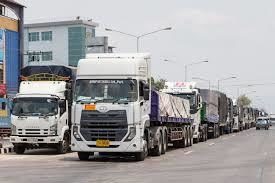
Truck drivers across the country abandoned their trucks causing major traffic delays.
BusinessLive has reported that about 1,500 truck drivers abandoned their trucks across the country on Tuesday to protest against the employment of foreign drivers in the road freight and logistics industry.
Parts of the N1 in Cape Town were closed and motorists were diverted to alternative routes while according to various news reports two trucks were set alight on the N1 near Stellenbosch.
The drivers, according to Truckers Association of SA president Mary Phadi, who is quoted in the piece, claim that employers pay them lower wages than foreigners. Mary also said that there was a court interdict against the drivers as the strike was only meant to happen on Monday.
The BusinessLive article states that there has been long-standing tension between foreign and SA truck drivers, with the latter accusing the former of “stealing their jobs”.
It reads: “Last year, scores of foreign national truck drivers were attacked and their trucks torched on the busy N3 and N2 roads. The violence led to an interministerial delegation meeting truck owners and drivers in June 2019. No resolution has been found between the aggrieved parties.”














