
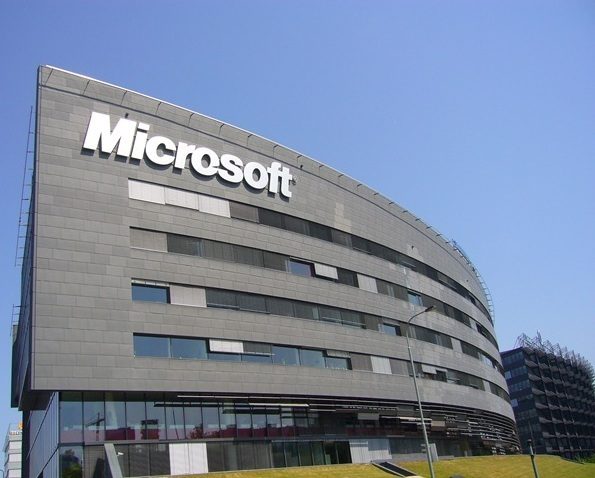
The technology giant has set a target of 25 million people who will be able to acquire digital skills.
Microsoft on Tuesday announced a new global skills initiative aimed at bringing more digital skills to 25 million people worldwide by the end of the year. Microsoft will be supporting the initiative with $20 million (about R344 million) in cash grants to help nonprofit organisations worldwide assist the people who need it most. One-quarter of this total will be provided in cash grants to community-based nonprofit organisations that are led by and serve communities of colour within the U.S. in particular.
The announcement comes in response to the global economic crisis caused by the Covid-19 pandemic. Expanded access to digital skills is an important step in accelerating economic recovery, especially for the people hardest hit by job losses.
This initiative includes immediate steps for helping those looking to reskill and pursue an in-demand job and brings together every part of the company, combining existing and new resources from LinkedIn, GitHub and Microsoft.
Among the variety of benefits that will be made available to talent across the world is the use of data to identify in-demand jobs and the skills needed to fill them. Microsoft will also provide free access to learning paths and content to help people develop the skills these positions require, as well as low-cost certifications and free job-seeking tools to help people who develop these skills pursue new jobs.
“These resources can all be accessed at a central location, opportunity.linkedin.com, and will be broadly available online in four languages: English, French, German and Spanish,” said Microsoft in a statement.
Microsoft has also pledged to make stronger data and analytics - including data from the LinkedIn Economic Graph - available to governments around the world so they can better assess local economic needs.