
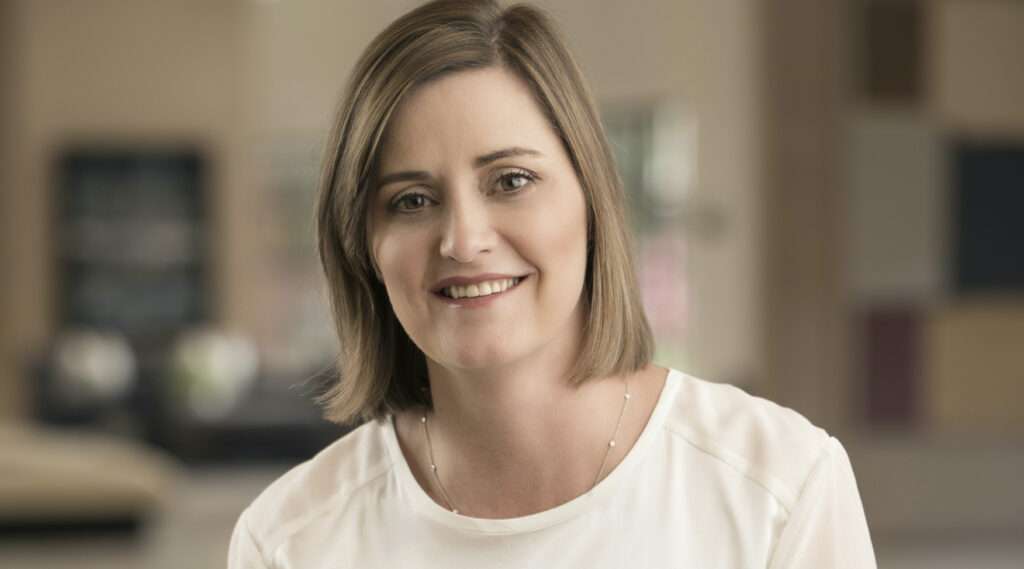
Michaela says there are very real benefits to the physical office that simply cannot be overlooked.
Almost nine out of 10 leaders (88 percent) at large enterprises in South Africa expect to adopt a more hybrid way of working permanently. This is according to Microsoft's newly launched Work Reworked research conducted together with Boston Consulting Group, KRC Research and Dr Michael Parke of the Wharton School. The findings show that on average, employees would like to spend 58 percent of their time in a traditional office setting. In fact, employees see time spent in the office as a powerful way to maintain bonds with their colleagues.
While the allure of working from home, with its newfound freedom and flexibility is appealing to employees, there are drawbacks to having an entire team working remotely, and there are very real benefits to the physical office that cannot be overlooked. “When people are physically together five days a week, it’s easy to bond – whether it’s sharing a joke at the watercooler, having a casual team lunch, or hunkering down together to meet a deadline. In an office setting, it’s also easy for senior staff to ‘walk the halls’ and talk with employees in a more informal way. All of these seemingly little things add up and have a big impact on the health of a business and team culture,” says Colin Erasmus, Modern Workplace Business Group Lead at Microsoft South Africa.
For Michaela Voller, the CHRO at Dimension Data the pandemic has shown just how adaptable to change employees can be. She describes the switch to remote working as being seamless – largely because of Dimension Data’s capabilities as a tech company. While productivity remained high, for many colleagues the blurred boundaries between home and work made the pace ‘quite relentless’. Dimension Data now has a 60 percent work from home and 40 percent work from the office split.
“We encourage team members to come in deliberately to fulfil a purpose – to come together when innovation and creativity are required. For many employees, coming back was a disappointing experience as our offices were sparsely populated. We know that the workspace has shifted and will never go back to how it was before,” comments Michaela.
Michaela sees a long-term future for offices but that they will fulfil a new function. From a practical space perspective, she envisions more workshop and training facilities and less individual cubicle and individual office space. “Having an office also enables that sense of belonging to a company and culture. Many South Africans live with two or three generations under one roof. Being able to come to an office offers a sense of relief to many employees,” she adds.
From a pragmatic point of view, Michaela found that employees were desperate for policy and guidance from human resources. The company also ran a campaign to educate employees about managing cybersecurity risks while working from home. From a softer side, the focus was on connecting people to the broader culture. Dimension Data has rolled out a communications platform to assist staff to take care better care of their mental and physical wellbeing. This includes being able to log in for an online gym session or arrange a virtual lunch get together.
Globally Dimension Data is incorporating remote working into its recruitment strategy. Michaela often finds her South African colleagues are poached by overseas Dimension Data offices. They don’t emigrate, but rather work remotely. “It is so wonderful to see that our local talent is in demand. Promoting South African talent to the rest of the world could be one solution to our huge youth unemployment problem,” she adds.