

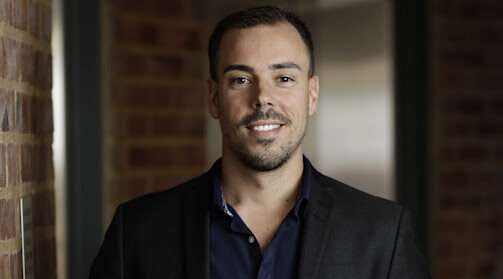
Ozow has recognised the true value that diversity brings, says CEO Thomas Pays Ozow has recognised the true value that diversity brings, says CEO Thomas Pays.
Diversity and inclusion are two of the biggest drivers for innovation. A study conducted by Forbes ranks them as critical components to ensure that companies are successful on a global scale.
According to Thomas Pays, CEO and co-founder of Ozow, while a lot of work is being done across every sector to drive transformation and greater equality in the workplace, the tech industry has placed this imperative front and centre in its growth strategies.
“For us to achieve this, tech companies have entrenched diversity and inclusion into their value systems and how they operate like businesses – across every department and level.”
Thomas says it is not about filling any quotas. “We’ve recognised the true value that diversity brings. Creating an inclusive and truly representative team of exceptional talent across our entire business has been instrumental to our success.”
In strengthening its commitment to transformation, Ozow has appointed two female powerhouses to its board – Rutendo Hlatshwayo, chief legal officer, Oriel Pays, chief people officer.
“Female representation is important. What matters more, however, is that we’ve worked hard to provide substance, and provide a diversity of thought that will only bolster our already strong board,” says Rutendo.
“Technology doesn’t see race, age or gender, but rather capability,” adds Oriel. “What’s great about this is that there are no limitations on where the best talent may come from. This has created a more level playing field and has allowed incredibly talented women to become captains of industry.
“We need to ensure young girls have strong role models of other successful women in the science, technology, engineering, and mathematics (STEM) sector,” she says. “Whether on a board, at C-suite level, or even leading a team that drives innovation, more needs to be done to drive the transformation needed.”.