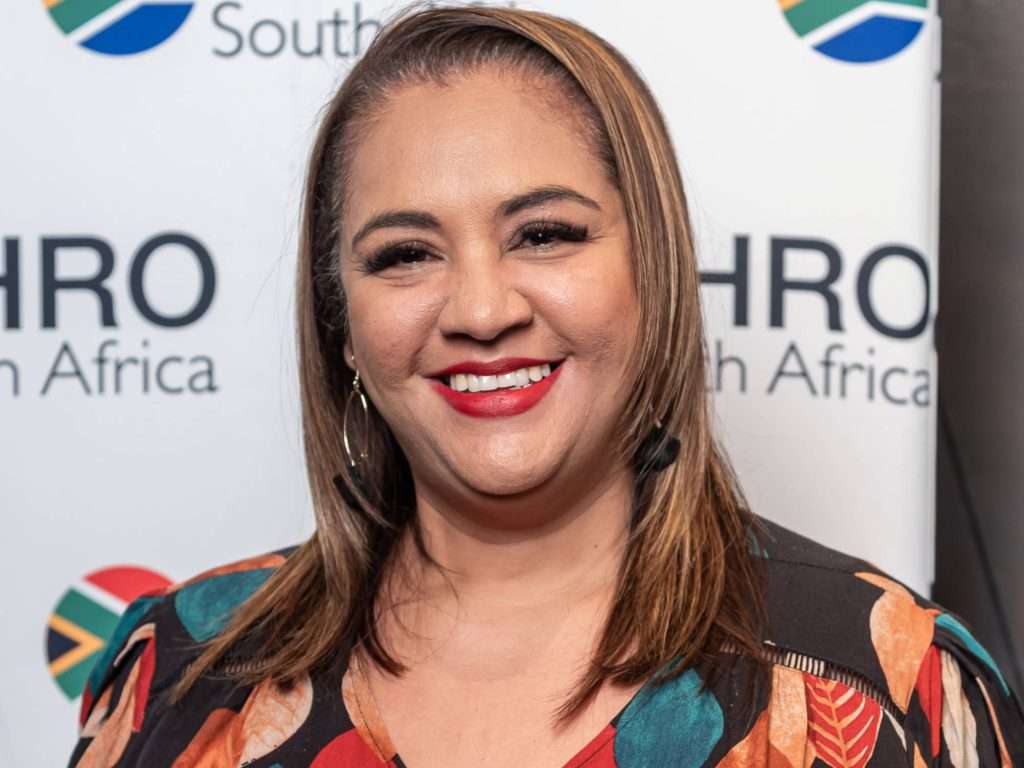
There should never be an “us and them” in an organisation, according to Bianca Anthon, HR director at Illovo Sugar South Africa. She believes that whether employees work in the field, a factory, a laboratory or a corporate office, they are all part of the same value chain and contribute to a common purpose.
Speaking to CHRO South Africa, she shares why bridging these different worlds is essential to creating one cohesive organisational culture and how HR can help make it happen.
Sweeter together
“Bridging that gap requires more than communication campaigns. It requires leaders to genuinely understand the lived experience of people across the organisation. HR has a role in being a coach and critical friend to these leaders. Creating opportunities for connection, listening to different perspectives and ensuring that our people practices work for the whole organisation, not just the easiest parts of it to reach,” Bianca explains.
“One of the most powerful things we can do is help people understand the contribution they make to the bigger picture. And our employees want this. The person working in a field may not sit in a boardroom, but their work is fundamental to the product that ultimately reaches a customer. The same is true of the person in a factory, a laboratory or a support function. When people can see how their contribution connects to the whole, organisational boundaries become less important,” she adds.
She believes the journey from individual contribution to collective culture is played out in the everyday moments that bring people together.
"Ultimately, culture is not created by HR. It is created through thousands of everyday interactions between leaders, colleagues and teams. Our role is to help ensure those interactions consistently reinforce belonging, respect, accountability and shared purpose. That's how you move from silo’s to one organisation."
The roots of belonging
There is a lot more binding Illovo's people together than a shared workplace. Their connection is also rooted in an industry that has shaped communities for generations.
“The South African sugar industry has a remarkable heritage. It is an industry deeply woven into the economic and social fabric of many rural communities. What stands out to me is its resilience. The industry has navigated economic cycles, changing market dynamics, climate and environmental pressures, transformation and significant shifts in the operating landscape. Yet it continues to create livelihoods, support communities and contribute to the economy,” says Bianca.
“I see that resilience very clearly in Illovo's people. There is a strong sense of pride and belonging among many of our employees, particularly those whose families have had long-standing connections to the industry. There is a history here that matters.”
But preserving that history does not mean keeping everything as it was, as Bianca sees the next chapter of the industry's story as an opportunity to build on its foundations while embracing the changes needed to remain competitive and sustainable.
“I believe that respecting heritage doesn't mean standing still. The responsibility of our generation is to take what is valuable from the past and build something sustainable that can last into the future. That means embracing technology, being willing to constantly learn and develop new capabilities, strengthening leadership, becoming more agile and ensuring that our organisation remains competitive and sustainable.”
“For me, the most meaningful way to honour the industry's heritage is not simply to preserve it. It is to ensure that there is a future worthy of that heritage for the generations after us.”