
Ultimately, it's about driving business performance through inclusion.
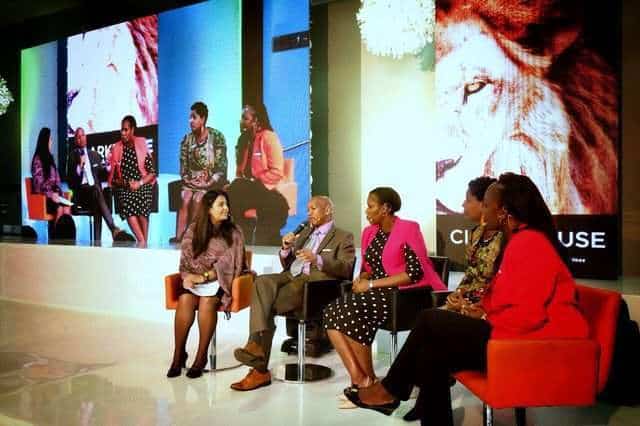
Diversity is about more than what an organisation looks like on the surface. It is about being able to bring different views and contexts into an organisation in order to get a well-rounded pool of ideas and contributions. But many companies are still focussing on the demographic aspect of diversity. This was the theme at the first panel discussion of the Clarkhouse Human Capital’s Diversity Day 2017 conference, held on 5 October of Langhams Conference Centre in Johannesburg.
Njabulo Mashigo, HR director at Heineken South Africa, said it was unfortunate that, in South Africa, diversity is still often reduced to a conversation about race and gender equality.
Moderated by Sneha Shah, the managing director of Thompson Reuters Africa, the panellists agreed that, in order to get passed the superficial understanding of diversity, company leaders have to be honest with themselves about the things that are preventing them from achieving excellence through diversity. They have to acknowledge their own biases, for example, and speak up when they have a colleague who may have biases that are detrimental to the organisation.
“It means we have to be able to speak to our colleagues when we notice, for example, that their teams are predominantly made up of white males, or whatever the case may be,” said Lebogang Chaka, business advisor and global speaker.
Another challenge that companies face is that sometimes the barriers to diversity that are forced upon them based on their geographical locations. Oyejoke Coker, CEO of Lead Coach of Constellation Coaching Group, said that in Nigeria, for example, there is a law against homosexuality whereby anybody that is found to be gay can be sentenced to 14 years in prison.
Vuyo Dunjwa, Executive Chairman of the Board at the Sub-Saharan Africa Chamber of Commerce, said that the leadership of an organisation has to lead from the front because, if they are inclusive, it will filter down throughout the culture of the organisation.