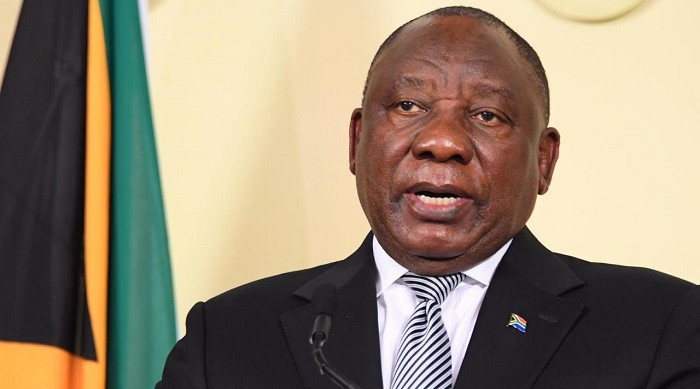
According to President Cyril Ramaphosa, most of the jobs created went to previously unemployed youth.
In his weekly newsletter, the president said the employment stimulus launched in October last year in response to the economic impact of the Covid-19 pandemic has helped create 8,000 jobs.
The stimulus is designed to support a wide range of opportunities, focusing on job creation through public employment, job retention, support to livelihood improvements, and fast-tracking high impact employment enablers.
President Ramaphosa said one condition for accessing the incentive is that a proportion of new jobs must be sourced through inclusive hiring and must go to marginalised youth.
One business sector that has been particularly successful in job creation is the business process outsourcing sector. Two years ago, the government introduced the Global Business Services Incentive, to encourage investment and support job creation in the sector.
Last week, South Africa was ranked first in the world as a destination for global business services outsourcing.
Read more: https://chro.co.za/articles/sa-wins-most-favoured-offshore-cx-delivery-location-award-for-2021/.
“The incentive has been successful in reducing costs and attracting new investors to South Africa,” the president said.
Led by the Department of Trade, Industry and Competition, the government has worked closely with Business Process Enabling South Africa, the industry association, to market South Africa as a destination for investment.
“The industry association has committed to use SAYouth.mobi, a platform for young people to access a range of opportunities, as a tool to recruit young people into these jobs. The platform forms part of the Presidential Youth Employment Intervention,” said the president.
He added that this success proves that by actively searching for areas of opportunity, setting clear national goals, working collaboratively with industry associations and social partners, and putting the right conditions in place for growth, new potential can be unlocked, and jobs created for young people in particular.