
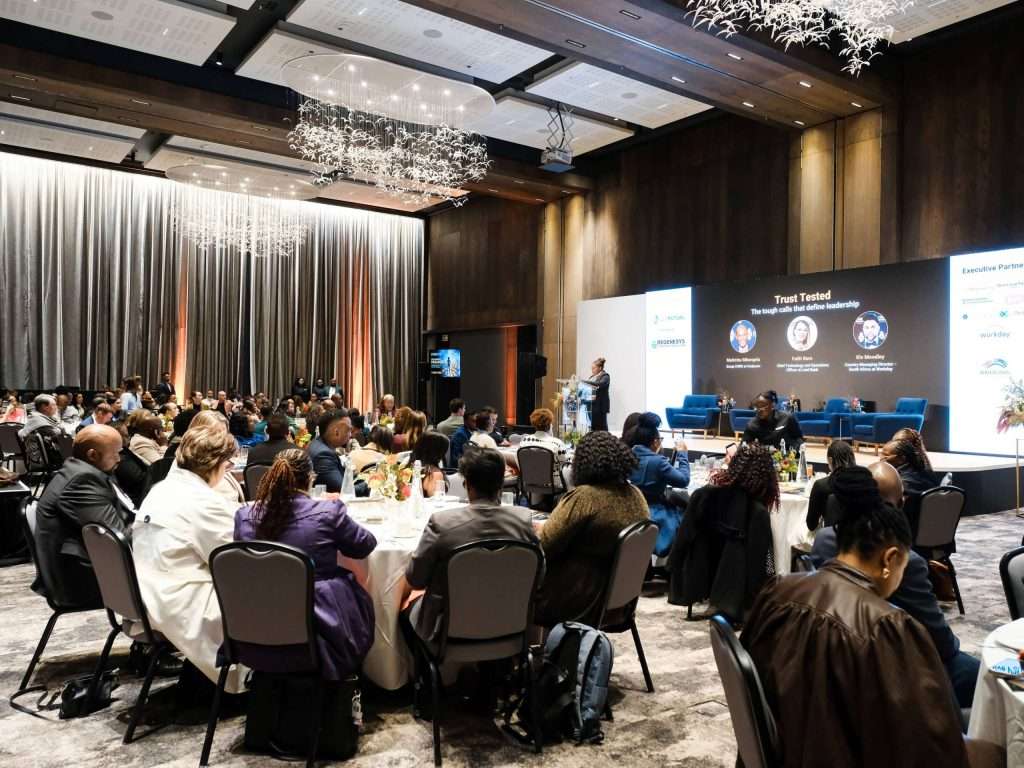
Addressing a room of nearly 200 of South Africa’s leading HR executives during the opening panel of the 2026 CHRO Day, Matimba Mbungela, group CHRO at Vodacom, shared insights on the tough calls that define leadership.
“People are often trained to deal with challenges by looking from the outside in. When you are dealing with business challenges, you almost go into hunter mode. You focus on the outcome you need to achieve and you work towards it, even when it’s difficult,” Matimba shared, as the day unfolded at the Marriott Melrose Arch.
“But, I think the hardest situations are when it’s at home, within your own team. Those are people you’ve been in the trenches with, worked together closely, solved problems together and built relationships with over time. That’s what makes it difficult,” he added.
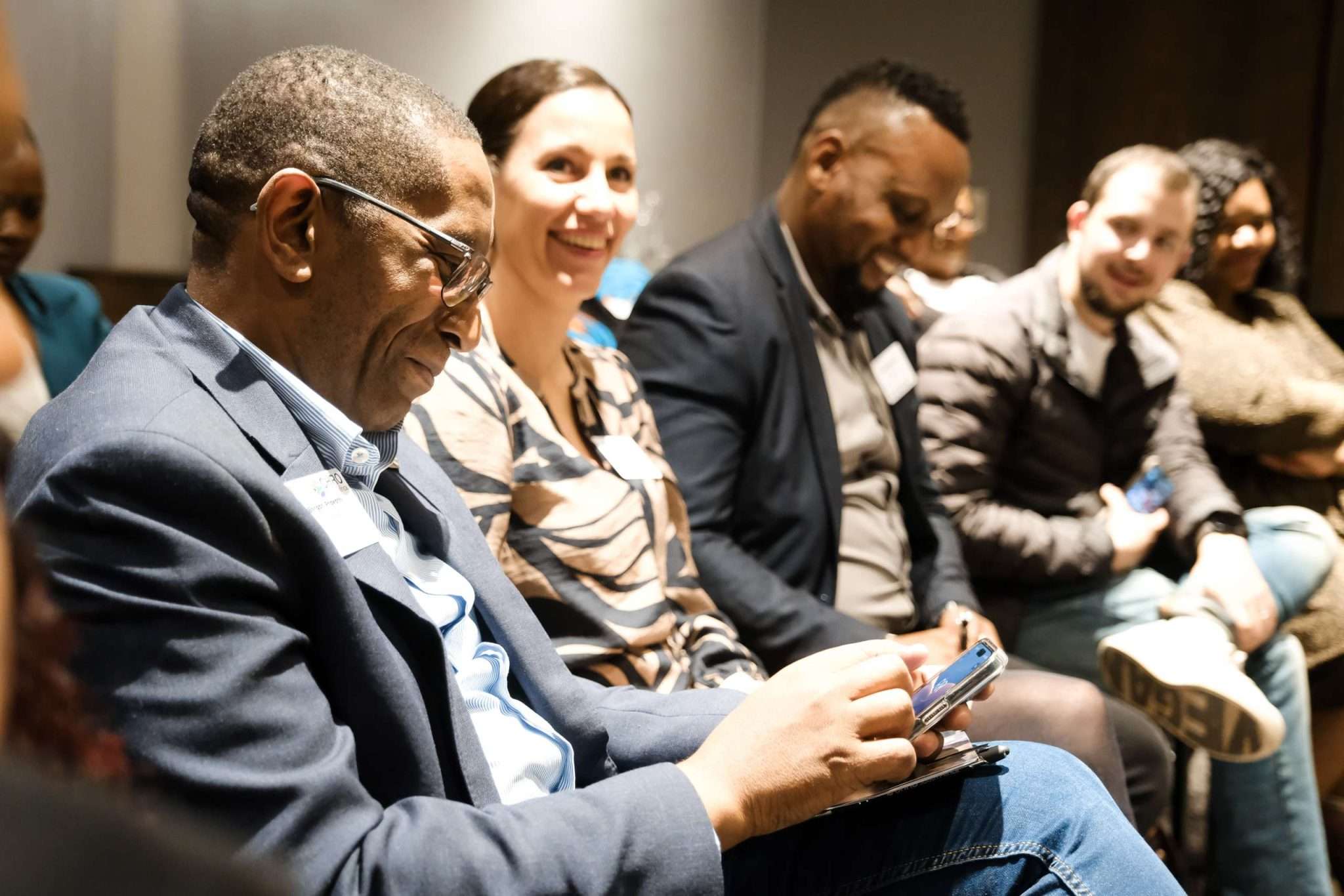
The event, themed The Leadership Paradox, kicked off with speed networking for HR executives to build real connections. HR executives then split across four separate rooms, to explore what leadership paradox will define the next era of HR.
Competing priorities
In one room, Colin Smith, HR executive at Northam Platinum, joined by Goodness Stankovic, head of people for Discovery Central Services at Discovery, explored the importance of keeping the realities of the workplace balanced.
“For me, a paradox is a situation that doesn’t have one clear solution, but two competing issues,” said Colin. “As HR leaders, we’ve learnt a lot about leadership over the years, what good leadership looks like and what doesn’t. Organisations have invested heavily in leadership development and concepts like empathy and psychological safety. Those things are important, but not enough alone. Organisations also need strong systems, structures and architecture and HR needs to help build those systems.”
This sentiment was echoed in parallel sessions by the likes of Dr Nceba Ndzwayiba, group HR director at Netcare; Norah Sehunoe, executive head of HR at Santam; Lindiwe Miyambu, CPO at Afrocentric; Brenda Talazo, vice president & head of HR & business enablement at Saab; Lerato Morathi, human capital executive at Alex Forbes; Rohini Singh, MP at Regenesys Business School and S'ongoba Vuba, chief partnerships officer at Old Mutual Corporate.
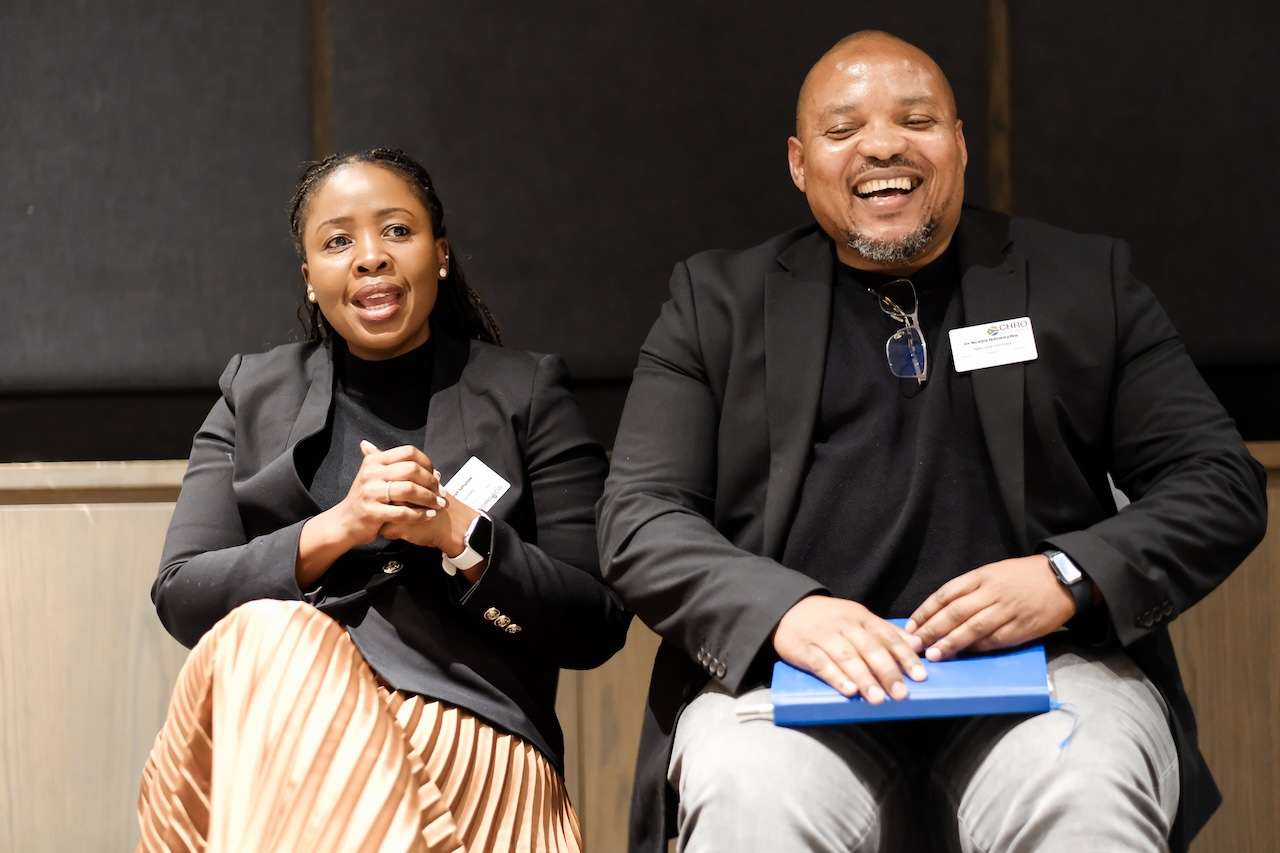
In the afternoon, another four breakaway sessions took place and the conversation in one of the rooms explored the courage gap and point where HR knows what needs to change, but the organisation remains stagnant. In her session Nolo Thobejane, chief people, culture and purpose officer at YUM!, identified a systemic flaw in how executive performance is viewed.
“Too often, we think in terms of transitional leadership. Leaders come and go, and the focus becomes, how do we win right now while we are still at the organisation, instead of thinking about what the organisation will need beyond that,” said Nolo. “So the way we structure alignment in the boardroom, how we structure KPIs, and how we think about talent really matters.”
Pressure points of leadership
Meanwhile, Dr Sane Ngidi, executive head of people at Imagine Worldwide and Avanthi Maharaj, head of HR - Africa at Google, focused on technology in their session, exploring if algorithms will replace leadership judgement or make it more important than ever.
“As we continue building products, services and tools for Africa, we need to create things that are relevant for us on the continent because what works in the US may not necessarily work for Africans on the ground,” said Avanthi.
“For example, one of the biases we’ve noticed is around recruitment systems. Candidates who use local languages in their CVs sometimes get filtered out because they don’t fit what global systems recognise as the standard, then we turn around and say there is no talent on the continent. Until we move away from the mindset that Africa lacks talent, products or relevance, we are going to keep limiting ourselves,” she added.
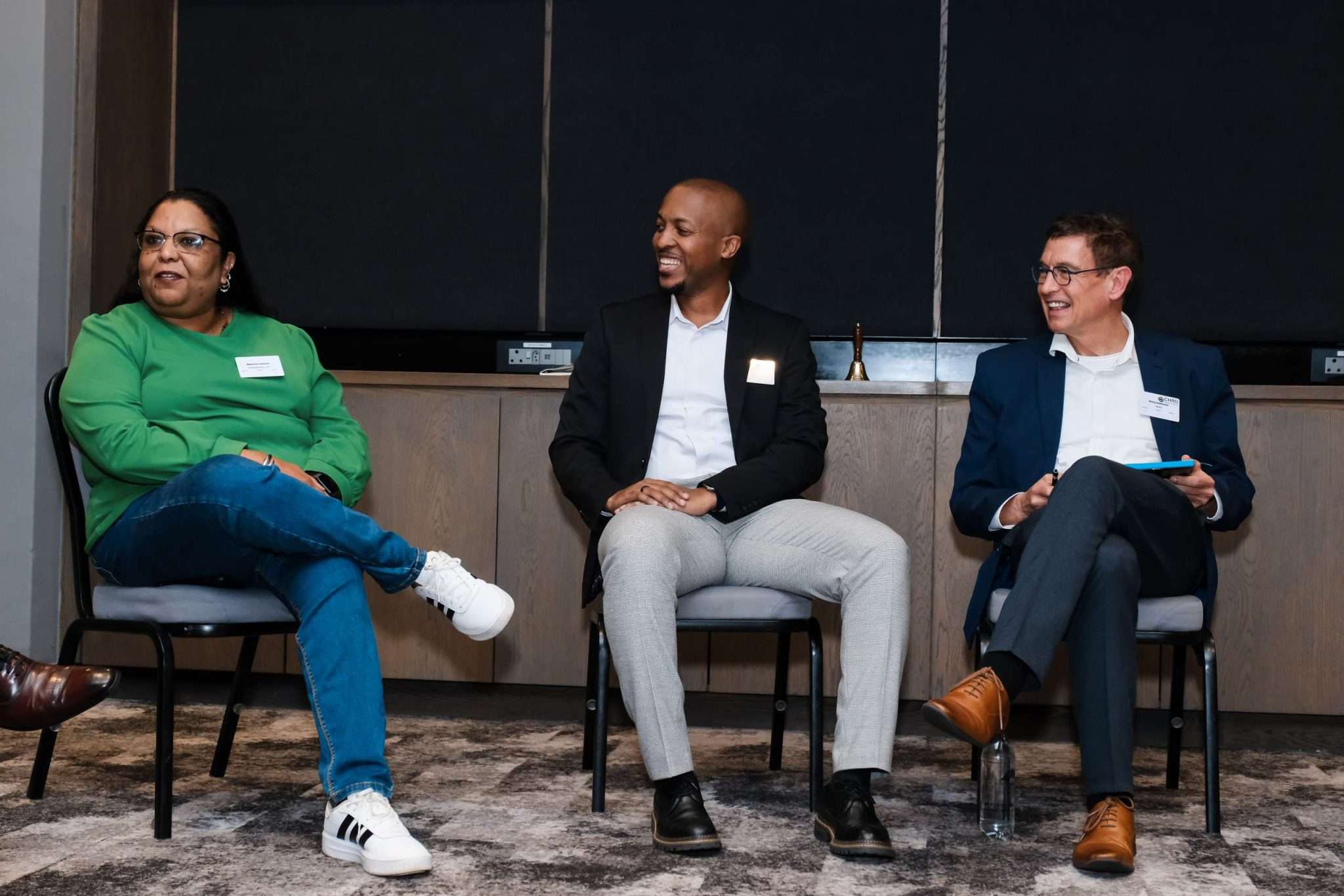
It was a conversation about culture under pressure in another session with Joseph Rock, CPPO at Exxaro, and Reabetswe Motshegare, HR director for sub-Saharan Africa at Scatec ASA, as they discussed what happens when business survival clashes with company values.
A session featuring Nomfundo Vilakazi, people & culture director at Dis-Chem, in another room concluded with the reality that retention is getting harder even as investment in people increases.
“As leaders, there has to be a point where we are not just operating as individuals, but having conversations about how leadership decisions affect the entire system, because things can become very toxic very quickly,” she said. “So in an environment where budgets are constrained, but performance expectations are high, you need to make it work, and that starts with organisational architecture. It starts with how you design roles and how you structure the system.”
After feeding the mind, there was time for HR executives to also feed their appetite, as the day closed with drinks and networking opportunities with some of the sharpest people in the industry.
The 2026 CHRO Day was made possible by principal partners Old Mutual Corporate and Regenesys; executive partners Deel Local Payroll, powered by PaySpace, Discovery, GIBS, Jem, JOBJACK, LRMG, and Workday, and associate partner, Bridging & Associates.
Click here to see visuals from the 2026 CHRO Day and get a glimpse of the engaging conversations, and memorable moments.