
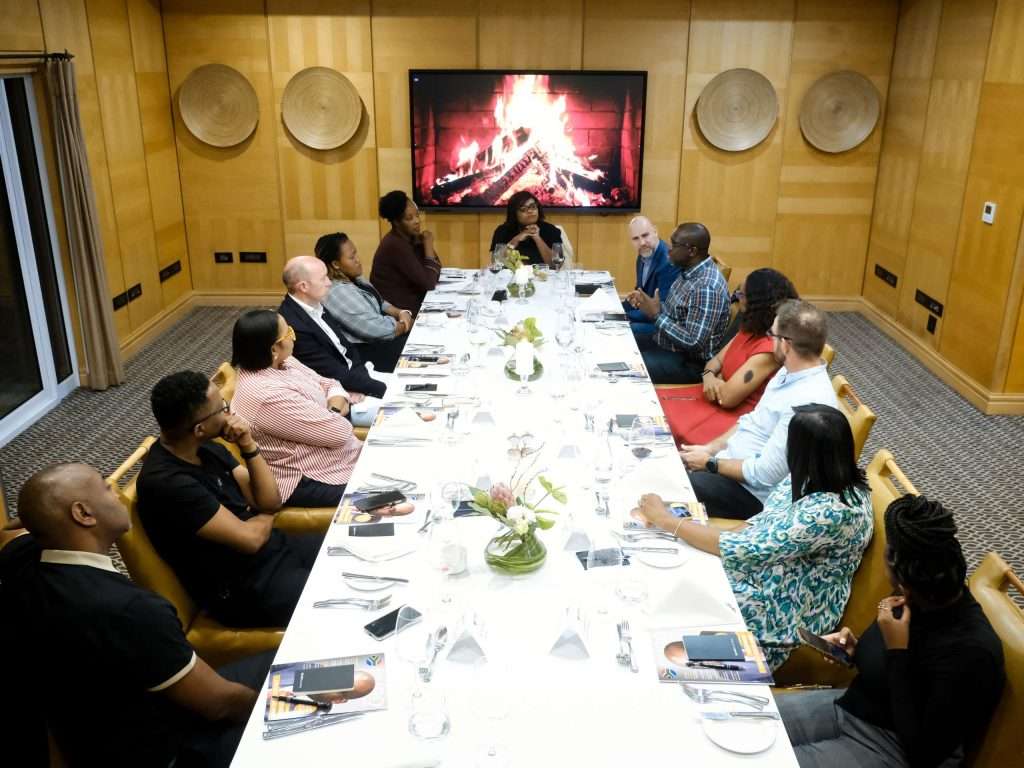
Top HR leaders gathered on 13 March, for a thought-provoking discussion over an exclusive dinner on the country’s digital skills shortage, at the elegant Saxon Hotel.
Hosted by CHRO South Africa in partnership with LinkedIn, the exclusive event brought together C-suite executives for an evening of fine dining, engaging dialogue, and shared ambition.
As the evening unfolded, the room filled with anticipation, a blend of the hotel's refined ambiance, and the shared urgency to tackle a pressing challenge regarding the country's digital skills shortage.
To break the ice, attendees were asked a thought-provoking question: "If you had one superpower, what would it be?" Unsurprisingly, many responses reflected the strategic minds in the room, as they aligned their answers with their professional realities.
"I’d love to read minds," one attendee shared. "Imagine being able to instantly understand what the people I’m pitching to are thinking and adjust my approach in real time."
Another wished to be a “calculator,” “not a digital one, but a calculator of situations”, he clarified, saying, “I want the ability to instantly determine if I put this and that together, will it work together successfully or not."

Other responses leaned into creativity and curiosity. “I’d love to teleport,” one attendee said, while another said, “I want to be able to understand and speak to animals.”
Perhaps most fitting for the evening’s theme, one leader wished for “the ability to heal, both physically and emotionally,” highlighting the human-centric nature of HR.
With the energy in the room set, the evening seamlessly transitioned into a conversation about the digital skills gap and the disconnect between education and industry needs, highlighting the struggles of both recent graduates and long-term employees in adapting to a digitally evolving workplace.
"I've always found it interesting looking at transition processes and how data drives decision-making. What stood out to me was how much space there is to use technology to help practitioners focus on strategic topics instead of day-to-day administrative tasks. Things that used to take 20 days can now be done in a short period, but we need to equip people with the right tools to adapt," one CHRO explained.
Another concern noted is often a gap between what universities teach and the digital tools businesses use daily. “There should be a stronger conversation between corporates and educational institutions. Yes, we appreciate the theoretical knowledge, but how do we ensure that students get practical exposure before they graduate? But also, how do we help those already at work so they can open our minds that the tools are not here to take away from us but to enhance our experience of what work should be?”
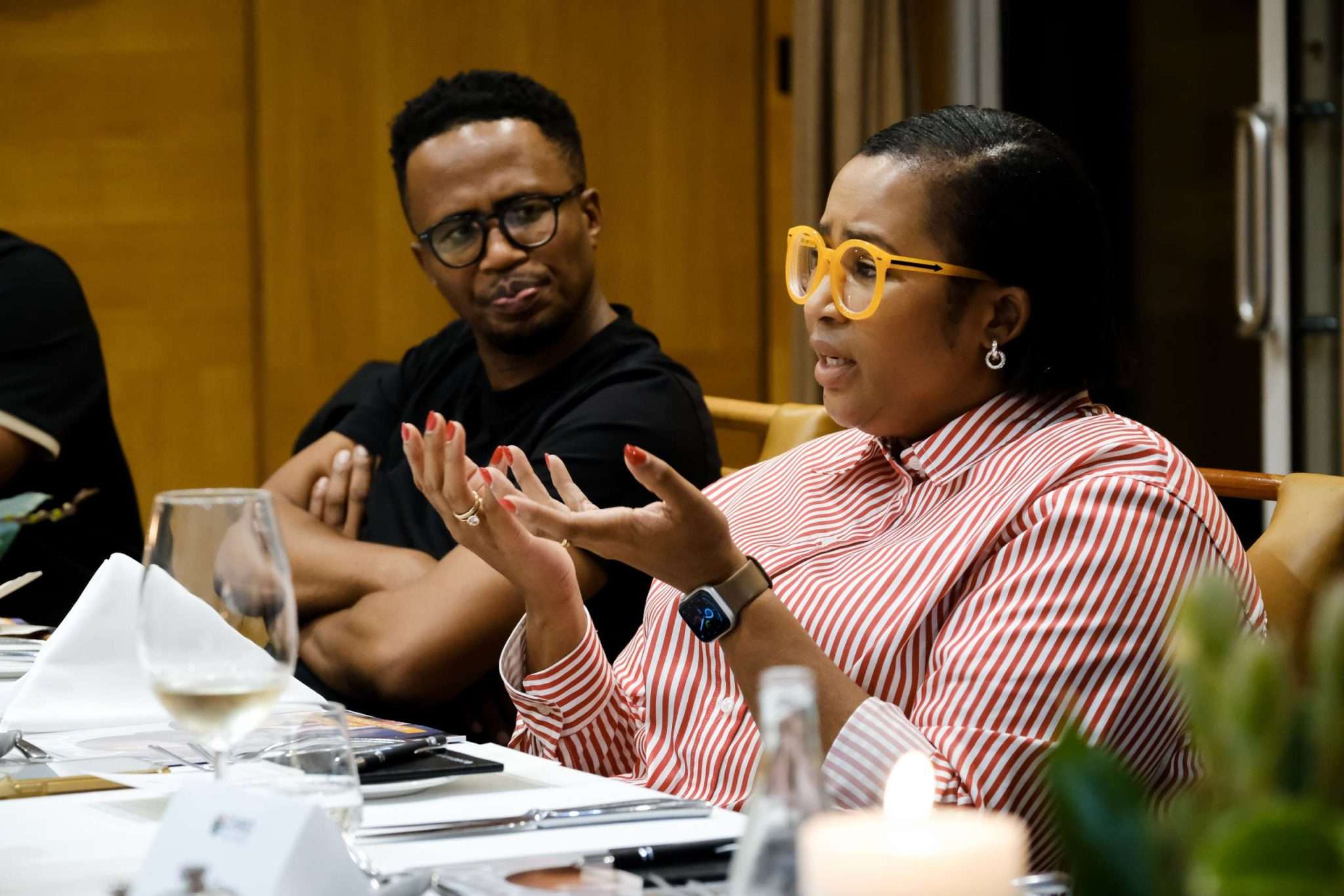
“There is a lack of line-of-sight between the skills required by employers and what is being taught in schools," another leader confirmed. "In the past, it was common knowledge that if you didn’t have basic computer skills and a driver’s licence, you wouldn’t get a job. But then you enter the workforce, and no employer asks for your driver’s licence. So there needs to be clearer guidance on what core digital and technical skills are needed and understanding which digital skills are essential for the workforce and aligning public and private sector initiatives accordingly.”
The dinner guests also believe that the digital divide is not just about access to technology but also about the willingness to embrace it. “We often encounter resistance from long-standing employees who are reluctant to change established processes.”
"You can bring in smart minds, but then there are still old-school leaders who throttle innovation. We had graduates shocked by the amount of paper-based processes in some departments. When they propose digital solutions, they’re met with scepticism," one leader observed.
“We implemented AI in our central reservations system three years ago. It listens to calls — even in vernacular languages — analyses common phrases, and suggests responses. For example, if a customer calls about booking a dinner for 30 people, the AI prompts the agent to offer relevant packages. It’s been a huge success for our revenue, but it also shows how digital tools can enhance rather than replace human workers,” shared an attendee.
Recognising this challenge, many attendees shared how they are now prioritising digital upskilling programmes.
“Our organisation is similar to others in that we have long-tenured employees who don’t leave, but we also have a young talent development programme. We bring in young engineers and commercial graduates who are hungry for opportunities and highly tech-savvy. However, many entry-level roles don’t expose them to technology, as only senior engineers and managers have access to these tools.”
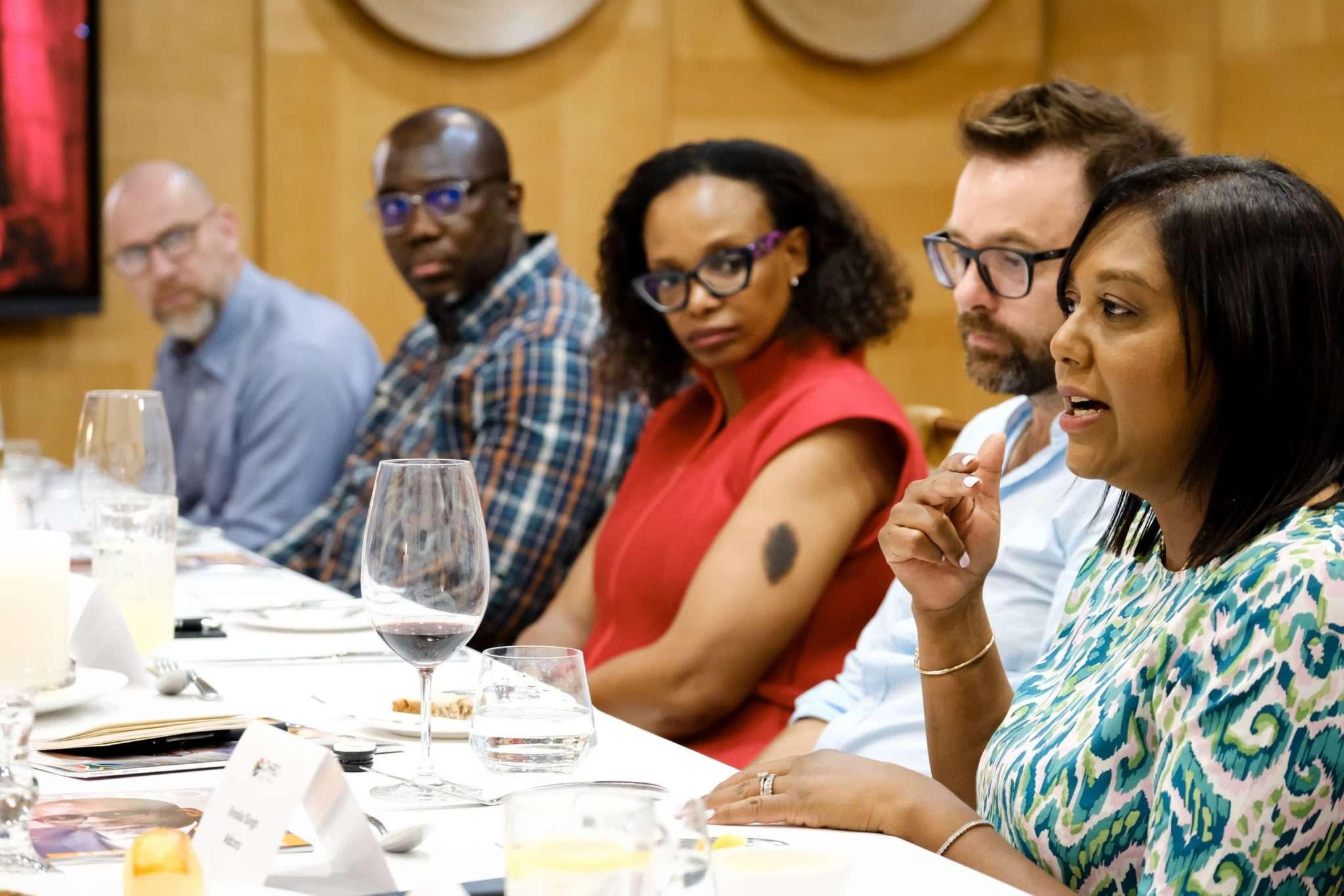
The key, they argue, is creating meaningful career pathways. “We need to ask: can we provide a structured way for entry-level employees to gain exposure to AI and digital tools? Can we offer them certifications if they demonstrate competence? If someone joins our company today with no degree, can they transition into a role they love and grow in, with support from the company?”
“Is there not an opportunity for us to provide meaningful exposure to the entry-level, young tech-savvy to grow in the organisation and create pipelines?”
One attendee confirmed that they have successfully implemented such a model.
“We realised that our contact centre employees often come in with just a matric qualification. So we asked ourselves: what are the future skills we need, and how can we invest in meaningful training beyond just typing and Excel? We launched a programme where we send 100 employees per year to various institutions, including LinkedIn Learning, to gain relevant certifications. The results have been incredible over the past 24 months, as most of our vacancies have been filled internally by employees who started with no formal skills but grew through the programme.”

Meanwhile, another CHRO pointed out, “A shift in mindset is needed to foster innovation and inclusivity in both private and public sectors. There is immense untapped talent, particularly in rural areas, that must be nurtured. The world of work has become boundaryless. We’re not only competing with the skill set locally; we compete globally. So if organisations do not offer competitive opportunities, skilled individuals will continue seeking roles outside of the country, and we’re not going to attract the good talent as well."
As one CHRO put it, "If we truly want to close the digital skills gap, we need to start early. Aligning education with industry needs, creating transition programmes, and ensuring continuous upskilling within organisations will be crucial. The tools are here not to replace us, but to enhance our work."
Concluding the evening, the dinner attendees agreed that while there is still much work to be done, there is also significant hope and opportunity. They acknowledged the ongoing challenges in skills development, unemployment, and economic growth but stressed that meaningful change starts at the grassroots level.
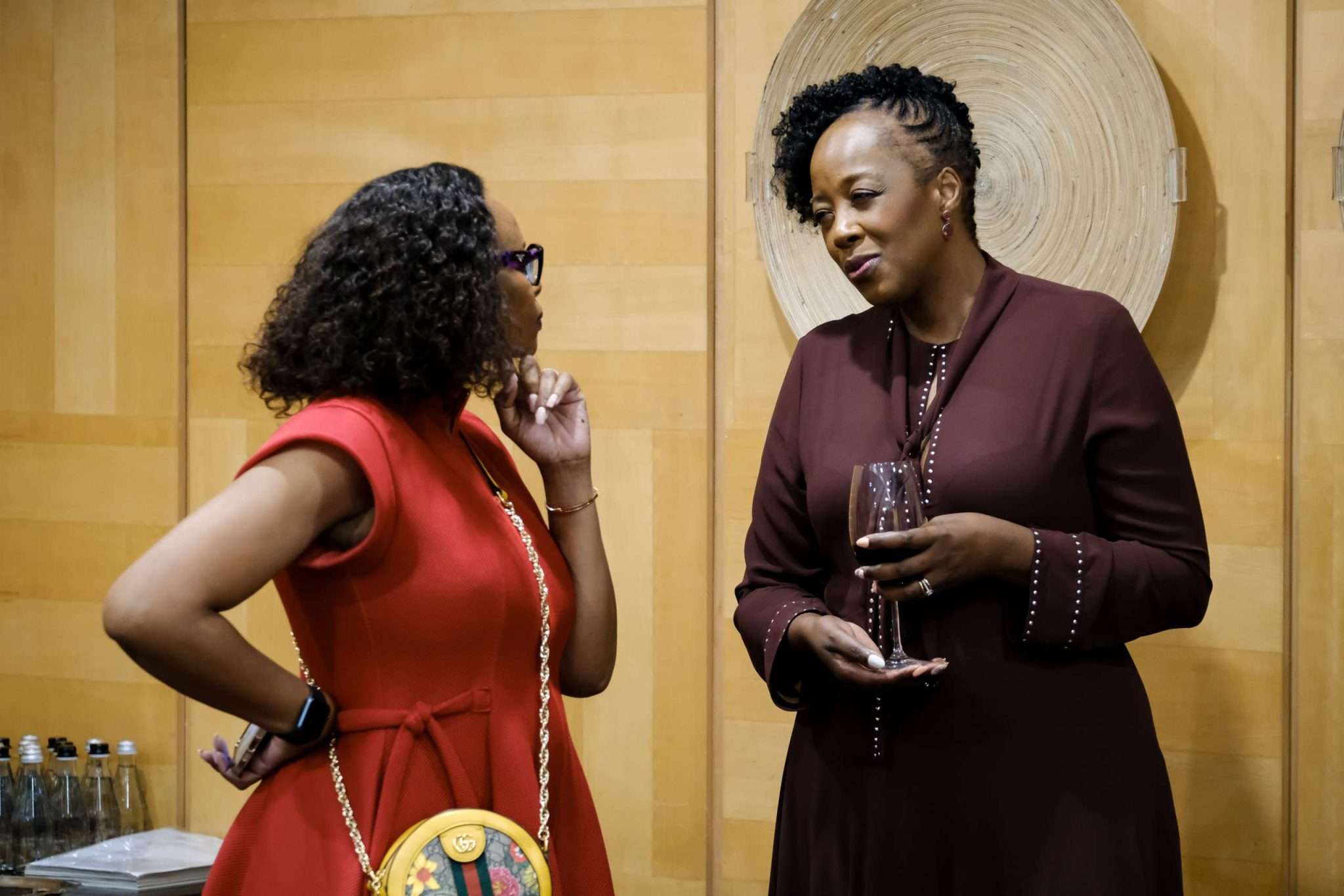
Those in attendance:
Ayanda Mbanga, CEO, Ayanda Mbanga Communications
John Skelton, CPO, The Capital Hotels and Apartments
Kgaogelo Letsebe, community manager, CHRO South Africa
Lindiwe Miyambu, CPO, Auditor-General South Africa
Mahlogonolo Masenya, head of HR, Makwa IT
Martijn Vermolen, senior account director, LinkedIn
Phil Tshikotshi, vice president: human resources, Startek
Seamus Clancy, senior account director, LinkedIn
Sibonakaliso Shabangu, CHRO, BASF SA
Sinazo Mboye, head of HR, Krones
Sphumelele Khumalo, senior writer, CHRO South Africa
Unathi Sihlahla, HR executive, Rand Refinery
Vinolia Singh, CPO, Adcorp