


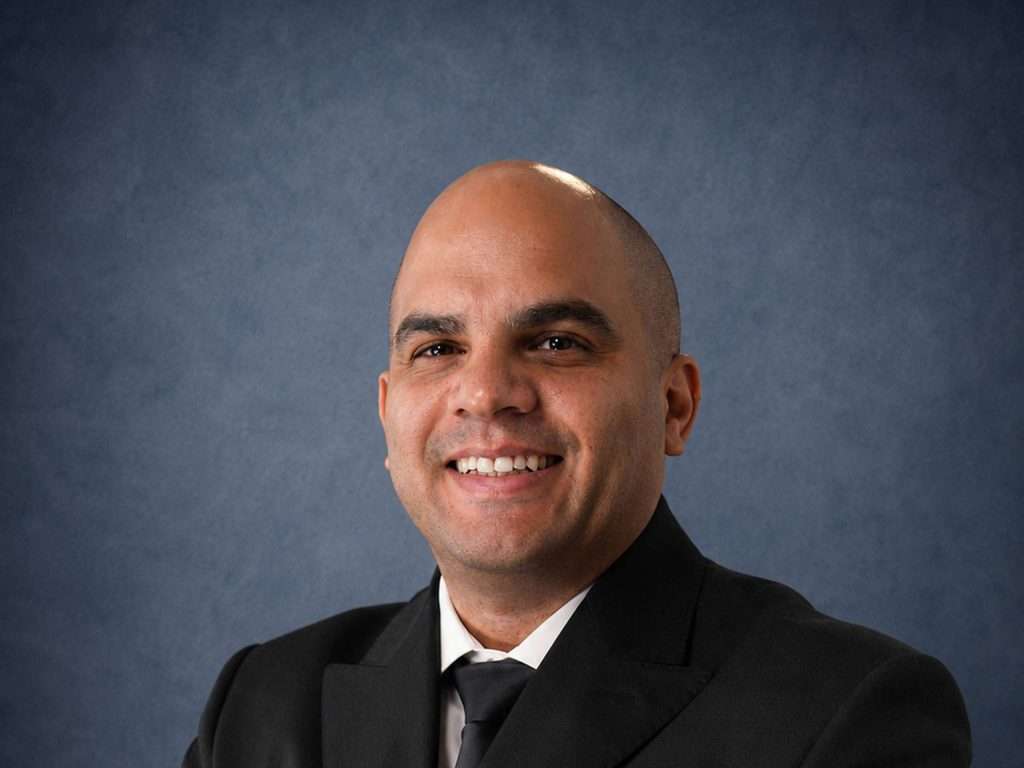
Matthew Randall, recently promoted to head of HR for South Africa and sub-Saharan Africa at Haleon, has a soft spot for creating peace and seeing people grow into their potential. It is a passion he carries from the workplace to the football field, where he volunteers as a youth coach in Durban.
With his remit now extending across a region he believes is brimming with possibility, Matthew brings a passion for developing people and a conviction that Africa’s greatest asset is its people.
Speaking to CHRO South Africa, he reflects on why peace at work matters, what it takes to develop people and the potential he sees across Africa.
Q: What does taking on responsibility for both South Africa and Sub-Saharan Africa mean to you personally and professionally, and what excites you most about the opportunity?
For me, it is about having the opportunity to create greater impact. It is a real honour to be entrusted with such an important agenda in a region that is strategically significant to our business.
Africa has enormous potential. The continent has a young and growing population, incredible talent and rapidly developing markets. I believe it has a significant role to play on the world stage, creating opportunities for businesses, communities and people alike.
What excites me most is the opportunity to contribute to that journey through our people agenda. Building an organisation that can unlock growth, develop talent and create opportunities for people, while staying true to our purpose of delivering better everyday health with humanity. For me, that is where the personal and professional opportunity really come together.
I genuinely believe Africa is on the rise. Whether you look at the talent, entrepreneurship, consumer growth or economic opportunity across the continent, there is enormous potential.
It is a privilege to be part of that journey and, in some small way, to contribute to creating greater dignity, opportunity and prosperity for people across the continent.
I find a great deal of purpose in that.
For those of us who have the opportunity to work across Africa, I hope we never lose sight of what a privilege that is. There is an incredible opportunity in front of us, not only to build successful businesses, but to help create opportunities for people and communities that can have a lasting impact.
Q: What have been your first priorities in the early days of your expanded role?
My first priority is ensuring we have an organisation that can support where the business is going. Growth ultimately comes from people, so we need the right capabilities, structures and leadership in place to execute successfully across a diverse range of markets.
As I step into this broader role, I want to balance moving with speed on the matters that are most critical to the business while taking the time to listen, learn and understand the different markets, our people and our leaders. Doing so will help ensure we make informed decisions, prioritise effectively and build sustainable solutions that support long-term success.
Q: Now that your remit has expanded, is there anything you intend to do differently, or are there parts of your leadership approach that you want to deliberately keep unchanged?
The principle I will not change is my belief that our people have to be at the heart of our strategy.
Creating an environment where people can thrive, bring their best selves to work, grow and feel that they are making a meaningful contribution will remain fundamental to how I lead, regardless of the market.
What does need to change is the scale at which I think about impact. In South Africa, I could often see the direct connection between an intervention and its outcome. With a broader, multi-market scope, I need to think differently about how we create that same impact across a much larger and more diverse set of contexts, while still remaining relevant to the needs of each market.
Q: Haleon is ultimately in the business of helping people live healthier lives. What are some of the things HR does to ensure that the organisation is also a place where its own people can do their healthiest, best work?
I could give the standard answer: people need to feel valued, have a sense of purpose, understand the mission and feel that they belong. All of those things are absolutely true.
But for me, there is something even more fundamental: people need to feel a sense of peace at work.
That may sound like a strange concept in a high-performance organisation. There will always be pressure, deadlines, ambiguity and a need to deliver exceptional things. I am not talking about creating a workplace without challenge or accountability.
By peace, I mean creating an environment where people feel psychologically safe, where there is trust, where they can speak openly, where they know they are respected and where they do not have to spend energy protecting themselves from the organisation or from one another.
When people have that foundation of trust and safety, they can focus their energy on doing great work. To me, that is an important part of creating an environment where our people can reach their full potential.
Q: What is one lesson about people that you have learned through your career that you think is particularly relevant to leading in the health sector?
Purpose and meaning matter.
People want to know that what they do matters, and I think that becomes particularly powerful in our industry. At Haleon, our purpose is to deliver better everyday health with humanity, and the connection between what we do and the lives of consumers is tangible.
Our products and solutions can genuinely improve people's everyday lives and help make health more accessible. That gives our people something meaningful to connect to.
As leaders, our role is to make that connection real, not simply put the purpose on a wall but help people understand how their roles contribute to it.
For me, the strength of our Win as One strategy comes from people feeling connected to a common goal and understanding the role they play in achieving it. When people see that connection, performance tends to follow.
Q: What are you most likely to be doing on a Saturday morning?
You will typically find me in the gym on a Saturday morning.
But if I am in Durban, there is a good chance I will either be surfing or coaching youth football as a volunteer.
Sport and community are particular passions of mine. I enjoy the energy and competitiveness of sport, but I also love what sport can do for people and communities, particularly young people. There is something very rewarding about being able to contribute, even in a small way, to developing the next generation.
Q: What’s one thing you make time for no matter how busy the HR work gets?
Time for reflection.
I try to create space to step away from the noise and think about the bigger picture: how I am showing up, how I am doing personally, whether we are making progress against the significant agenda in front of us, and what I could be doing differently as a leader.
I also reflect on how I can best serve the needs of the business and our leaders, while making sure that we continue to create the right environment for our people.
HR can become incredibly busy very quickly. Reflection gives me the opportunity to make sure that I am not simply responding to what is urgent, but remaining focused on what is important.














