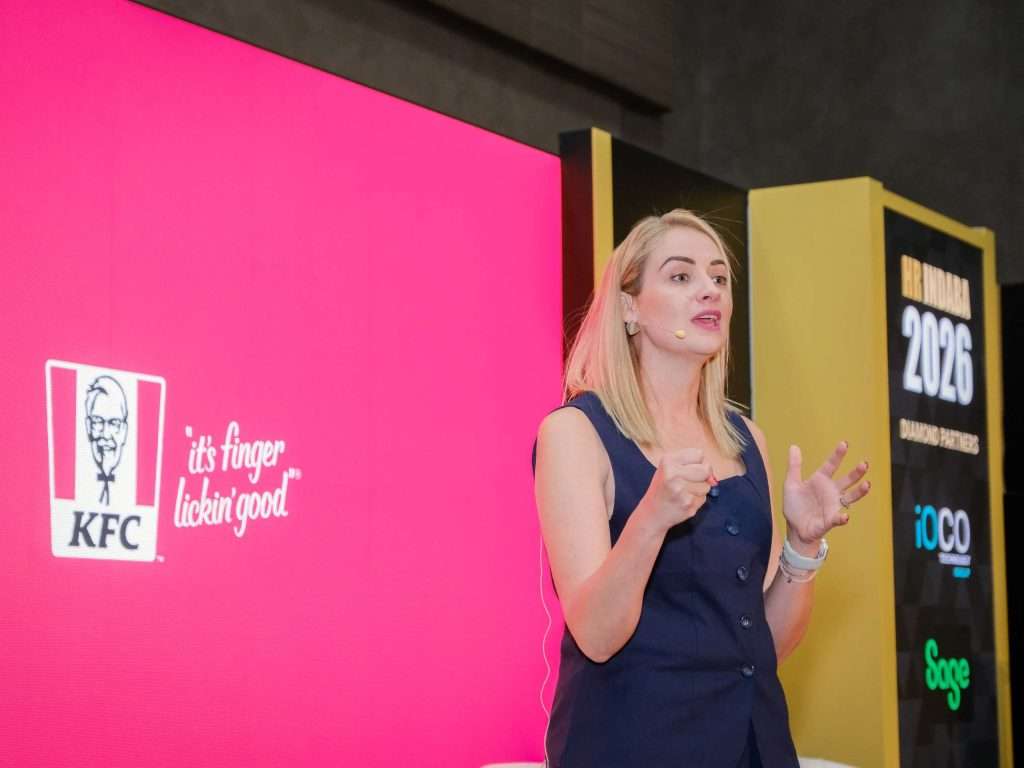
During a session called Radical Inclusion: How KFC Africa moved from regulatory compliance to real belonging at the 2026 HR Indaba, Andra Nel, people, culture and purpose director at KFC Africa explained how the organisation is embedding inclusion in the workplace culture, strengthening psychological safety, and bringing franchise partners along the journey.
Inclusion commitments are easy to write into policy and far harder to live out in the workplace. Andra Nel explained how the shift from regulatory compliance to real belonging began with an uncomfortable look around the table.
“At KFC, we recognised that diversity as a business capability and decided to invest in it. We made key strategic decisions to ensure people were comfortable bringing their authentic selves to the table. Radical inclusion meant creating a space where people’s voices were heard and respected. To make real inclusion a reality, we became curious about what lay beyond the surface. We introduced listen-and-learn sessions to challenge self-limiting beliefs and encourage people to realise their full potential,” she said.
Looking within
Andra traced the transformation to an honest assessment of the organisation’s own lack of diversity.
“When we looked around the table, we realised that we looked very different from the consumers we were serving. Our ideas were limited by the lack of diversity we were seeing among us,” she said.
To shift that, she explained that KFC Africa appointed an engagement council, adding that a key strategic decision was making sure people did not feel they had to leave parts of themselves at home.
“We believe culture is earned and not consumed. The council puts together a functional plan to address gaps in culture and to hold colleagues accountable, so that the sub-cultures often found in organisations do not take hold,” Andra said.
She linked inclusion and belonging to stronger team performance and improved workplace safety, saying that “psychological safety is truly experienced at our organisation, and that translates into operational safety. Staff are encouraged to have the courage to speak up.”
She was candid that the work is never finished.
“As we continue on this journey, we realise that radical inclusion has to be practical. It will never be done, but we have made significant progress through our various interventions and initiatives.”
Bringing franchise partners along
According to her, getting buy-in from franchise partners is key also to making inclusive practices stick across stores, where customers meet the brand.
“Their lived experience has to match the brand in stores, otherwise there is a disconnect. The reality is we take our partners on our journey. We show them the results, which helps with buy-in.”
Andra emphasised that a workplace culture that cannot be sustained also threatens the future of the business.
To support this, she added that KFC Africa runs an initiative called RGM circles, which aims to improve store leadership by connecting culture and values. She said the circles create a consistent culture of belonging, with store leaders learning from their peers and talking freely.
For Andra, the lesson is that inclusion cannot be treated as a compliance exercise, but has to show up in who sits at the table, how people are heard, and how consistently the brand’s values are experienced at head office and in stores alike.