


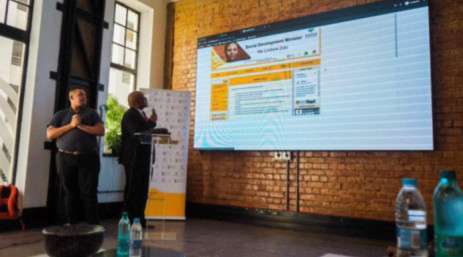
The online booking system will help reduce multiple visits to offices and long queues.
The Minister of Social Development, Lindiwe Zulu, launched an online booking system for disability grants in Cape Town on 28 April.
The online booking system forms part of SASSA’s strategy to improve its services through efficient use of digital technology, which will cut down on the amount of time spent queueing, and cost savings for both SASSA and applicants.
Once operational, the online system will enable disability grant applicants to book their medical assessments without physically visiting a SASSA local office.
The minister said the online booking will also address challenges associated with long queues at local offices and ensure that SASSA complies with Covid-19 regulations. “I don’t want to see 197,000 people standing in queues, hence the reason why we launched this online application because it means people can be able to apply from home,” she said.
She said assistance will be offered for those who cannot operate the systems.
“We’ve trained probably 10 out of 25 people, but the training is going to be a long-term training, because this is a pilot project, which means we need to be able to train people in all the Sassa offices,” said Zulu. “We're thinking that we might even use volunteers.”













