
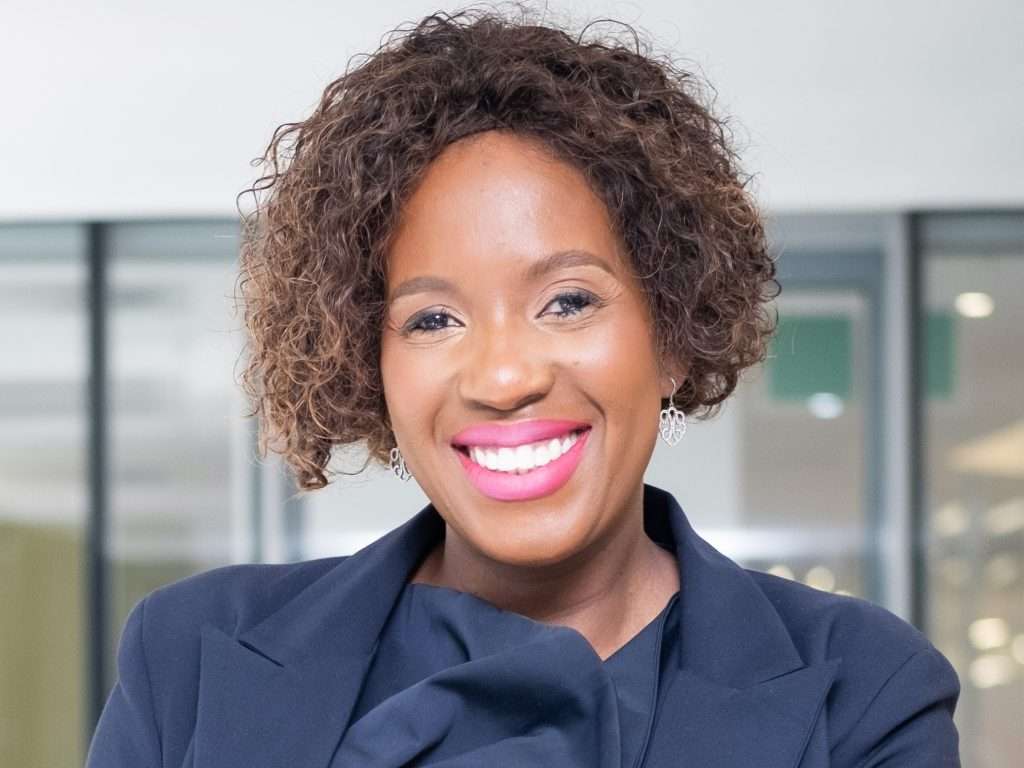
As we honour Nelson Mandela Day, Dr Lesego Rametsi, the managing executive for colleague experience at Absa Group calls on HR leaders to be reminded of leading with the same moral courage that defined Madiba’s life, ensuring that workplaces become spaces where doing what is right is just as important as doing what is profitable.
Nelson Mandela’s legacy is often celebrated for advancing political freedom and social justice. Yet, at the core of his vision was a deep belief in building ethical, resilient institutions. As we observe Mandela Month this July, business leaders, particularly those entrusted with shaping human capital, must reflect on how his legacy challenges us to create organisations that nurture trust, accountability, and sustainable impact.
In today’s corporate world, human capital is the heartbeat of institutional resilience. The role of a human capital leader is no longer confined to hiring, training, or managing policies. It is about safeguarding the soul of the organisation. It means cultivating an environment where people are empowered to do right, not just do well. And at the centre of this work is ethical leadership, a quality Mandela embodied with unwavering consistency.
Mandela understood that institutions outlive leaders. Their strength lies in the values they uphold and the culture they foster. He championed transparency, fairness and accountability because he knew that sustainable change is only possible when institutions reflect the highest ethical standards. The same holds true for businesses. A company’s human capital strategy cannot be separated from its ethical framework. When organisations embed integrity, respect and purpose into how they recruit, develop, and lead people, they unlock more than productivity. They build resilience, innovation and long-term value.
We are living in an era marked by uncertainty and complexity. Global conflict, social unrest, technological disruption and shifting regulatory landscapes are changing how businesses operate. In this volatile environment, leaders often face the temptation to prioritise short-term performance over principled action. But Mandela’s example stands as a powerful reminder that leadership requires moral courage. His choice to pursue unity over division, reconciliation over revenge, and principle over convenience offers a blueprint for leadership that transcends politics and speaks directly to how we steward human capital.
At Absa, we believe that shaping ethical institutions begins with leadership that consistently sets the right tone. Governance structures, people policies, and codes of conduct are important. But they mean little if they are not reinforced by lived values and deliberate action. This is especially true in human capital management, where the trust of employees, customers, and communities depends on our willingness to lead with integrity.
Mandela also taught us the strength of humanity, care, stewardship and resilience, the ability to stand firm in the face of adversity while remaining true to one’s values. Human capital leaders must harness that same resilience when advocating for ethical practices, even when the pressure to cut corners mounts. It means pushing for inclusion, fairness, and accountability in people decisions. It means ensuring that culture-building is not a seasonal project but a continuous commitment, one that adapts to emerging risks and opportunities alike.
At Absa, we are intentional about leading our employees with humanity, care, and a deep sense of stewardship. We believe leadership goes beyond performance targets; it is about creating an environment where people feel valued, supported, and empowered to thrive both professionally and personally. Our commitment is to make a lasting, positive impact on the lives of our colleagues, extending far beyond the workplace and contributing meaningfully to their growth, wellbeing, and sense of purpose. This people-first approach anchors our culture and serves as a key pillar of how we build ethical, resilient institutions.
Today, ethics is not a soft issue. It is a strategic differentiator. Stakeholders expect more than corporate statements. They demand authentic, transparent leadership that values people as more than resources. Institutions that fail to embed ethical thinking into their human capital strategies will not only lose competitive edge but may also forfeit the trust of those they serve.
This Mandela Month, let us move beyond commemoration. Let us lead in ways that honour his legacy by building organisations where ethics and human capital are inseparable, where our people are champions of integrity, and where leadership is defined by how we rise to meet challenges, not by how we perform in times of ease.