
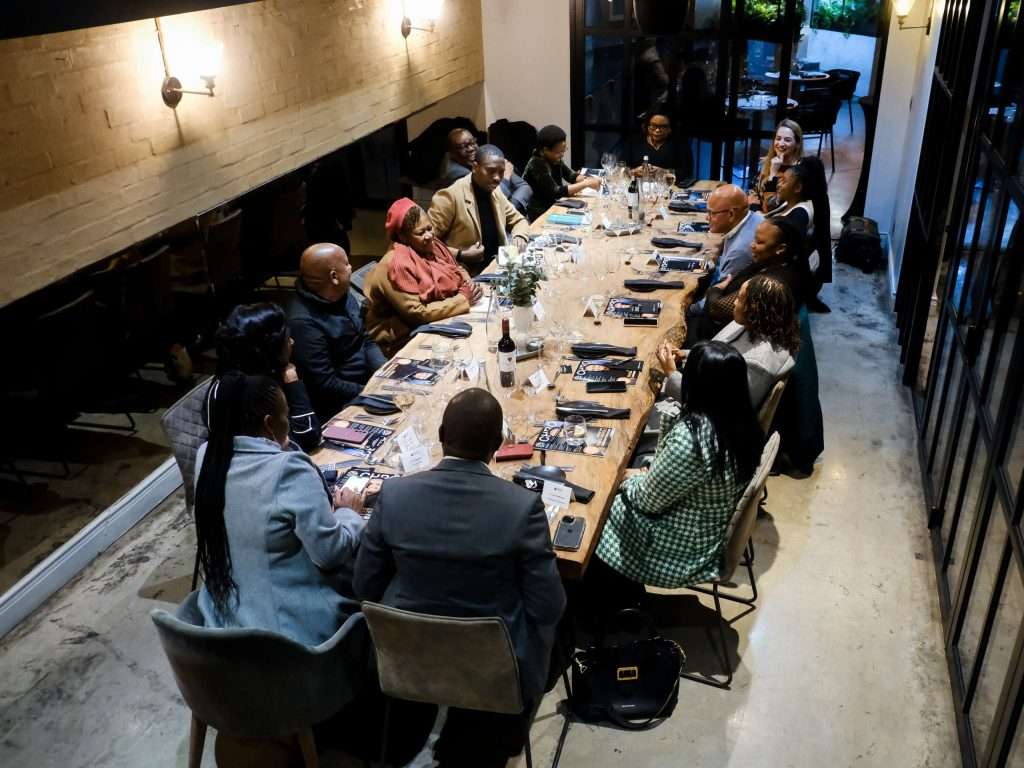
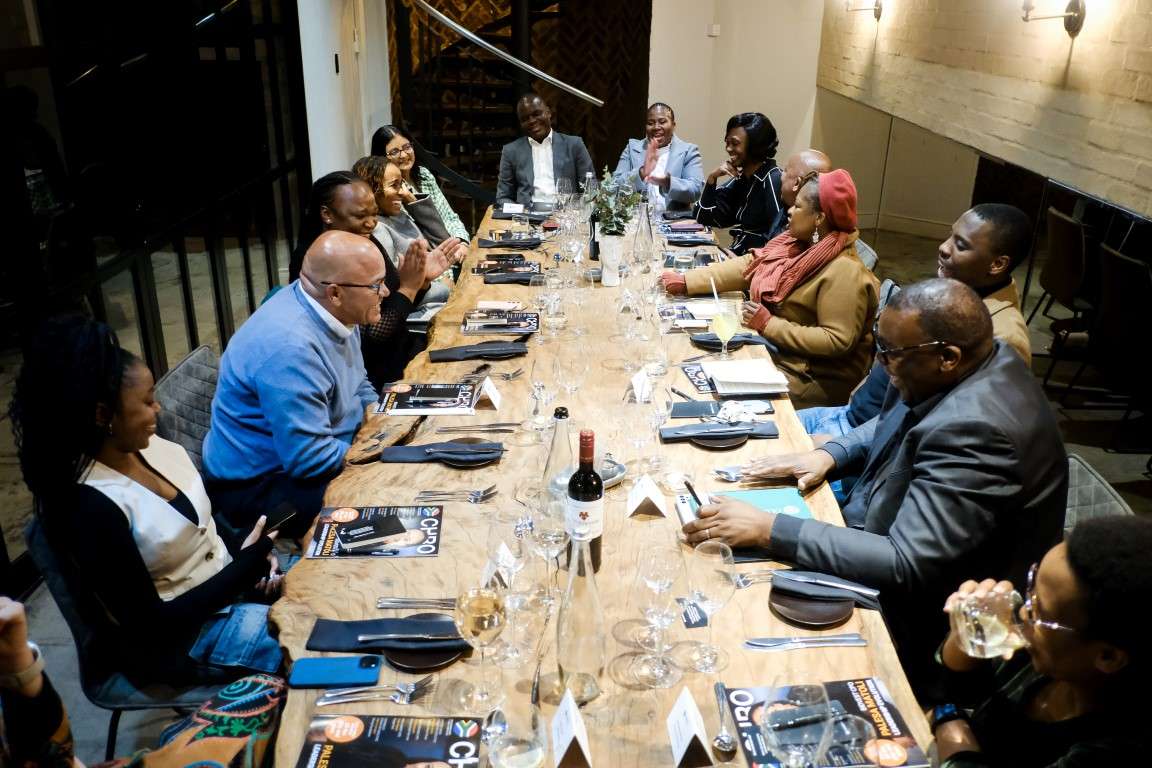
Hosted in partnership with Old Mutual Corporate, the evening of 3 July brought together a select group of HR leaders for an intimate dinner at the Seven Villa hotel and spa in Sandton, for a night of reflection and reimagining employee wellbeing.
The dinner table was set not just with fine cutlery, but also with curious icebreaker cards with a unique question for each attendee to stir introspection and conversation.
One card asked an attendee to give a two-word title to her career journey. “I would title it Organised Chaos,” she responded. “Every organisation I enter, there’s always transformation taking place.”
Another card prompted the question of which role they’d choose if they could switch with someone in their organisation. “I would be an enabling manager,” she said. “Everything I do right now is about creating impact. That role would allow me to empower others more intentionally, and it speaks to where I am in my life.”
With the ice broken, the evening flowed into a broader conversation on where employee wellbeing is and where it could go.
Beyond wellness campaigns
“There’s a need for a paradigm shift around wellness,” one attendee stated. “People see wellness as an event, as something to engage in during wellness week, rather than something that’s part of their day-to-day life.”
This sentiment echoed throughout, with several voices highlighting how the current approach often treats wellness as reactive. “People think they need to use these services only when something’s wrong,” said an attendee. “But even high performers have coaches. Even they need help to get better. So we need to shift the mindset from using wellness tools when things go wrong, to using them to optimise every part of life.”
Generational change also came up as a driving force. “I worry about us because we don’t do it proactively, but the younger generations coming in are going to change it. Unless corporates keep up by investing in robust and sustained wellness programmes, those employees won’t stay.”
The challenge, as many agreed, lies in slowly integrating new wellness habits without making people feel that what they’ve known is wrong.
“When you change your lifestyle, you begin to touch on culture and daily living, but the problem is that people want to live the way they were brought up. There’s nostalgia around certain foods. There are taboos about seeing a psychologist. It’s about shifting lifestyle in a way that also touches on culture,” stated one attendee.
“We are still battling between trying to drive wellness as a lifestyle and offering things that are sometimes seen as taboo or contradictory to cultural beliefs. That’s why I like the idea of turning wellness into a lifestyle, not a process for when something’s wrong,” the attendee continued.
Linking wellness to inclusion
According to those in attendance, wellness days remain popular. Banners go up, service providers arrive and employees enjoy the festivities, but the momentum often fades quickly. As an attendee puts it, “We go home, and the next day, it’s like it didn’t happen. The challenge lies in shifting wellness from an occasional event to an everyday way of life. We can launch all the wellness programmes we want, but it would be like leading a horse to water. If people don’t understand their blind spots, it won’t matter.”
Employee wellbeing, many agreed, must be integrated with DEIB efforts. “If you take DEI seriously, you stop chasing an ideal employee. Instead, you design wellness to suit different individuals, and that’s real equity,” said an attendee.
The attendee added, “People struggle with different things. As corporates, we want to manage wellness in a simple way using one generic solution for everyone, but it doesn’t work. People aren’t experiencing the same struggles, so the one-size-fits-all approach never works. That’s why we gave managers the authority to allow flexible work, as long as the job gets done. You can go to the salon during the week, but just meet your deadlines.”
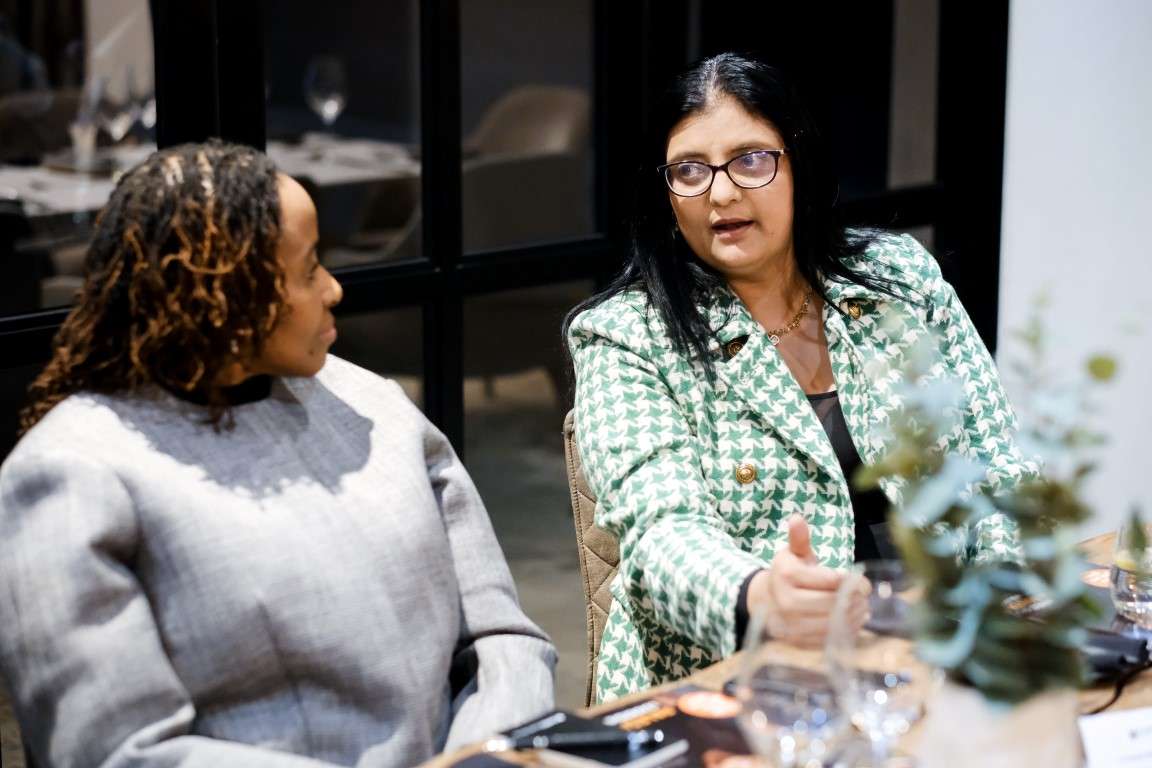
One leader spoke about their peer-support initiative where colleagues can write anonymous notes requesting help with things like food parcels, blankets, or emotional support and co-workers volunteer to assist.
“It's an initiative of employees coming together to assist other employees because there’s a sense of community when we talk about wellness. EAPs are sometimes seen as unrelatable, but people talk to people they relate to.”
Mental health awareness training for both managers and staff is becoming more important. One attendee says they include it in their people strategy, creating voluntary sessions for leaders and employees to better understand trauma, mental health, and how to offer support to employees.
“If someone loses a loved one suddenly, someone from our team physically goes to their home. One of our exco members lost her husband, and we supported her and her family with counselling for months.”
The attendee continued to speak about awareness and how it can ignite intervention and people opening up and people feeling safe. “We started like everyone else with wellness days, wellness weeks, wellness months. What we’ve done now is build holistic wellbeing into our people strategy. That has encouraged us to focus on the mental health of everybody, including people leaders.”
“We run a lot of awareness conversations that are voluntary, where people leaders learn about mental health and how to handle it if it happens in the team. That empowers them to deal with it and understand it’s not the same solution for everybody.”
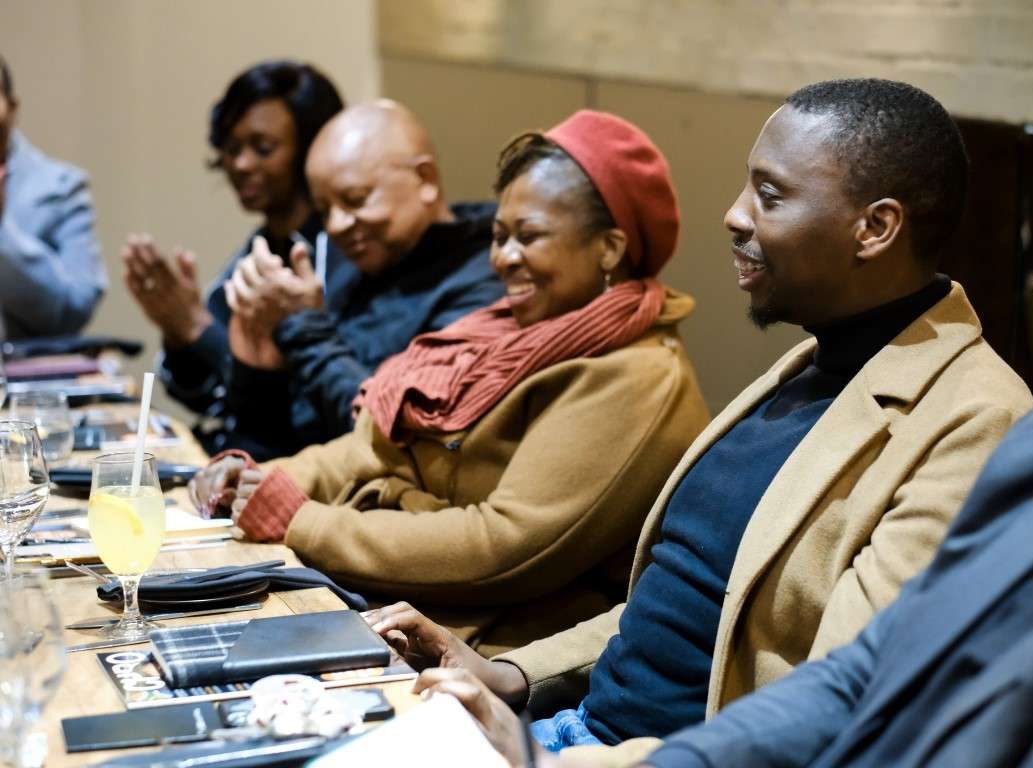
Another attendee shared their initiative on unlimited leave for their executive team for whenever they need a break. “When you need leave, you take it. It’s limitless. One of our executives took two weeks off in the middle of a massive transaction. He said we can do this without him, and the team closed the deal.”
“I was so insecure the first time I took leave. Nobody called. Nobody needed me. What I realised, however, was that I had built a fantastic team. It takes strength to step away, and it forces succession planning.”
The ripple effect of financial stress also came up, and the importance of it being key in wellbeing strategies.
“I have seen how financial pressure impacts productivity,” stated an attendee. “People would even leave the office secretly because loan sharks were after them. It’s a vicious cycle of borrowing to pay debt, often worsened by gambling and gamification of spending through apps and online games, where the line between fun and risk blurs,” the attendee stated.
Another continued, “We noticed that financial stress leads to alcohol abuse and workplace safety issues. After incidents at work, we reinstated daily alcohol testing on entry, which revealed a shocking number of intoxicated employees showing up to work. That prompted us to restart substance abuse awareness and add financial wellness training programmes focused on reducing stress and improving productivity.”
Sense of community
A recurring message was the importance of tying wellness back to community, as the connection between corporate success and community wellbeing was strongly expressed.
“A core belief we have as a business is that we can’t succeed in a society that fails its communities. Sometimes it feels like we see our ecosystem as separate from the communities we operate in, but there's no way we can hide from the societal ills that the communities are facing. We can’t pretend that GBV, mental health, and trauma don’t impact our people. If our interventions don’t address these, we’re missing the point.”
Echoing that statement, another attendee added, “We can’t fix the whole community overnight, but we can start with small steps to make a difference, especially because we come from those very communities ourselves. Corporates need to realise that their profits come from these communities. If they want to sustain those profits, they must invest back into the community.”
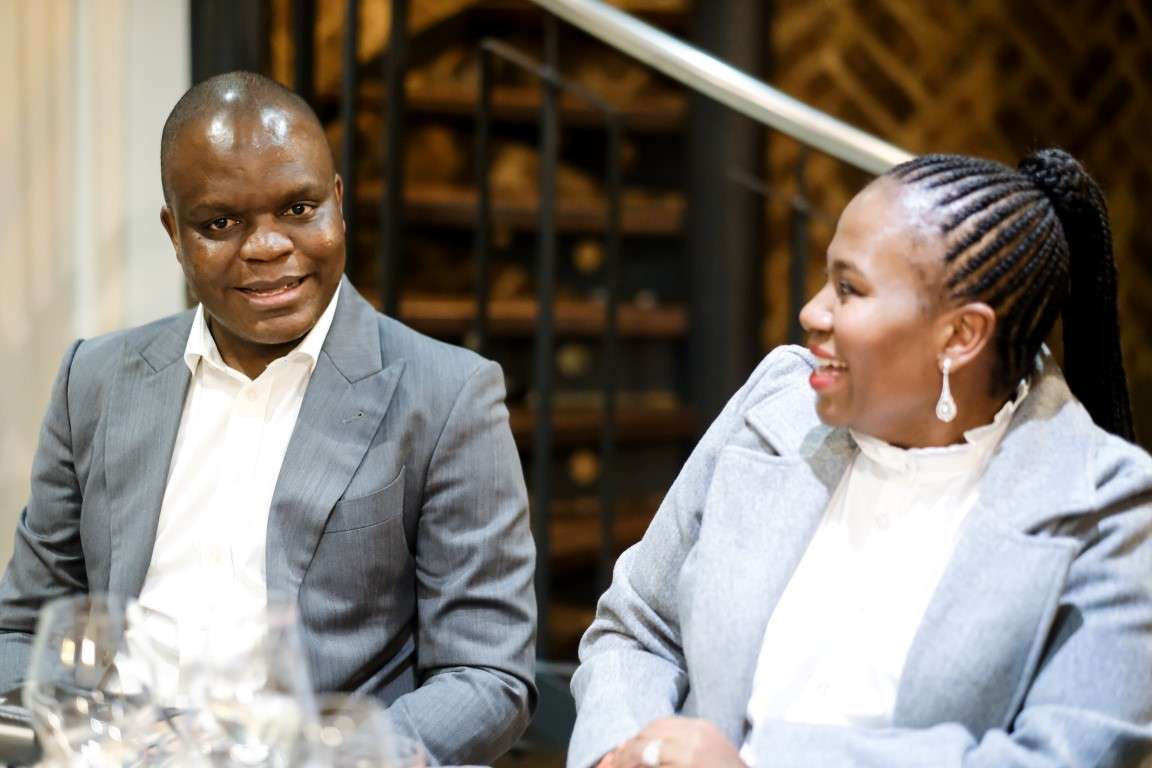
The HR leaders agreed that wellness must be a collective priority. “Too often, employers have a limited view of their employees’ lives outside work. If we give them integrated wellbeing and support solutions now, it will help in the long run. There’s much more we can do to take care of employees,” an attendee stated.
“Wellness is too important to be sidelined by competing agendas or to lose prominence. It must remain a critical cornerstone of people strategies unapologetically and emphatically.”
This affirmed that current wellness programmes should move in the right direction by focusing on awareness, community building, and empowering individuals and leaders. “Wellness, to me, is like a muscle: if you stop exercising it, your mobility and quality of life decline. We only tend to offer family support during trauma, but wellness needs to be ongoing.”
Finally, one attendee concluded with a reminder that employees are people first. “It’s important to look beyond job performance and remember employees are human beings coming from complex backgrounds. Even the smartest employees need support to manage life’s challenges.”
Those in attendance were:
Andra Nel, head of corporate affairs, KFC Africa
Andre Witbooi, group L & D head, Mustek
Avanthi Parboosing, group CHRO, Life Healthcare
Humphrey Mkwebu, general manager, Old Mutual Corporate
Juba Mashaba, CPO, Cell C
Julia Mamakoko, director for commercial and client experience, Atana (Royal HaskoningDHV)
Kgaogelo Letsebe, community manager, CHRO South Africa
Kgomotso Molobye, vice president for human capital: mining, AECI
Mure Wesigye, people & culture director - Africa, Coca-Cola
Nande Sikampula, head of HR, Rectron
Nceba Pupuma, strategic client executive: corporate, Old Mutual Corporate
Nosi Kunene, HR director: sub-Saharan Africa, Kimberly-Clark
S'ne Magagula, CPO, Tiger Brands
Sphumelele Khumalo, senior writer, CHRO South Africa
Thenjiwe Ramorotho, strategic client executive: corporate, Old Mutual Corporate