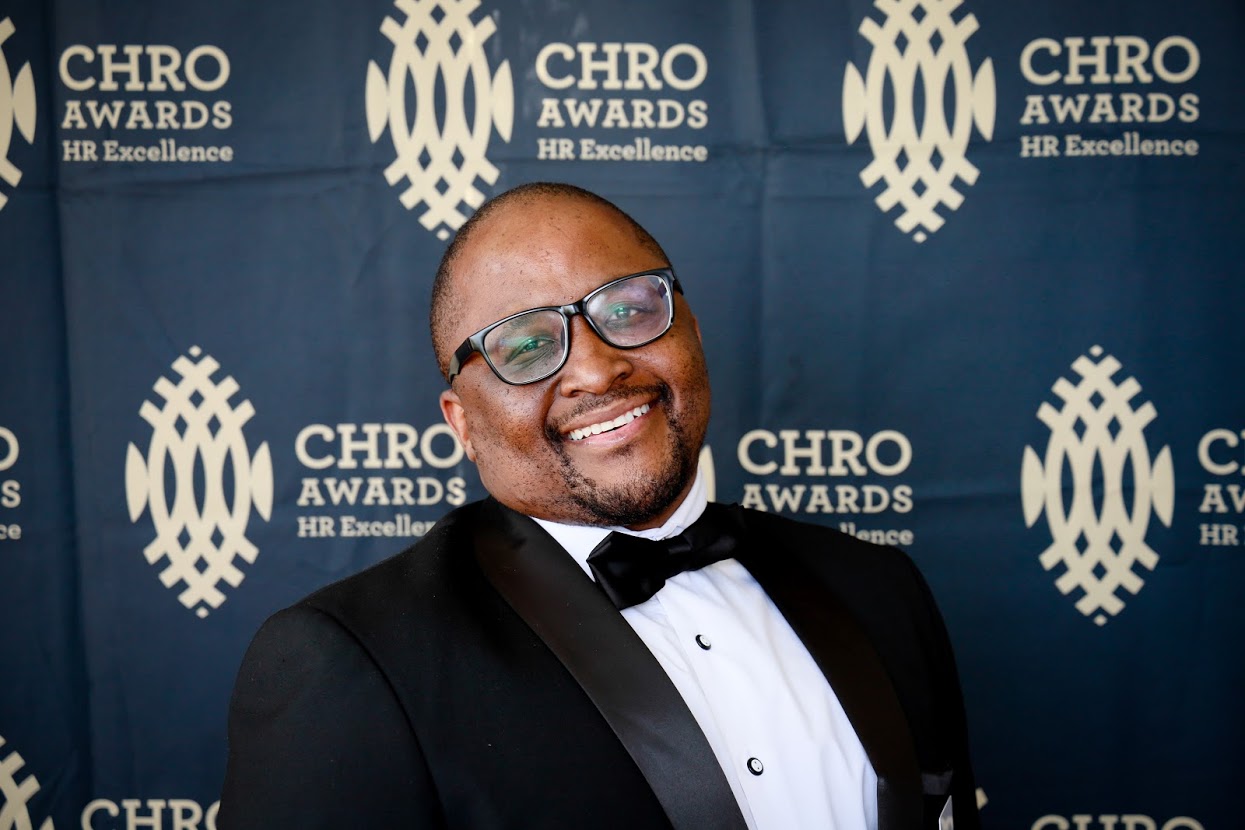


Roy says there is still too much of a compliance-based approach
Roy Clark, co-founder of Clarkhouse Human Capital, believes diversity is one of the most spoken about buzz words in Human Capital, yet it is seldom understood. Compliance is often the driver of so-called ‘diversity Policies and this is not a true strategy and often does not unleash the true positive impact of Diversity. Although every company will promote itself as one that pursues and encourages diversity, many of them do not walk that talk. Instead most companies will simply ensure that they are meeting their employment equity criteria in order to maintain their B-BBEE scorecard and confuse transformation with diversity. According Roy, that is the wrong approach.
“Diversity is not only about black or white and male or female. Rather, it's about having a variety of ideas that can lead to a new way of thinking, from all angles. It is complicated and ever evolving,” says Roy.
“Every company struggles with diversity because they are often overwhelmed in trying to prioritise so many other aspects of business while also managing inclusion and transformation, and still try to be innovative, all while making sure the leadership team is driving Diversity principles in an organisation.”
That said, he believes companies should be challenging themselves to hire people from backgrounds that are different to traditional talent pools because, at the end of the day, a truly diverse organisation can often achieve all the aforementioned business imperatives by virtue of its diversity. Roy says it’s about pooling the ideas of people from different backgrounds in order to develop an outside-the-box way of thinking that will collectively advance the businesses objectives
Diversity is not linear but rather an intricate and complex equation of human capital expressions that, if unlocked, have the power to drive unstoppable innovation and growth.
Says Roy: “I can bombard you with countless facts and statists around the benefit of diversity: it fosters a more innovative and creative workforce; a diverse workforce means you have insights and opportunities into broader markets that you might not have had before; you create a more competitive company in this global world by being diverse; diversity leads to improved and more accurate group thinking, and diverse teams are more innovative.”
There are plenty of business case’s that support his thoughts. In fact, the Harvard Business Review published an article stating that diverse teams are actually smarter than those that are not. It mentions that working with people who are different in terms of genders, generations, cultures and race may actually challenge an organisation's thinking to overcome its stale ideas or subtle biases and that drives performance.
[chro-cta slug=mondel-z-international-s-cebile-xulu-at-hr-indaba-2020-on-14-15-october-2020]
CHRO becomes important
Ideally, it is the CHRO who must be able to push the company to hire a more diverse team of employees and leaders. But they cannot do so if the corporate world continues to view the HR function as a necessary evil that companies have to deal with in order to comply with the law. But Roy says that is unfortunately still the case. While the role of the HR executive has evolved and is increasingly becoming a strategic one, many companies still do not recognise it as such and.
“For many companies, HR still does not have a seat at the decision-makingg table and this needs to change,” says Roy.
Ultimately, only the CEO of a company can drive the culture or the diversity imperative, but it is his or her HR counterpart that should be driving the message home as to why it is important for the organisation. However, an HR leader can only so much, especially if they are continually ignored and treated as a second-rate executive.
The diversity conference
As a thought leader in the Human Capital Space with a Future Focused Approach, Clarhouse Human Capital will be hosting a diversity conference on October 5 2017. A world class line up of diverse line up of speakers and panellists from the USA, Nigeria and South Africa that is aimed at driving deep and meaningful conversation around Diversity covering key themes such as: Transformation, Inclusion, Leadership, Culture and Innovation within the African and global context.
The conference will feature the likes of Stan Slap, a world-renown expert and author on organisational culture, and other visionaries within the field of Human Excellence like Joke’Coker from Nigeria, Lebogang Chaka (Afrovisionary) Vuyo Dunja from the Sub Saharan Chamber of Commerce, Njabulo Mashigo (HR Director for Heineken) as well as top female innovators like Liesl Bebb-McKay from RMB disruptive and innovation technology arm to name a few.