


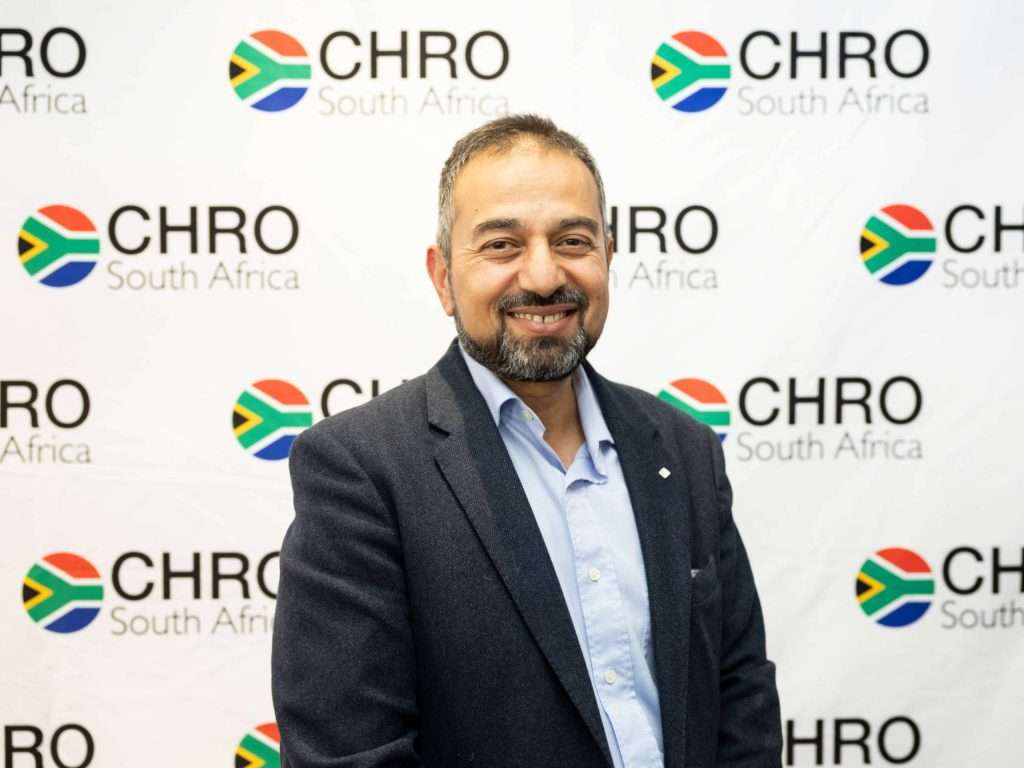
There is a calm assurance in the way Sana-Ullah Bray speaks about people, culture and transformation at Sanlam Group. In a business navigating acquisitions, digital disruption and evolving workforce expectations, Sana-Ullah has emerged as a leader who combines strategic clarity with empathy and pragmatism.
As a senior human capital executive responsible for driving several of Sanlam’s strategic priorities, he has helped shape a culture rooted in both performance and care. “We have five strategic areas: talent, culture and leadership, organisational enablement, ensuring a future-fit workforce, as well as digital data and AI strategy,” he explains. “I am most proud of the fact that we have transformed our practices, and they are deeply rooted in our values: integrity, innovation, collaboration and care.”
That transformation has been tested repeatedly through large-scale integration projects and organisational restructuring. One of the most significant milestones was the restructuring of Sanlam Life & Savings in 2024. Sana-Ullah took this portfolio and ran a process to appoint a seasoned HR head for this business cluster which is responsible for about 60 percent of the Group.
The pace of change within the organisation has been relentless. Sanlam has concluded multiple corporate finance transactions over the last five years, including the acquisition of and integration of Assupol and AfroCentric amongst many others. For Sana-Ullah, successful integration is about far more than systems and structures. “What we want to ensure is that the Sanlam culture permeates through all of these transactions,” he says. “A focussed area in such transactions is the importance of change management, something we take very seriously.”
He points to the strategic partnership with Ninety One as a prime example. “The change management with the Ninety One transaction required several meetings over the months preceding the implementation date between the Sanlam portfolio managers and Ninety One for proper alignment and integration,” he explains. “It’s about cross-cluster mobility and making sure our talent learns from other entities and jurisdictions, and vice versa.”
Colleagues describe Sana-Ullah’s HR team as highly collaborative, commercially minded and deeply strategic. “We worked on the human capital recruitment project and came up with an efficiency initiative by implementing digital optimisation,” he says. “This became a huge success and saved the company about R47 million in recruitment fees by the end of 2025.”
Transformative innovation
Sana-Ullah is equally candid about the importance of challenging executive thinking when necessary. It’s important to have the voice of HR around the executive and boardroom tables to ensure the balance between business and people imperatives.
“We have also managed our transformation targets diligently over the years,” he says. “Through one of the development programmes called Women on the Rise, 20 women are placed into a targeted development programme, which has led to some candidates being promoted into senior leadership positions.”
Technology and AI also feature prominently in Sanlam’s people strategy. “We’ve shifted from foundational digital to transformative innovation,” he says. “We’ve also recognised employees for their effective use of AI in the business.”
Despite overseeing large-scale strategic HR initiatives, Sana-Ullah remains deeply aware of the personal “people matters” that define workplace culture. One story, in particular, still stands out to him. “I gave one of our longstanding employees, my ex PA, her 50th-year certificate of employment. She is a great example of great tenure and loyalty to the Sanlam Group.”
It is perhaps this balance between commercial impact and genuine human connection that continues to define Sana-Ullah’s leadership journey at Sanlam.














