
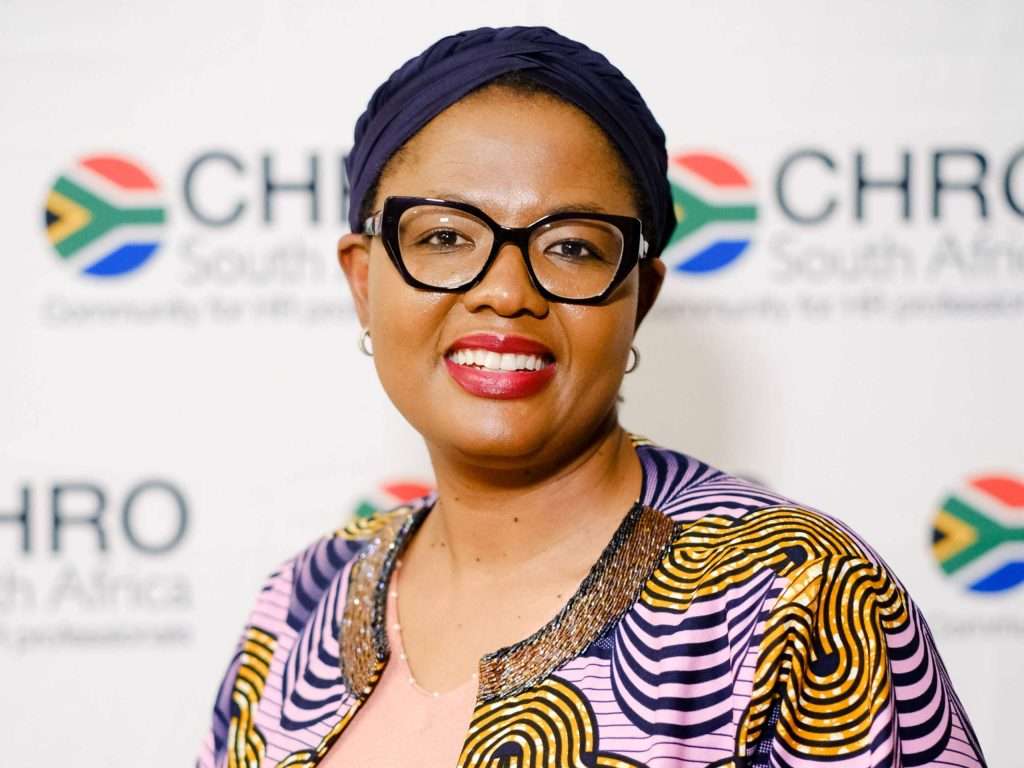
For many in the C-suite, ambition is oxygen. It fuels late nights, important decisions and the quiet promise to never fall short. For Ditsheoana Modise, now chief people and business enablement officer at Sun International, that drive once led to a wall that nearly cost her health.
In Ditsheoana Modise’s effort to meet the weight of expectations, the lines between her professional and personal existence vanished.
Through her transparency, she is helping to shift the narrative, proving that the most effective leaders aren’t the ones who never tire, but the ones who have the wisdom to rest.
“I experienced burnout 13 years ago when I was in my first executive position,” she recalls. “I was working exceptionally hard and long hours to ensure that I delivered and that I did not disappoint myself and the person who promoted me into that role. I basically had no boundaries and no distinction between work and family time. All I did was work and I also neglected my social life.”
In the heat of that first executive tenure, the warning signs were there, though they were often masked or ignored, building quietly and disguised as commitment.
“Thinking back, I experienced excessive fatigue, brain fog at times and anxiety. Insomnia was another symptom that I simply medicated instead of seeing it as a sign of executive burnout. I also lost motivation at times and I was excessively overwhelmed.”
A radical shift
Because the body often speaks when the mind refuses to listen, Ditsheoana recalled the wake-up call for her being physical and frightening. “I became numb on one side of my face while driving, and I had terrible stomach pains that would not go away,” she shares.
That moment of crisis prompted a radical shift in how she viewed her role and her responsibilities. It was a journey of unlearning the constant hustle mindset and embracing the discipline of rest. “My coach helped me realise and accept that self-care is a requirement in order to be effective.”
This realisation, she says, transformed her leadership style from one of individual heroics to one of collective empowerment. “From my experience I introduced executive medicals which included psychological wellbeing and I decided not to work on weekends, unless I have a critical delivery. Since this was my first executive role, I also learnt to deliver through others more than I had been.”
She admits, however, that for people leaders, admitting to a struggle is uniquely complicated. As the custodians of people and culture, there is an unspoken pressure to be the pillar of strength for everyone else. “I was a female, the youngest in the executive team in a male-dominated environment, so I believed admitting that I was struggling and exhausted would be seen as a sign of weakness.”
This isolation is a common thread among senior leaders. Ditsheoana points out that the very nature of the HR function can create a barrier to self-care, causing HR leaders to always be the last ones to put on their own oxygen mask. “We delay prioritising our own wellbeing because we effectively look after everyone and our jobs are very lonely. By virtue of the role, you are also required to keep confidential and sensitive information that sometimes weighs heavily on you.”
A strategic necessity
She also believes that the reason burnout remains a ghost in leadership circles is because of how it is framed. “Executive burnout is also still seen as a sign of weakness; it is not talked about. It is seen as the executive failing to manage their workload and lacking boundaries. There are very few stories shared by respected individuals about this.”
She is quick to challenge the always-on and available culture that many mistake for dedication. “Being constantly available is a marker of poor self-management," she asserts. To fix this, she believes the responsibility lies within the organisational policies itself. "It should be mandatory for every leader to take mandatory three weeks’ leave and long weekends every quarter.”
As a seasoned people leader, Ditsheoana views the prevention of burnout as a strategic necessity rather than just another HR initiative.
“The cost if left unaddressed is that the organisation does not get our full contribution and effectiveness,” she explains. “From a culture perspective, the employees will believe that the organisation does not provide the necessary care. There will also be leaders demonstrating the wrong behaviours.”
She encourages CHROs to be the primary advocates for a healthier executive tier. “Firstly, we should highlight it to our colleagues when we see it coming and encourage them to take a break. We must normalise executive medicals with a pre-requisite for the health company to share any signs of burnout. Basically, we should monitor it and ensure that health companies reveal burnout or potential burnout cases to the company so that the company can work with the executive to monitor the same.”