
Especially if they are coming from a different industry
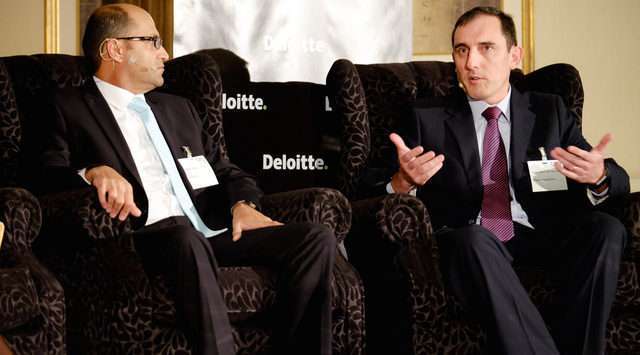
CHRO SA’s brother company CFO South Africa on Wednesday hosted its fourth summit of the year in which the master class discussion was about being a hands-on CFO, and one of the key insights from the panellists was that newly-appointed CFOs should be given time to acquaint themselves with the business, especially if they are coming from different industries.
Ockert Janse van Rensburg, CFO of vehicle group Motus Corporation said that, when one changes careers, they have to make an effort to familiarise themselves with the operations of the company, otherwise they’re going to find it difficult to command respect from their colleagues in the boardroom.
“When you decide to jump into a completely new industry, you almost have one opportunity, as a first step, to familiarise yourself with everything around you. And if you don't do it at a very early stage, you will find it very difficult,” said Van Rensburg.
Allowing the CFO time to acquaint themselves with the business can mean allowing them 30 days to do site visits, for example, so that when they come to the office they are ready to hit the ground running and give their input. In fact, one of the agenda items in his first boarding meeting was to provide feedback from his site visits, so he had to come up with some concrete answers on what he had seen and what he thought was the way forward.
Said Van Rensburg: “It's quite a daunting task because what the CEO does in those 30 days is evaluate whether the company has appointed the right person. If you don't come back with some concrete conclusions, they may think twice about the appointment. My approach to that period was to engage quite a lot during that process, which is not only about visiting operations but continuously giving feedback.”