

At the 2024 HR Indaba, Mustek Group’s leaders shared their journey in transforming HR from a support role to a strategic powerhouse.
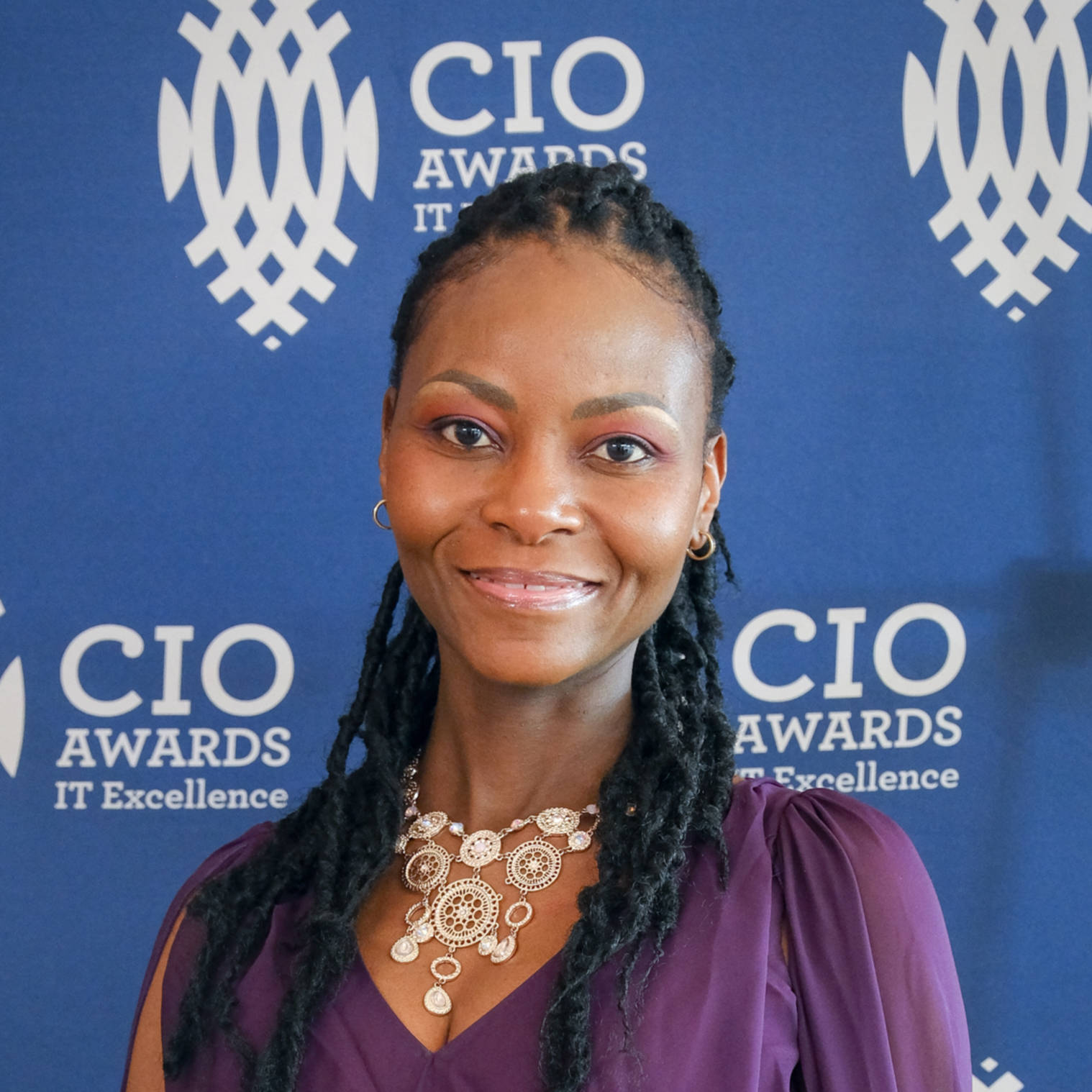
The 2024 HR Indaba featured a captivating panel discussion where industry leaders from Mustek Group shared their journey of elevating HR from a support function to a strategic powerhouse. Andre Witbooi, Head of L&D, Christiaan Engelbrecht, CFO, and Nande Sikampula, head of HR, discussed their innovative approach to securing a seat at the leadership table and driving meaningful change within their tech company.
Christiaan, the CFO at Rectron, a Mustek subsidiary, is a non-traditional CFO. Upon joining the company, he observed a lack of people-centric focus. “Many companies,” he explained, “reach a point where employees feel disconnected and have no avenue to address issues. Compliance often takes precedence over integration, leading to departmental silos and a lack of synergy.”
To rectify this, Christiaan spearheaded a transformative journey. “We recognised the importance of involving employees and elevating HR to the executive level,” he said. “By integrating HR into exco, we shifted the focus towards people-centric issues and fostered a more empathetic leadership culture. A personal crisis experienced by an exco member further underscored the critical role of human wellbeing in organisational success.
Understanding the business
Andre noted that HR’s historical transactional role, which was focused on administrative tasks, needed to evolve towards a more strategic approach. “When we first joined the exco,” he recalls, “we were met with scepticism and one of the execs told us we need to know the business better than they do. This challenge became the catalyst for our journey.”
To grow into a more strategic HR function, Andre and his team embarked on a collaborative process. They began by deeply understanding the company’s business strategy and then developed a corresponding HR strategy that aligned with organisational goals. Recognising the need for internal capacity-building, they conducted a comprehensive needs analysis to identify skill gaps and implemented targeted development initiatives.
A powerful approach that proved effective was positioning HR as a strategic coach. By guiding managers on HR best practices and the value they bring, HR became a trusted partner in driving organisational success. This shift in mindset, coupled with a proactive focus on industry trends, laid the foundation for HR’s strategic ascent within the company.
Nande joined the organisation at a pivotal stage in its HR transformation, where the business had already recognised the strategic value of HR. She emphasised the importance of strategic communication, strong relationships, and a collaborative approach to deliver tangible results that demonstrate HR’s impact.
Prior to her arrival, the organisation had proactively implemented a pre-boarding process that included a comprehensive business analysis, data review and employee engagement survey. This groundwork laid the foundation for developing a targeted HR strategy that focused on improving employee wellbeing and driving business outcomes.
Nande highlighted the critical role of leadership support in fostering a collaborative environment. Her boss’s passion for influencing and building strong relationships proved instrumental in creating a culture where HR could thrive.
To elevate HR’s strategic influence, Nande emphasised the need for functional excellence. This included becoming a trusted advisor, actively participating in business discussions, streamlining processes, and staying abreast of industry trends. By investing in talent development and aligning HR initiatives with the evolving business landscape, Nande ensured that HR remained a strategic partner in driving organisational success.
Christiaan points to the importance of ongoing measurement and evaluation in assessing HR’s impact. “We’ve implemented a lot of our initial plans and are now exploring more advanced metrics to gauge the positive influence on employees’ lives,” he explained. “HR has become a cornerstone of executive decision-making, as the wellbeing of our people is paramount.”
Andre emphasised the importance of strategic alignment between HR and finance. “Asking the right questions is key,” he explained. “I meet with the CFO four times a year to discuss long-term business projections and how HR can contribute to our goals. Understanding the company’s talent needs, both internally and externally, is crucial for strategic planning.”
Nande said, “For HR to truly succeed, we need a mindset shift from both HR professionals and the broader organisation. By aligning our initiatives with business objectives, demonstrating tangible value, and fostering strong relationships, we can position HR as a strategic partner. This requires a cohesive effort from both HR and the broader organisation, working together towards a shared vision."
An audience member stressed the importance of HR professionals’ demeanour and approach in influencing their perceived value within organisations. “How we carry ourselves, respond to challenges, and manage costs significantly impacts our influence,” he noted. “We must adopt a business-oriented mindset, proactively engaging in strategic discussions and understanding the broader financial picture. By waiting for the HR agenda to be set, we risk being marginalised. We must demonstrate our strategic value by contributing insights into sales, operations, and overall business performance.”
Christiaan closed by advocating for HR representation at the executive level. “HR professionals possess a unique combination of legal, compliance, and people expertise,” he said. “This dual perspective allows them to influence decisions across various organisational areas. Many executives are increasingly interested in soft skills and people-centric initiatives, making HR a valuable asset. HR professionals excel at reading people, influencing others, and navigating complex situations. It’s time to recognise your own power and potential.”