
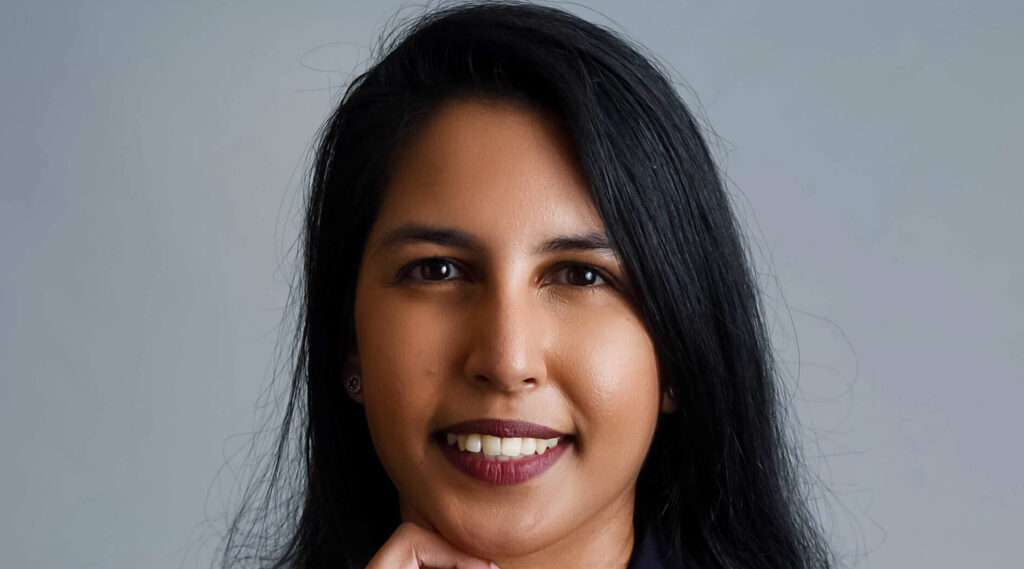
Women bring a level of empathy to the workplace, she says.
Samishka Govender, group HR and training manager at ANEW Hotels & Resorts says that at ANEW they have a family culture, and their attention to detail is firmly grounded in their people.
Shamishka shares that the most important thing about ANEW – and what they want for the whole of South Africa – is to embrace the African heritage. “We embrace multiple cultures and diversity. We're also not afraid to tap into all our staff’s suggestions and ideas,” she says.
CEO Clinton Armour started ANEW Hotels & Resorts with only two hotels, Ingeli Forest and Hluhluwe. The third property was taken over in 2018/19 before Covid-19 hit. During this time, Clinton was instrumental in growing the brand, merging with a company called Darlington House, and adding six more hotels in the process.
Four of these had female general managers. “We always find ourselves with people that get us and get where we are going and what we are trying to achieve,” says Shamishka.
While 54 percent of the global hospitality industry consists of women, “If you look at our hotels holistically, you would see there’s about 60 percent female and 40 percent male representation throughout the entire company.”
Samiksha advises women to embrace their femininity, even when in leadership roles. “Women bring a level of empathy to the workplace that we should all embrace. We understand what others are going through and the bigger picture. We don’t just think in silos.”
She says that during the pandemic’s toughest times, it was their GMs who found alternative ways to help staff when handing out money wasn’t an option. “We provided food parcels with staples like sugar, rice, maize, beans and wheat.”
She concludes that, “When you have a company with such diversity in its people, you get to tap into a wider range of ideas and suggestions. I think that is what has really helped us and our team. While there are plenty of hard skills required to run a business, soft skills are becoming more important, and empathy is number one.”