
Companies should attract a diverse pool of young talent to build a successful organisation.
Godfrey Marema, plant manager and MD for Eaton South Africa, says employers are now looking beyond traditional science, technology, engineering and mathematics (STEM) skills when recruiting by including candidates with an arts background and education.
“However, much more needs to be done to ensure we’re recruiting from a wider pool of talent,” he says.
According to Godfrey, school and university students are too often taught that a STEM career involves them studying ‘technical’ subjects, when this is increasingly not the case. “Our experience has taught us that if you build a team with a diverse range of personal and professional backgrounds you see a rapid transformation in solutions to problems.
“For managers in search of these kinds of innovative thinkers, it’s crucial to also think outside of the box when it comes to recruitment.”
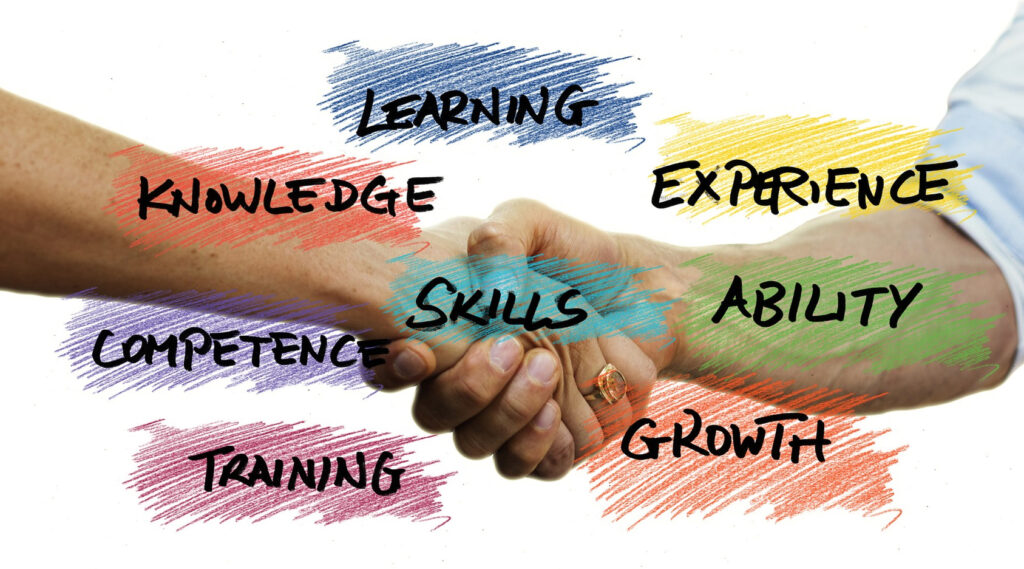
Attracting, developing, and engaging a diverse pipeline of young talent is vital to the future of any organisation, Godfrey says. “This involves building a team with a wide spectrum of skills and professional backgrounds who can come up with more creative solutions to the everyday challenges faced in the workplace.”
“We call this the STE[a]M approach with the ‘a’ standing for Arts. STEM skills in the traditional sense are, of course, hugely important and should be encouraged. However, the beauty of the STE[a]M approach is that it matches the direction the world is headed.”
With the world moving towards artificial intelligence, automation and digitisation, Godfrey says it makes sense that new hires have an educational background geared for the 4th Industrial Revolution.