
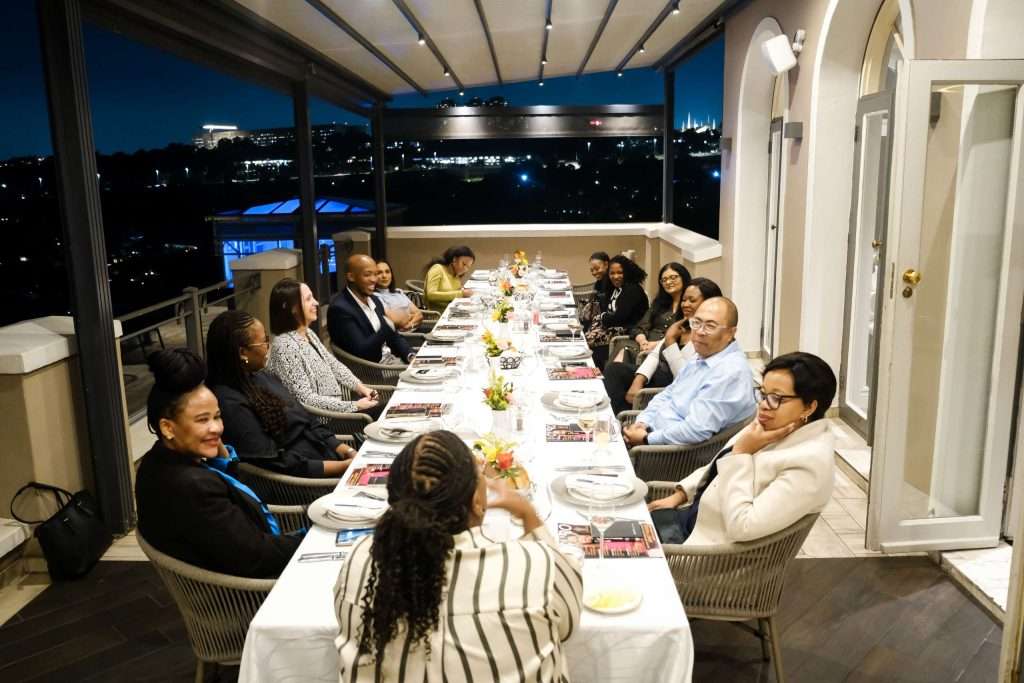
Set in an intimate and elegant setting in Westcliff, the CHRO Dinner held on 9 April in partnership with Regenesys Corporate Education brought together HR leaders to explore how they are navigating the rise of AI, and more importantly, how they are ensuring people remain at the centre of it.
The dinner table was set not just with fine cutlery, but also with curious icebreaker cards with a unique question designed to pull them gently out of their shells.
With the ice broken, the evening flowed seamlessly into a conversation on AI, not just what it is, but what it means in practice, in context, and in the hands of the people expected to use it every day.
As napkins were draped across laps, the attendees leaned into talks that revealed both curiosity and concern.
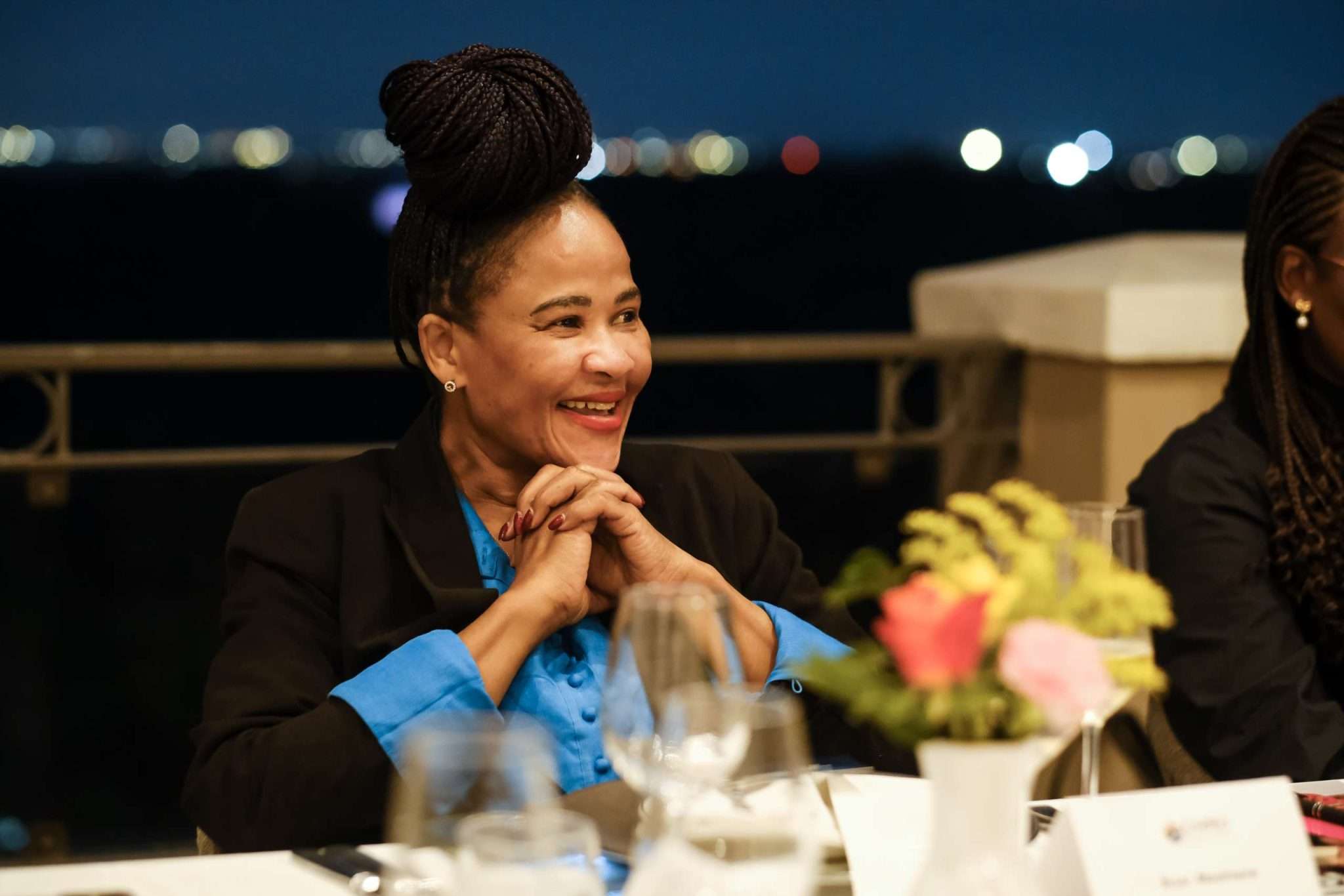
“I have noted that we are restricting the entry level in AI,” one attendee said. “One of the challenges I picked up is that we have factory workers, farmers, and when we talk about AI and the courses available, we realise that everybody needs it. AI should be taught to everyone, because we are leaving a lot of people behind. One of the disadvantages when it comes to technology is that it can leave the majority behind if we’re not intentional.”
Breaking bread and AI barriers
That reflection became the unofficial starting point of the evening, as heads nodded in agreement around the table. Accessibility, it seemed, was not just a consideration, but a responsibility.
As the first course settled in, the conversation moved beyond access and into meaning, unpacking what AI actually looks like in practice.
“We use the word AI so loosely, but what it actually means for us and a gardener is different in a practical sense. There are so many parts to AI, and the real question is which part is relevant for you and your environment,” said an attendee.
The clinking of cutlery had barely started, but the boldness of the conversation saw another attendee highlighting a familiar gap between what is needed and what is available.
“At the beginning of the year, I took a group of our risk professionals overseas because we struggled to find a business school in South Africa that could help us translate what this really means in their day-to-day experience. Something as simple as what we needed, we couldn’t find a partner locally to create something specific. So I think it’s great that there are more generic offerings, but there’s also a real opportunity for partnerships that unlock this movement differently,” an HR leader shared.
“We should be talking to technology companies within South Africa,” another attendee added. “If you look at the market here, especially in mobile, Africa is one of the biggest growth areas. There’s an opportunity to engage differently with leaders in our own geography to make this more relevant.”
Adaptation over automation
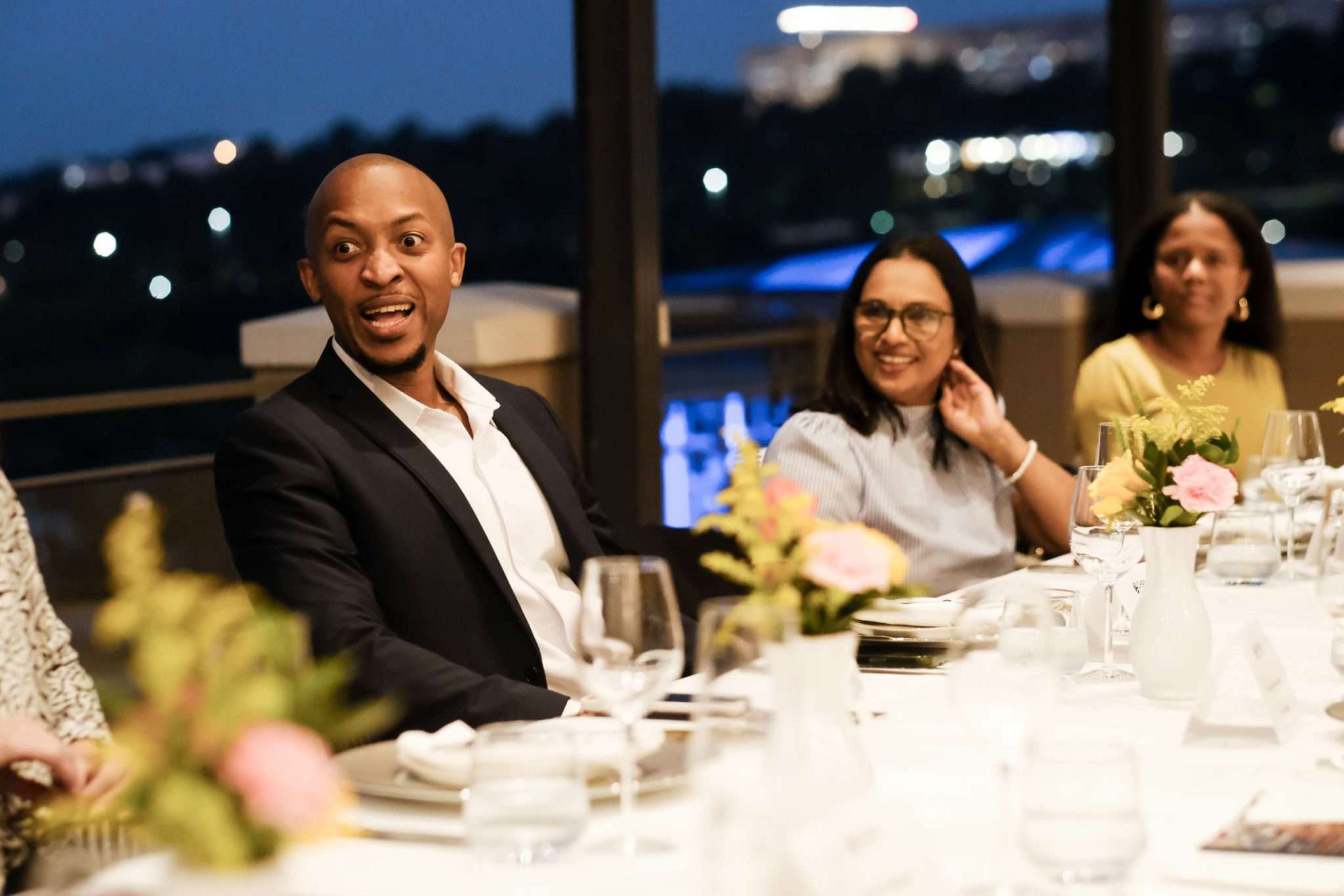
Murmurs of agreement circled the room, reinforcing the idea that while AI is global, its application must be local. From there, HR leaders began to discuss how they can shape AI usage in the South African workplace.
“AI is another tool. Part of my role is to look at how the business is augmented with technological enablement. What does the future look like, and how do we use these tools to sell better, operate better, and ultimately create more value,” an HR leader stated.
Yet even as AI was positioned as an enabler, one attendee quickly grounded the conversation, pointing out how this affects people’s livelihoods.
“It’s not AI that’s going to take your job. It’s the person who has adopted it and learned how to use it better than you, that will take your job. That’s really what it is. It’s about building change agility and helping people adapt to what’s coming,” the attendee stated.
“This is not about AI. It’s about changing agility. At the end of the day, it’s about adaptation, the quickest and the fittest. People will adapt, just like they always have,” the attendee added.
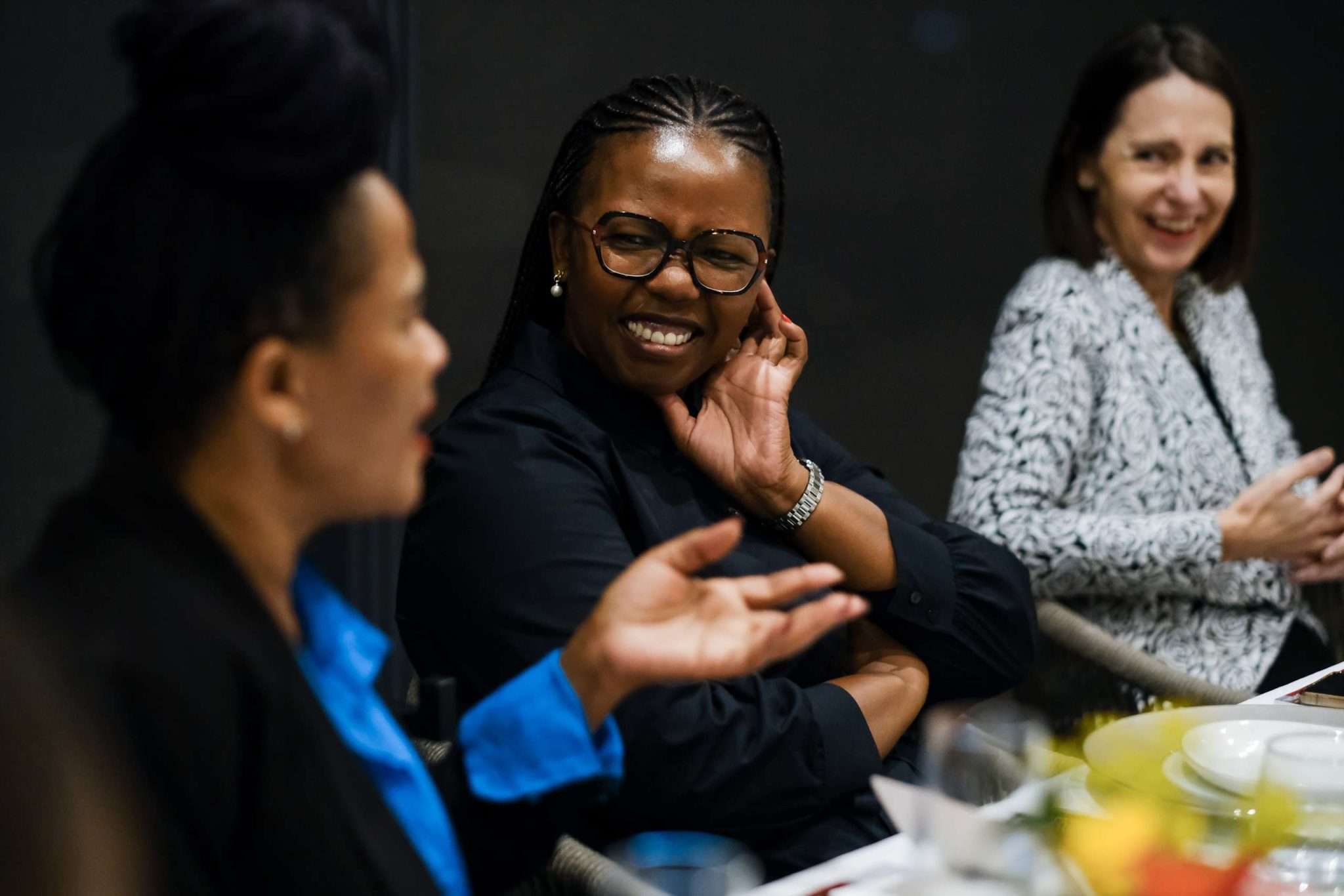
The clinking of cutlery continued, but the conversation showed no signs of slowing, moving fluidly from mindset into application.
“I use AI to write case notes, to take resources from different places and integrate them, to think through ideas. I use AI as a partner rather than just a tool,” an HR leader shared. “The work we’re doing is about identifying what tools are out there that can help each part of the business do things better. Not to retrench people, but through natural attrition to shift capacity into areas where we can grow, sell more, and generate more income. The human element is very important because you need time to develop and think.”
AI as a thinking partner
But as quickly as the benefits surfaced, so too did the complexities. “There’s bias in AI, but there’s also bias in people. That’s why it sits with HR, so we can identify the gaps rather than giving it to IT,” an attendee stated.
“We implemented a system to help manage leave requests, but when someone said their mother had passed away, the response came back without any empathy. It didn’t say sorry or ask if they were okay.’ That human interaction is still missing, and we need to think about how we bridge that gap,” added another attendee reflecting on the complexities.
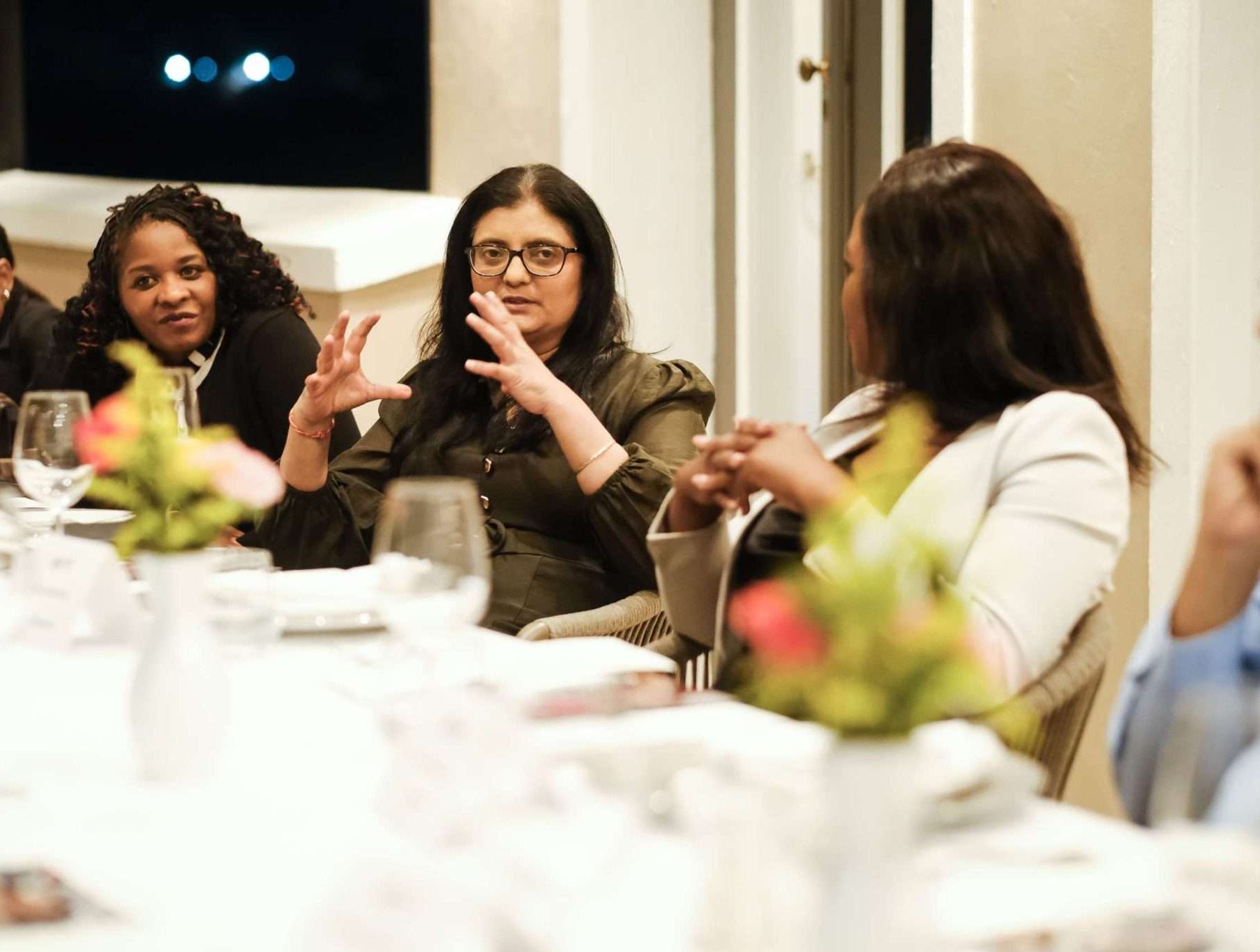
Somewhere between the AI reflection, resolve, starters and dessert, the role of HR came back into sharp focus.
“We are creating a movement. We are moving away from psychological safety as a fallback and focusing on psychological courage, being able to stand up and say count me first, I’ll be the voice,” said one attendee.
Another HR leader added, “I don’t need to be invited to the table. I can bring my own chair. Some of the most impactful things happen when your influence is reflected in the room, even if it’s not always visibly coming from you.”
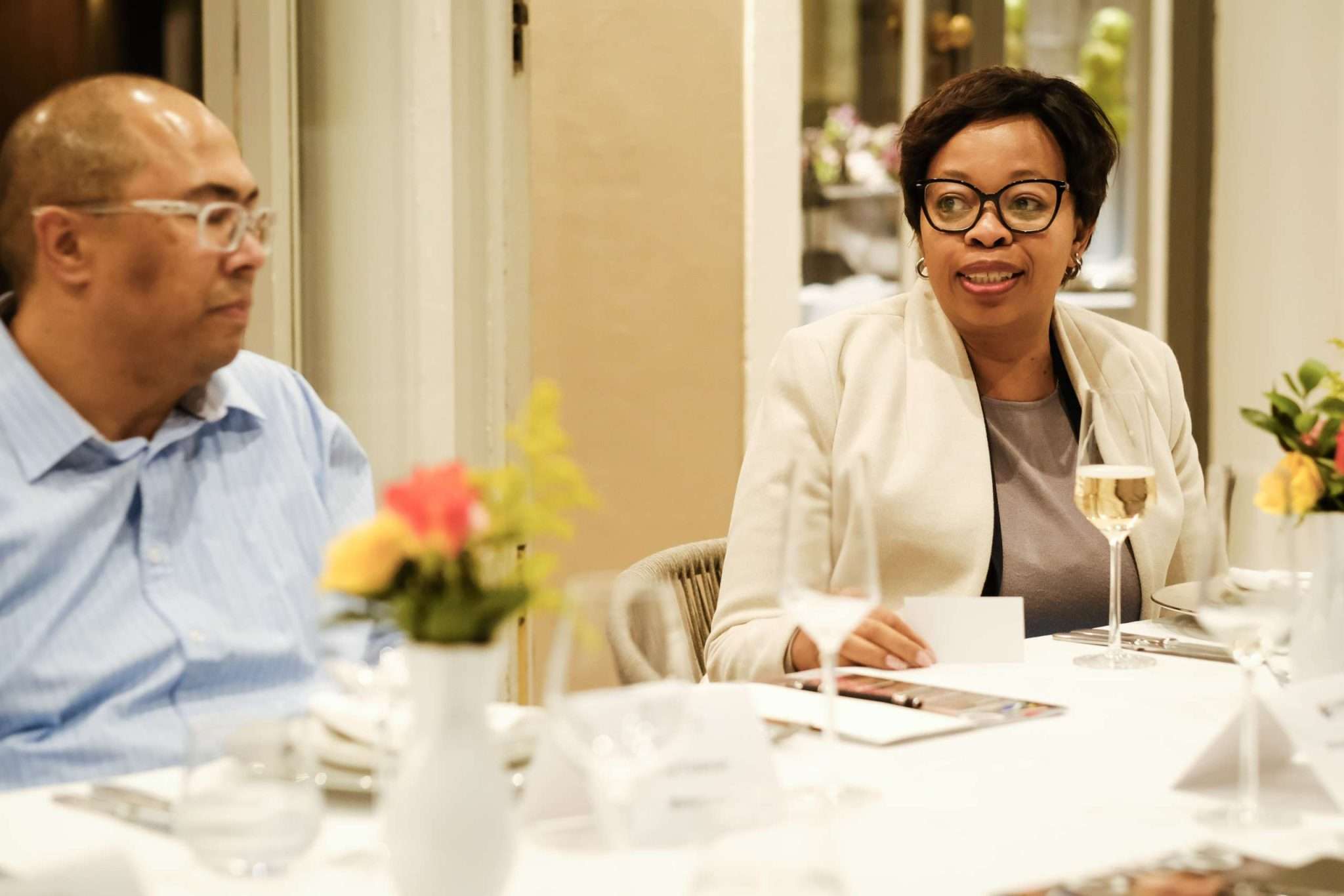
One attendee explained that for this reason, they have started putting people at the top of the agenda. “Culture drives performance, and if we don’t change the mindset of the business, we won’t unlock the value of these technologies,” the attendee said.
As the dinner came to a close, one reflection tied the evening together as an HR leader stated, “AI is happening to us, but we should be happening to AI. We should now be the ones shaping how it is used, where it is applied, and what role it plays in our organisations."
Click here to see visuals from the evening and get a glimpse of the elegant setting, engaging conversations, and memorable moments from the dinner.
Those in attendance were:
Anna-Louise Gideon, managing executive, Regenesys Corporate Education
Avanthi Parboosing, CPO, Life Healthcare
Darryl Feldman, vice president for people partnering, Massmart
Dr. Busi Tshabalala, group HR executive, African Rainbow Minerals
Karen Roux, managing partner, Regenesys Corporate Education
Kgaogelo Letsebe, community manager, CHRO South Africa
Khanya Magudulela, human capital executive, Motus
Lazola Sikupela, HR director, Diageo
Lebo Qangule, executive head: group integrated talent management and group risk HR, Nedbank
Lerato Morathi, human capital executive, Alex Forbes
Nandi Mamabolo, group HR coordinator, Tourvest
Samu Mohutsiwa, managing partner, Regenesys Corporate Education
Sphumelele Khumalo, senior writer, CHRO South Africa