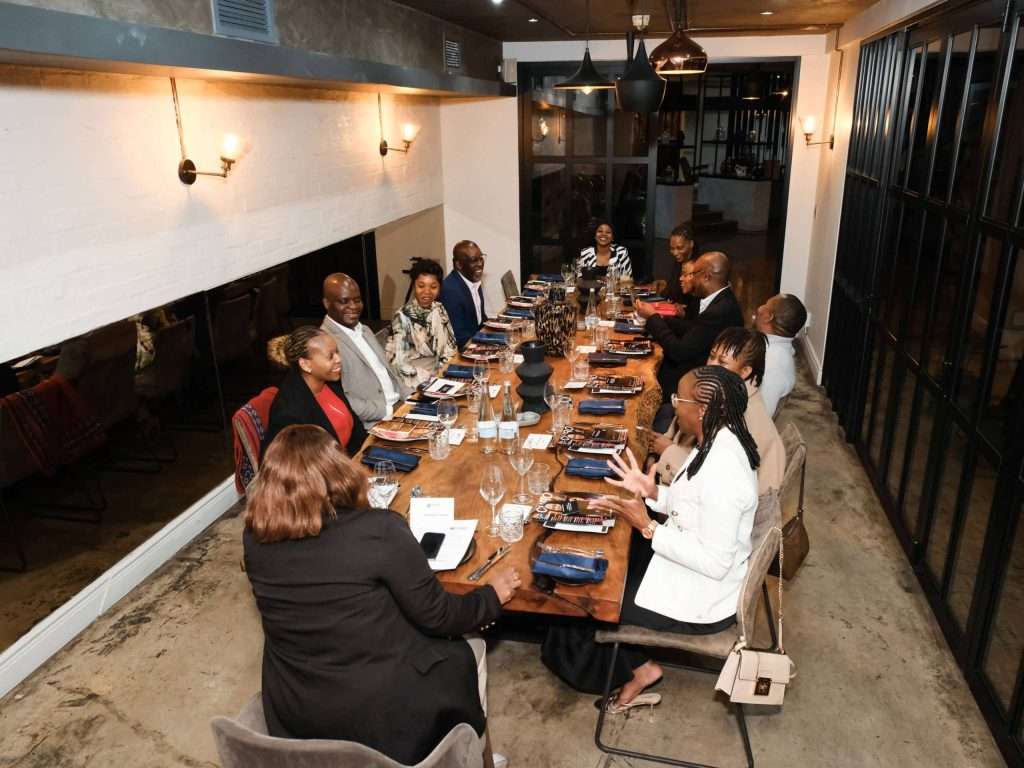
The mining industry knows all about digging deep. CHROs from across the mining sector kicked off the month of October by doing just that, gathering around the dinner table at Seven Villa Hotel in Sandton to dig deeper into the financial pressures shaping employees’ lives long after payday.
Centred on rethinking financial wellbeing across the mining workforce, the dinner hosted in partnership with Old Mutual Corporate on 1 October brought together top CHROs from the mining sector to unpack what it really takes to build a financially resilient workforce in an industry where employees’ financial realities can be deeply intertwined with their families, communities and workplaces.
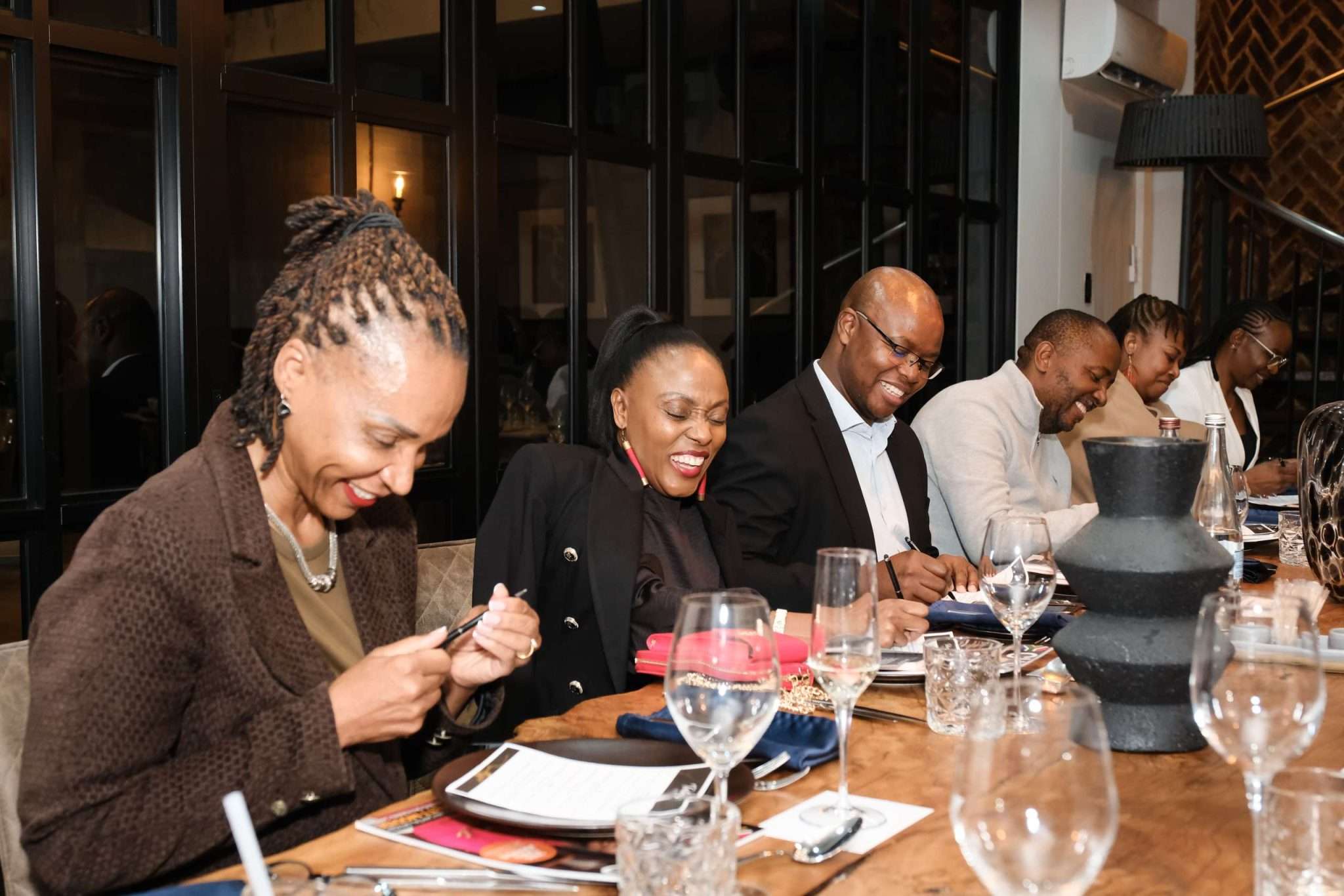
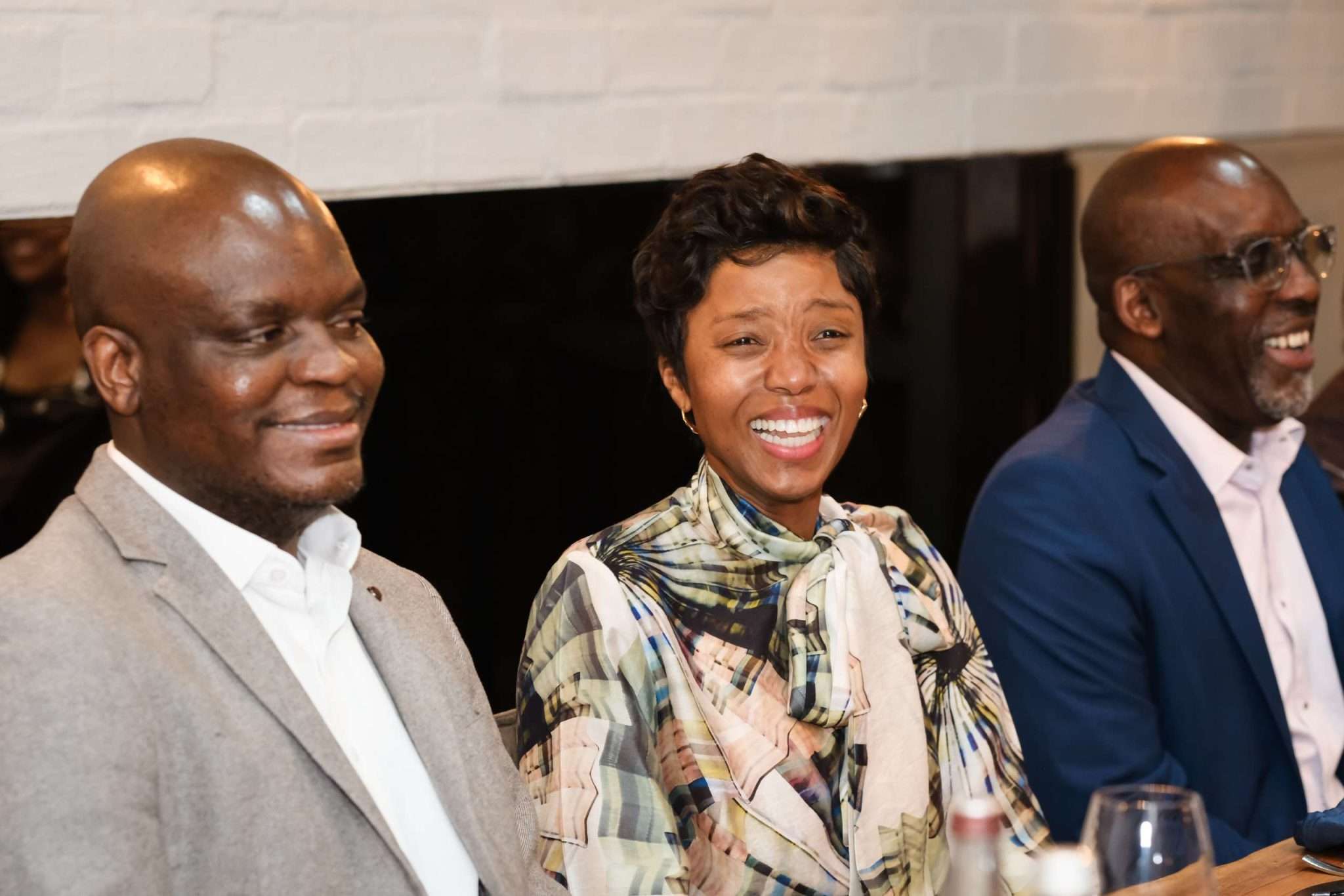
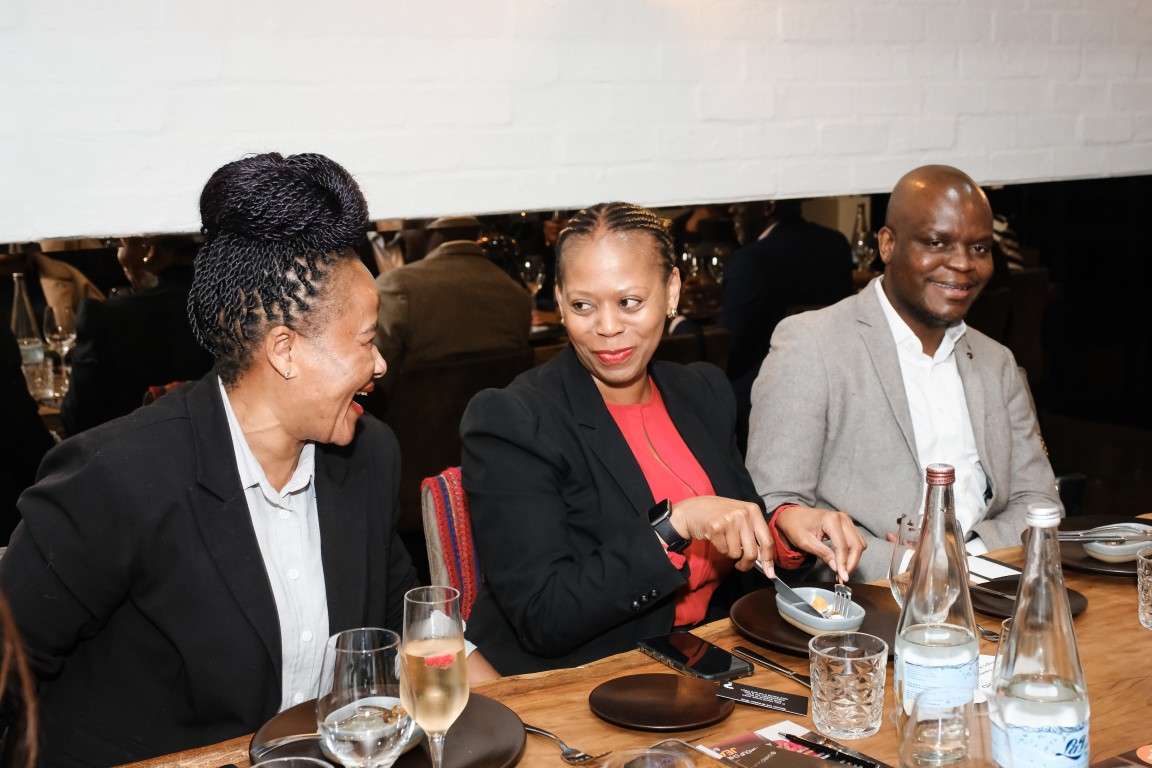
The table was set not only with fine cutlery, but with curious icebreaker cards, each carrying a question designed to gently pull guests out of their professional shells.
With the ice broken, one attendee opened the conversation by sharing insights from benefits research spanning several industries, including mining, and challenged HR leaders to think about financial wellbeing before employees even reach the point of needing financial advice.
“I've been preaching pay literacy before financial literacy. Get people to understand their pay, how it's structured, what's the cash component, what's the benefits component and what the employer is contributing as part of all the benefits you get. Really understand the full package, not just from a financial perspective, but also the non-financial stuff,” stated the attendee.
Mining a bigger challenge
According to the attendee, for the mining sector, where billions of rands flow into employee salaries, the scale of that conversation becomes even more significant. Yet the discussion highlighted a striking disconnect between what employees earn and how financially secure they feel.
“About 45 percent of employees actually say they are under so much financial strain. What we've found is that employers are using CPI as a reference point when they're budgeting for salaries. Most employers are increasing salaries above inflation, but employees are still saying they're under financial strain.”
Murmurs of agreement circled the room as the discussion moved from what employees earn to what they are left with once the monthly bills begin to arrive.
“We found that younger people just want upfront cash, but it doesn't necessarily mean they are irresponsible when it comes to long-term financial security. They do want the flexibility to flex their retirement contributions as and when they need to, and they also have different life-stage needs,” shared an attendee.
With napkins draped across laps and dinner continuing around the table, the conversation turned to what flexibility could look like at different points in an employee’s life.
“We found that those employers that have created that flexibility, in terms of being able to change your retirement savings as and when, were actually still getting people to save more. So that was a positive thing,” shared an attendee.
“There are a lot of employees that seem to be taking care of older parents. The pressure to look after parents is real. Most of those older people haven't been able to save enough to sustain themselves in retirement. So now the current employees are having to look after their parents and look after their families. So this pressure in the middle is real,” one attendee added.
CHROs explained that in mining, that pressure can be amplified by the very nature of the industry. Employees may support households in different locations, send money back to communities, maintain extended families and carry responsibilities that are not always visible from an organisational perspective.
“When I speak to the financial literacy people, they talk over the audiences. We don't bring it home. They're assuming that they're speaking to somebody who has seen someone take care of their money. You're talking to someone who's the first in the lineage to have a job,” stated one HR leader.
“We just have no understanding of how we have a relationship with money, a healthy relationship. Money is very spiritual. I think the conversation needs to start from there and explore what money means, how we go about it, how we relate to it and when, why and for whom we should be using it.”
Financial pressure doesn't clock out
The clinking of cutlery continued, but the issues on the table were becoming increasingly weighty as one HR leader linked financial pressure directly to the workplace, explaining that employees do not leave their financial problems at the mine gate and that those pressures can affect safety and productivity.
“When you've got the financial issues, they actually come with you, and they actually impact your safety. If your mind is preoccupied with other things, safety and productivity is impacted for us,” the attendee stated.
“It is a very material and important issue that we need to address. But the real question is how we address it. I know financial education, everyone's speaking about it. We've done it, but we are not seeing mass interest from the people who desperately need it the most.”
Another attendee added that the challenge is particularly difficult because, despite the amount of financial education available, the people who may need it most are not necessarily engaging with it.
“I think it boils down to stigma. They don't want to be seen consulting about money because then the perception is that they don't know how to manage their household, themselves, their people or their kids. The challenge is pushing the importance of financial literacy in organisations or communities where there is an element of stigma attached to seeking help with anything related to money. That is my biggest challenge.”
Another attendee questioned how far an employer’s responsibility should extend, while another argued that organisations have a role in empowering employees without taking away their responsibility to make their own decisions.
“People are adults. We employ adults. So we can't also overextend. We've got to trust that people can manage, but we also need to empower them.”
As the dinner progressed, an attendee explained that the industry already has significant financial resources at its disposal.
“The industry does have the money. It's how you spend the money. It's not necessarily saying that, as employers, we need to do more. To the point around how you do more with financial literacy education, I can tell you now that if you look at the scale at which you can buy things, it's significant. You can do a lot with the wallet that you have.”
The discussion also explored the tension between giving employees access to money when they need it and protecting the money they will need later in life.
One attendee argued that flexibility and long-term saving do not necessarily have to be competing priorities.
“The value is not in the solution for now. The value is over 20 years. You'll almost double what you save for the long term. So the value is in two parts, not in the one. The more you're able to save and stay employed, the impact of that is more than the last 15 years. If you've got the right consultant, they can show you there's a trap starting against three more years to go and then the market crashes and then you lose.”
Unearthing new possibilities
The CHROs did not frame retirement readiness as an issue reserved for older employees. The discussion widened towards the entire employment journey, including the communities around mining operations and the generations that will eventually enter the workforce.
Another attendee questioned how far the industry's responsibility extends.
“The industry does a lot for people, building homes, hiring a family member if one passes on, and providing benefits. But the question is whether it is sustainable because, with the electricity prices, we had three smelters that were all closed down. We paid employees full salaries when they were not doing anything. Medical aid was paid by the company 100 percent. Are all the benefits industry provide sustainable.”
As another attendee put it, “We're talking about something that started back in the 1800s with mining. How far it comes. We'll never, as responsible corporate citizens, say we're going to stop up to here. The line of responsibility to ensure that somehow we do something for the next generations is there.”
That thinking also extended into how mining organisations help young people imagine futures beyond the mine itself, as one attendee reflected on what happens when children grow up surrounded by a single dominant career path.
“At times, if kids know more or know better, if they know what is possible, then maybe they will aim for some of these opportunities. Some of these people are very smart. The opportunity to work as a miner is there, but if you guys have the capacity to show them what else can be done, especially after the father is gone, then maybe they can see a different path, rather than just waiting to be next in line,” said an attendee.
Another attendee added, “We do initiatives for our employees, but actually the focus should also be on the wider community. We're talking now about how kids don't really have this idea of what's possible out there, because working at the mine, that's all that they see. And what are we doing just to inspire them to think differently? I think most of us catch them just in high school, and it's great, but sometimes it’s too late.”
That brought the conversation back to the role of employee benefits in solving immediate financial pressure without compromising long-term security.
“We need to look at what we can do using employee benefits. I mean, obviously we don't want someone to be pensionless, but we also need to find ways to solve for now,” stated an attendee.
“The value is not in the solution for now. The value is over 20 years. You'll almost double what you save for the long term. So the value is in two parts, not in the one. The more you're able to save and stay employed, the greater the impact over the long term.”
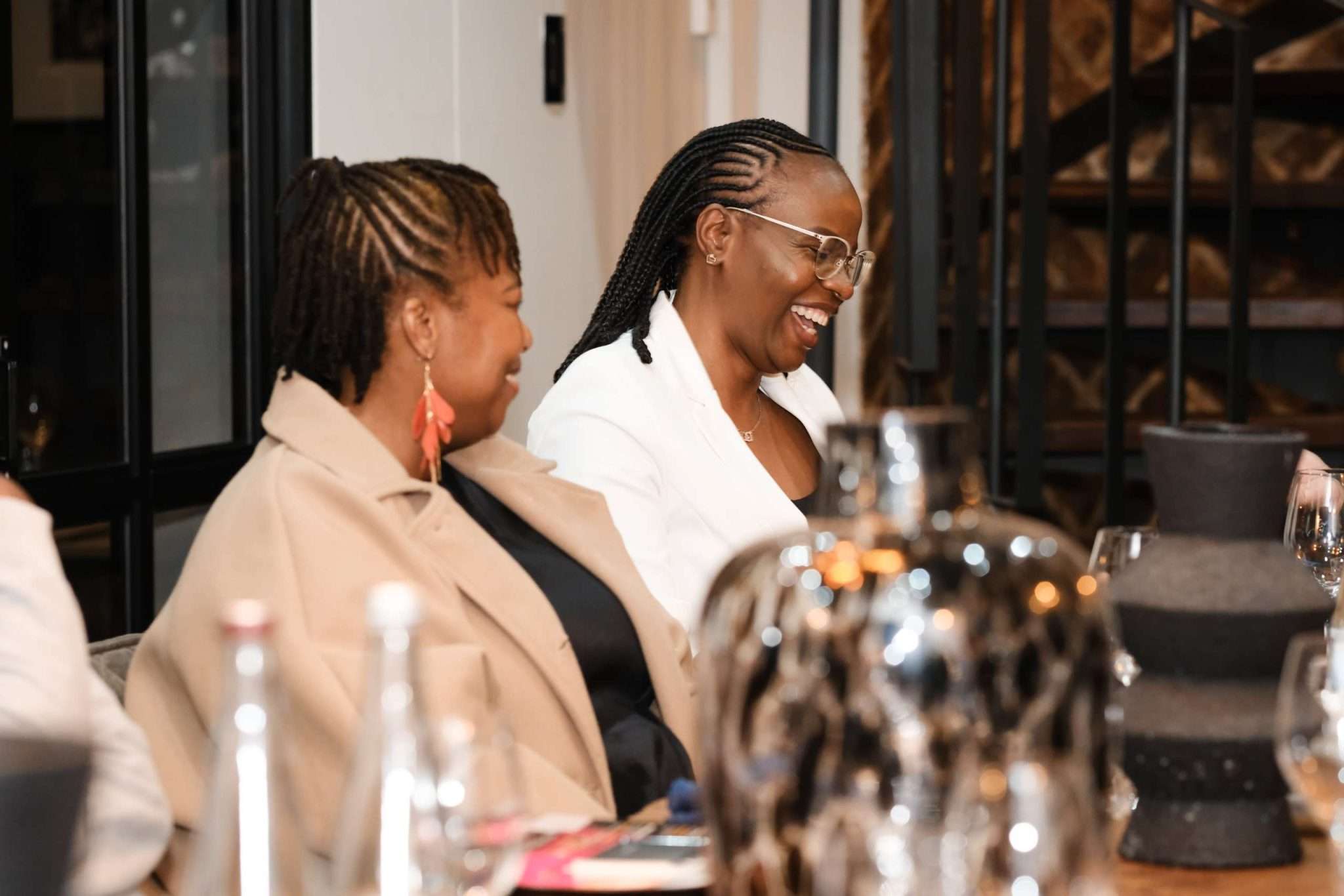
With dessert making its way around the table, attendees reflected on why industry-specific conversations like the dinner matter.
“There are similarities and challenges, but they're deep. They run deep. So there aren't quick fixes for redressing what's happened in terms of the journey of this industry.”
“The networking is crucial. On one level, we're competitors, but the challenges are common and we're dealing with people. I think the learnings that can be shared, for the benefit of people in general and for the country, are worth sharing.”
By the end of the evening, the conversation had travelled well beyond salaries and savings, touching on everything from family responsibilities and retirement to communities, disability and the opportunities available to the next generation.
One attendee returned to the idea at the heart of the evening, stating, “I think people are not asking how much you can pay me. It’s about how we enable them to have a better future. I think this discussion around financial wellbeing is very important because we have to enable our people in the future. It’s beyond the paycheque.”
Those in attendance were:
Blessing Utete, commercial executive head, Old Mutual Corporate
Dr. Busi Tshabalala, group HR executive, African Rainbow Minerals
Humphrey Mkwebu, MD, Old Mutual Corporate
Joseph Rock, CPO
Kgaogelo Letsebe, community manager, CHRO South Africa
Kgomotso Molobye, VP for human capital: Mining, AECI
Lindiwe Sebesho, MD, RemChannel
Sphumelele Khumalo, senior writer, CHRO South Africa
Sylphia Mofokeng, HR manager: organisational design, Mwelase Mining
Thabile Makgala, executive VP: people and corporate affairs, Sasol
Themba Nkosi, CPO, Sibanye-Stillwater
Thami Mvulane, specialist exec: benefits and recognition, Anglo American / Kumba Iron Ore
Tshidi Anya, CPO, Glencore Alloy South Africa
Unathi Sihlahla, CPO, Rand Refinery