
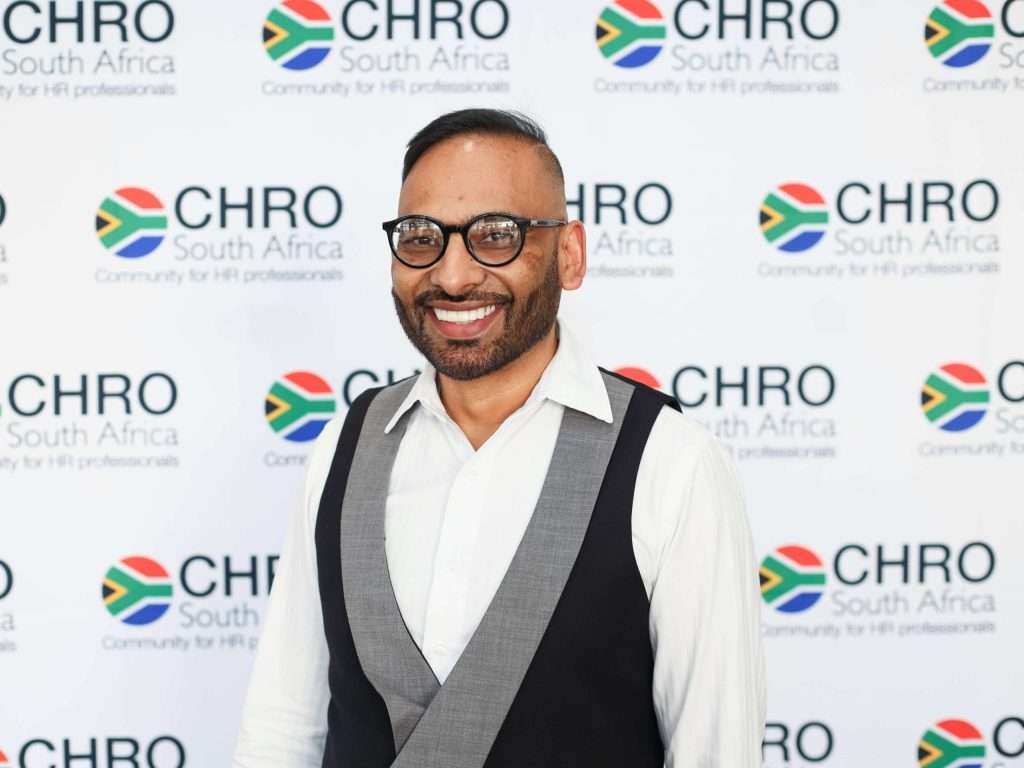
Dr Zain Reddiar, global CHRO and corporate services officer at iSON Xperiences, says HR's fingerprints are on almost every aspect of organisational success, yet a lot goes unnoticed.
In conversation with CHRO South Africa, Dr Zain Reddiar highlights why the profession deserves more recognition for the impact it has on organisations on a daily basis.
Q: What deserves more recognition about the HR profession?
HR deserves more recognition for being a strategic bridge between business goals and people. Beyond the foundational support HR provides, HR also shapes culture, enables leadership, translates strategy into people practices, and manages complex legal and ethical issues. Then there is that strategic, change‑management role which is often invisible, but essential to organisational resilience and growth. Given that this HR contribution is invisible though highly effective and impactful, due credit is sometimes not afforded to the portfolio.
Q: What are some of the most important contributions you and your HR team make every day?
While recruitment and onboarding remains a fundamental HR process, constant redesigning and delivering of this high volume journey to bring the right talent in and set them up to succeed is a key focus. Ensuring a fit for purpose approach that is attractive to a diverse workforce while mitigating the war for talent is an ongoing battle. The work includes:
- Protecting the organisation by mitigating the HR risk and compliance landscape.
- Enabling performance and development through refined coaching, learning programmes that meet futuristic needs, and making present a career-pathing that echoes the personal ambitions of employees and not necessarily one that is linear from the current role
- Supporting managers with intricate people decisions so they can lead effectively while protecting the employer brand reputation.
- Promoting wellbeing and engagement initiatives that maintain morale, retention and productivity.
Q: What motivates you most about working with people and culture and what is your hope for the future of HR?
I’m motivated by the real, measurable difference achieved through people-focused work. My hope for HR’s future is that HR practitioners remain conscious of the power they have to make a positive impact on both business and society and so continue to lead by heart with heart!
HR is also at an inflection point: technology, hybrid work and increasing expectations around diversity and mental health create both challenge and opportunity. Investing in HR capability across analytics, coaching and strategic partnership will reap dividends across the business. We should also celebrate the everyday, human-centred wins HR delivers, not just the big projects.