
A hundred UK companies, which collectively employ 2,600 people, have signed up for a permanent four-day work week.
The Mexican government reaches an agreement with labour and employer representatives to increase minimum wage by 20 percent – despite concerns around inflation. Niger’s president tells an Italian newspaper that African and European states should agree on quotas for African immigrants tailored to employment needs and a French worker has been awarded financial compensation for wrongful dismissal after he was fired for not being “fun” enough at work.
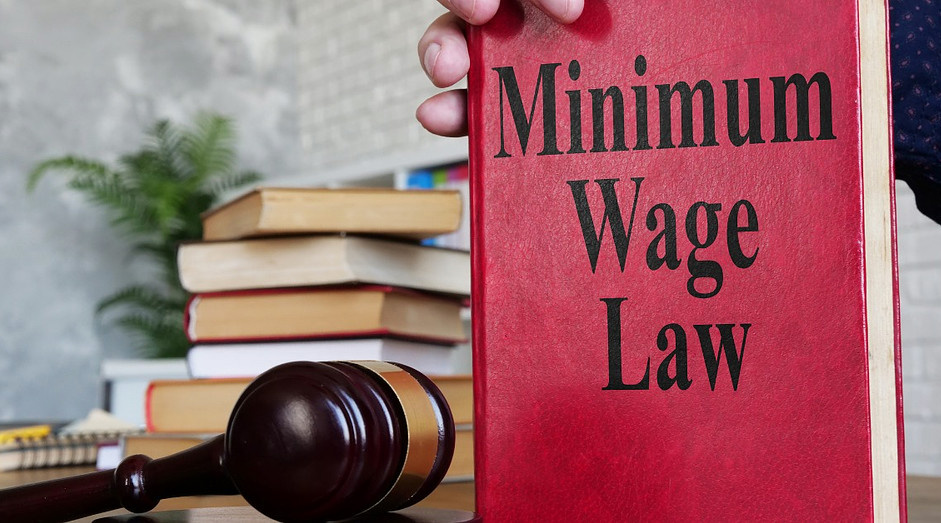
Mexico’s 20 percent minimum wage hike
Employers, labour representatives and the Mexican government have agreed to increase the minimum wage by 20 percent.
The latest minimum wage increase was calculated taking inflation into account, particularly price increases for basic goods, President Lopez Obrador told reporters, playing down inflation concerns from critics.
Luis Munguia, head of Mexico’s National Minimum Wage Commission, said prices are expected to stay virtually flat because labour costs are already low in Mexico, according to a Reuters report.
Niger president calls on Europe to agree African employee quotas
Niger’s President Mohamed Bazoum said in an interview with Italian newspaper La Repubblica that African and European states should agree quotas for African immigrants tailored to employment needs.
An agreement based on the number of Africans that each European country needs for its labour market could help resolve the problem of illegal migration and human trafficking, Bazoum told the newspaper. His head of communications confirmed his comments to Reuters.
Court reinstates French worker who was fired for not having ‘fun’
A French worker has been awarded financial compensation for wrongful dismissal after he was fired for not being “fun” enough at work.
The man was fired from his job for “professional incompetence” after he refused to attend after-work drinks and team-building seminars, reports Yahoo Finance. Cubik Partners fired him in March 2015 over his “professional incompetence”. The company accused him of being a poor listener and criticised his sometimes “brittle and demotivating” tone towards his subordinates and failure to accept different points of views.
The court ruled that the man was entitled to “freedom of expression”, and said his refusal to participate in social work activities was a “fundamental freedom” and not grounds for dismissal.
Four-day work week gains traction in the UK
A hundred UK companies, which collectively employ 2,600 people, have signed up for a permanent four-day working week. The 4 Day Week Campaign group is hoping this is the sign of a major shift.
For some early adopters the policy has also proven a useful way of attracting and retaining employees, reports The Guardian.
Most of the companies that have officially adopted the four-day week are in the services sector such as technology, events or marketing companies. However, the campaign said that some manufacturing and construction employers had also signed up.