
Omicron leads to job losses in Canada.
Rio Tinto releases a report which shows that the global miner has a culture of bullying, harassment and racism, including actual or attempted rape or sexual assault. Canada posts job losses of over 200,000 in January as the Omicron variant takes its toll on the economy. Meanwhile, the US will soon require “project labour agreements” in federal construction projects.
Rio Tinto releases disturbing workplace culture report
A report recently released by Rio Tinto has outlined a culture of bullying, harassment and racism at the global mining giant, including 21 complaints of actual or attempted rape or sexual assault over the past five years, reports Reuters.
Almost 50 percent of employees who responded to an external review of the company’s workplace culture said they had been bullied, while racism was found to be common across a number of areas.
Rio Tinto CEO Jakob Stausholm said the results were “disturbing” and the company would implement the 26 recommendations by former Australian sex discrimination commissioner Elizabeth Broderick.
Canada sheds jobs due to Omicron
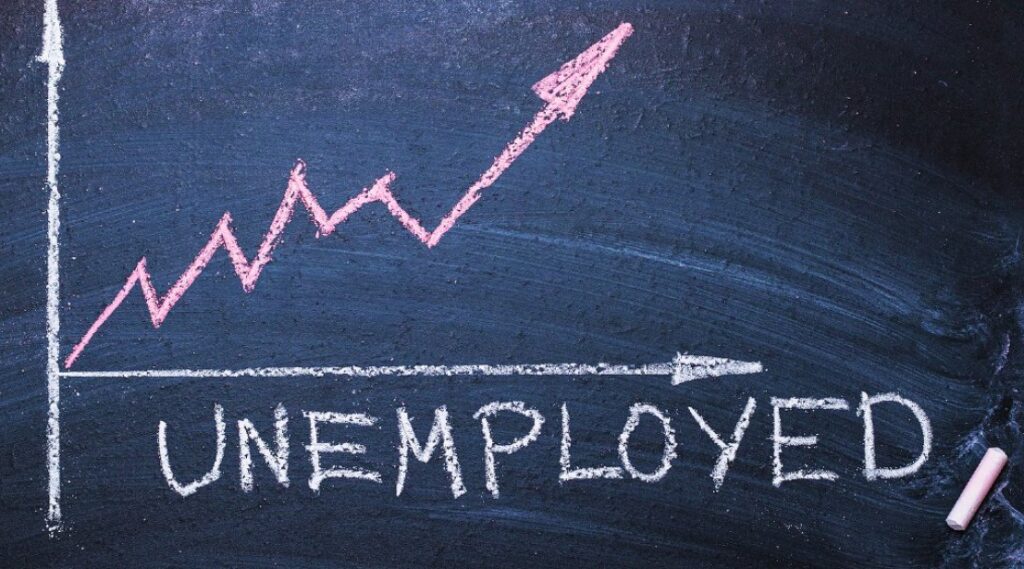
The Canadian economy lost more jobs than expected in January, posting its first decline since May 2021 as the Omicron-driven Covid-19 wave peaked, however analysts expect a quick rebound.
Canada shed 200,100 jobs, roughly matching the losses in January and April 2021, and the jobless rate jumped to 6.5 percent from a revised six percent in December, Statistics Canada said.
Analysts surveyed by Reuters had expected a loss of 117,500 jobs and the unemployment rate to rise to 6.2 percent.
US to sign in “project labour agreements”
US President Joe Biden will soon sign an executive order requiring “project labour agreements” in federal construction projects over $35 million (R541 million), a potential boost to workers and unions that negotiate these deals, and a shift the administration says will speed up building times.
Project labour agreements are collective bargaining agreements between building trade unions and contractors, which set wages, employment conditions, and dispute resolution on specific projects.
The order will apply to $262 billion (R4,047 billion) in federal construction contracting and affect nearly 200,000 workers, the White House said late last week, confirming news first reported by Reuters.