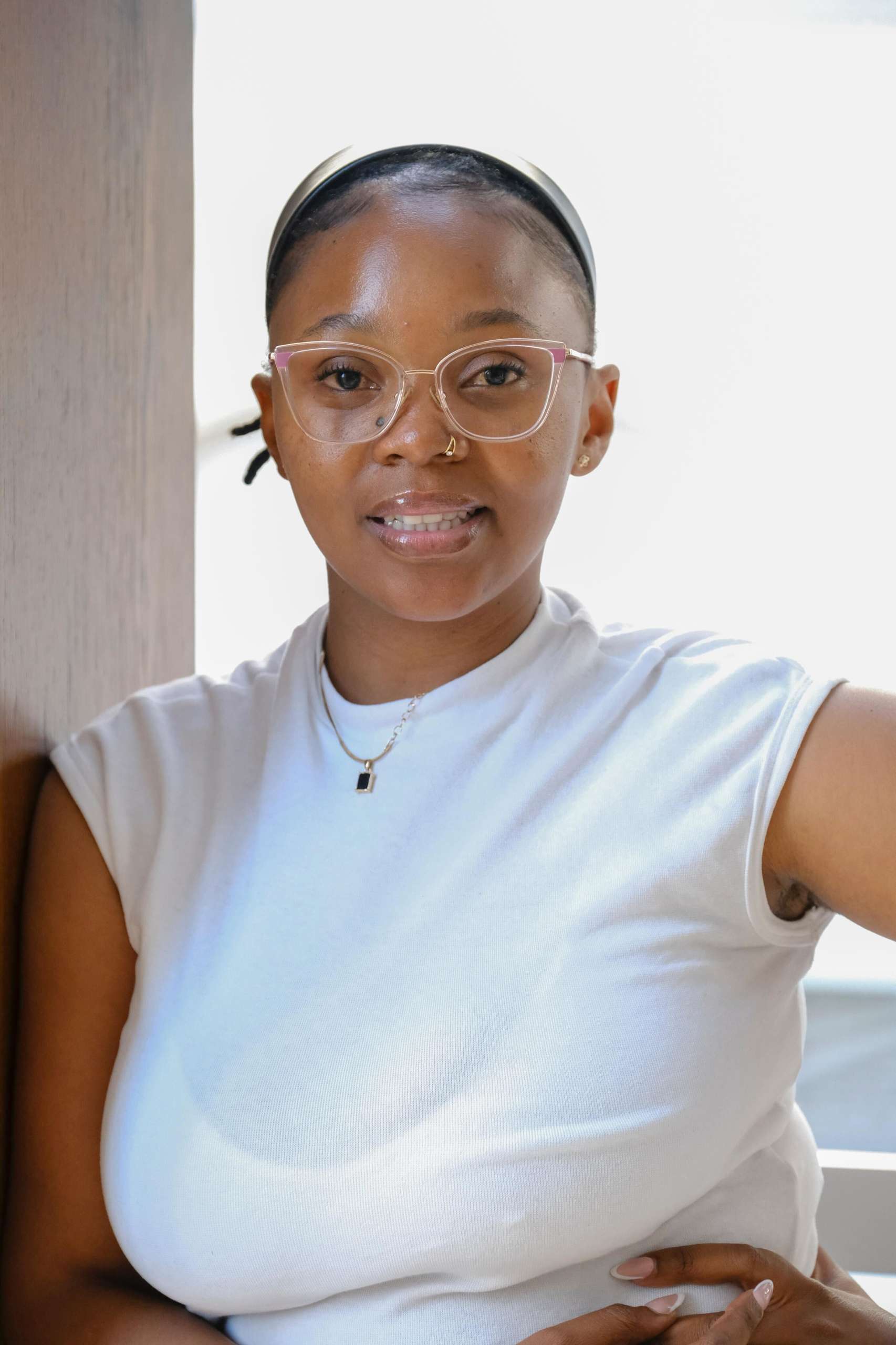


For Amukelani Maphophe transformation isn’t a document or a programme, it’s what happens when people are trusted to bring their best to work. As the people and culture director at bp Southern Africa, she is helping lead a shift that puts empowerment at the centre of business performance.
Having joined bpSA in 2018, Amukelani Maphophe stepped into her current role approximately two years ago and has since made it her mission to build a workplace culture where employees don’t just survive but thrive. For her, empowerment means more than career development.
She says this means employees know how their work connects to strategy, have permission to innovate and feel supported enough to take risks.
“Psychological safety is the foundation. If employees feel safe, they can make mistakes, learn and still grow,” she says. “In many instances employees pursue education for confidence, sometimes to deepen their skills. Whatever the reason, we support development because we want people to grow.”
Amukelani’s own career journey is testament to what empowerment can do. Trained as an urban and regional planner, she never imagined she would end up in HR.
“I never planned for this career. I thought I would be literally building communities, but in a different way. Today, I am still building communities, just inside HR,” she adds.
A mindset shift
However, a sociology class during her planning degree opened her eyes to how environments shape human potential.
“So that's the sort of thinking and the mindset that shifted me to actually go into the workplace, believing that one could do anything.”
That thinking eventually led her to journalism where she worked as a TV news reporter and producer during her internship, managing nightly bulletins at what was then Summit TV popularly known now as Business Day TV. “I couldn’t believe that someone would trust me with such a huge responsibility during my internship,” she notes.
After her short-lived journalism career and the 2008 financial crisis, she turned to corporate communications. Amukelani says she would constantly catch herself Googling “how to communicate during a major change”, and that curiosity is what paved a way into change management.
“I never imagined myself in HR,” she admits. “But working with our former HR director, I got very close to HR, and that’s when I started understanding policies and started applying that lens to change. And then eventually there was a position in HR. I tried my hand at it and today here we are. I was going to literally change communities. That was my plan.”
Removing invisible barriers
Today, Amukelani argues that success doesn’t come from ticking boxes. “It comes from learning, improving and becoming better, not just technically, but in how you lead and collaborate,” she adds.
This philosophy shaped everything from bp’s social mobility programmes to its talent pipeline. She was adamant that representation cannot end at the hiring stage. “You can bring in the best talent, but if your environment doesn’t enable them to thrive, you create a revolving door,” she explains.
She’s focused on removing invisible barriers such as class and access, which often silently shapes an employee’s career. She says they want to make bp a place where competence, not social capital, determines success.
“At bp our belief is a diversity, equity and inclusion perspective that we want to reflect the society within which we operate,” she says. “Diversity is about more than the people we employ today. We must prepare for a more diverse future.”
She says operating in South Africa comes with historical and cultural realities that can’t be ignored.
“So we must operate in a way that is actually reflective of that society because we’re not only here as a business to make profit, you have to make a positive impact on the community. Social mobility is an important conversation. Not everyone comes in with the same networks or the same access to opportunity.”
A different empowerment
Amukelani’s passion for empowerment is personal, although she once doubted whether leadership was for her, she now believes leadership, like career paths, is not linear.
“Representation is critical because it shows you your potential. But so is human potential, it is greater than what I had assumed, but it is enabled and shaped by the environment. That realisation completely shifted everything for me.”
Beyond the boardroom, she is learning to empower herself in different ways, like spending weekends with her sister and nieces, or experimenting with TikTok recipes, usually starting with easy mince and pasta.
Her approach is simple but powerful. “Create workplaces where people can see themselves, stretch themselves, and grow beyond what they thought possible. Empowered employees aren’t just better workers,” Amukelani says. “They are better leaders, better collaborators and, ultimately, the ones who make transformation stick.”