
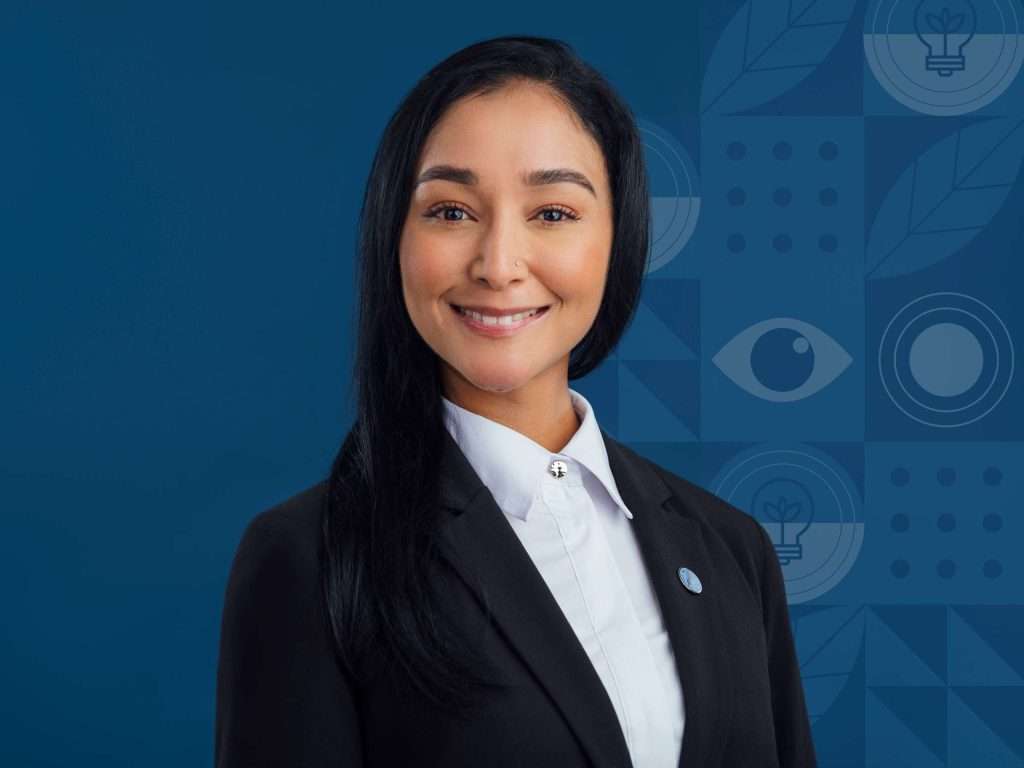
Growing up in the East Rand, Melissa Wilkinson saw first-hand how access to electricity and basic needs could mean the difference between opportunity and limitation. Now as CPO at Pele Energy Group, she’s building talent pipelines the renewable energy sector desperately needs, opening doors for women to lead in spaces that once shut them out – and dismantling barriers with every watt of power generated.
CPO at Pele Energy Group Melissa Wilkinson reflects on her energy-fuelled journey, and why she believes the most powerful energy of all comes from people.
Q: What inspired your career journey into HR?
A: My journey into HR was inspired by a deep curiosity about people and a commitment to fairness. I’ve always believed that behind every business objective is a human story about people striving, evolving and making things happen. I chose HR because I wanted to help shape those stories with intention, particularly in the energy and infrastructure space.
Growing up in a township in the East Rand of Johannesburg I was inspired by the gap I saw between those with access to opportunity and those left in the dark, both literally and figuratively.
My journey in the energy sector began at Eskom, where I gained firsthand insight into the challenges and potential of large-scale electrification in South Africa. I then transitioned into the broader infrastructure industry, deepening my understanding of how energy underpins and intersects with wider development. Years later, joining Pele Energy Group felt like coming full circle, returning to the energy sector with a renewed focus on renewable energy, innovation and driving impact at the last mile.
Energy is not just about infrastructure; it is about people and how they form the backbone of sustainable development. Without reliable, clean energy, communities cannot access quality healthcare, education, or jobs. I realised early on that if I wanted to be part of real, long-term transformation in South Africa and across the continent, energy was the place to start. I knew that as a woman of colour, my contribution could challenge the norms and push the sector towards equity and inclusion as part of its sustainability agenda.
Q: What have been key moments of learning along the way?
A: Throughout my 18-year professional journey, I have realised and continue to realise that HR here is not just about processes and policies, it’s about building capacity for transformation. In this space, you are not only enabling performance; you're helping to drive a national agenda around sustainable development, equity and innovation. This viewpoint has shifted my perspective from transactional HR to truly strategic people leadership.
Q: What does Pele Energy Group do? What does your role entail and how does it feed into the overall business objectives?
Pele Energy Group, founded in 2009, drives structural change through renewable energy and community development. Our two divisions, Pele Green Energy and Knowledge Pele, have been working in synergy to deliver a current track record of over 3.5GW of power and uplifting 10,000+ lives. Together, we integrate clean energy innovation with human and economic development in host communities. This unique model blends environmental sustainability with social impact to power long-term transformation in South Africa and beyond.
In my role as chief people officer, I lead our people strategy, from talent development and organisational design to culture building and transformation. My focus is to ensure that our workforce is not only fit for today’s challenges but prepared for tomorrow’s opportunities. In many ways, my work directly supports the company’s mission to drive a just energy transition by building a workforce that is diverse, skilled and deeply connected to purpose.
Q: What are some of the unique HR challenges and opportunities that come with working in the renewable energy space?
A: One challenge is that we are working in a sector that is still evolving in South Africa. The renewable energy landscape is just over 15 years old in South Africa. There is a shortage of experienced talent, particularly among previously disadvantaged groups and the pace of growth can sometimes outstrip the available skills pipeline.
But that is also where the opportunity lies. We get to build a workforce from the ground up, intentionally. We are not just filling roles, we are shaping careers, building local capacity, and creating access to Stem (science, technology, engineering and mathematics) for youth who may have never seen themselves in this industry. That is incredibly meaningful.
Another powerful opportunity in HR, especially within the renewable energy space is aligning our people strategy with the Sustainable Development Goals (SDGs) being:
SDG 5: Gender equality: We are intentional about creating a workplace where women are not just represented but empowered particularly in technical and leadership roles where they’ve been historically excluded. Our leadership development, mentorship pipelines and gender-responsive policies are designed to challenge the status quo and enable women to thrive in a sector that’s rapidly evolving.
SDG 8: Decent work and economic growth: We take pride in offering more than jobs; we create career pathways. Whether it is through local hiring during project construction, or long-term upskilling programmes we are committed to decent work standards, fair remuneration and growth opportunities for all employees. We also invest in supplier development and local enterprise, multiplying the impact on the communities in which we operate.
SDG 13: Climate action: We embed sustainability into both our business, our workforce and our people understand the role they play in advancing climate solutions, our HR strategy supports climate action through education, engagement and culture. It is not just the engineers and technicians – every employee sees themselves as part of the energy transition.
So when we say, “We don’t just hire; we build futures that last,” we mean it. We’re building a workforce that reflects the future we want to see: equitable, skilled, climate-conscious and deeply invested in transforming South Africa and the continent.
Q: The energy sector hasn’t always been known for female leadership. What has your experience been like as a woman executive in this space?
A: It hasn’t always been easy, but it has been powerful. I have had to prove myself in rooms where people did not expect to see a woman let alone a black woman speaking with authority on workforce strategy in a technical sector. But I have learnt to own my space and bring a different kind of leadership to the table: one that is values-driven, people-centred and future-focused.
I also see it as part of my purpose to bring other women along – to mentor, advocate, and to help dismantle the invisible barriers that still exist in boardrooms and beyond.
Representation matters, but transformation goes deeper. True transformation is about power, access, and changing the system.
Q: How are you preparing your workforce for the skills of the future, particularly with AI and digital transformation?
A: We are very intentional about future-skilling our people. That includes upskilling in areas like data analytics, digital tools for project management and AI-enabled platforms within disciplines. But it’s not just about technology, it’s about cultivating a mindset that embraces change, curiosity and continuous learning.
We drive digital literacy at all levels, from leadership to entry-level staff and integrating digital tools into our learning and development programmes. We want our teams to be agile, curious and ready for change because the future of work in energy is not only about clean power, but smart power.
Q: How do you ensure that purpose and people remain connected as the company scales or enters new markets?
A: It starts with culture. At Pele Energy Group, purpose is not just a slogan on the wall, it is something we embed in our talent acquisition, onboarding, leadership development and community engagements. We make sure our people understand not just what we do, but why we do it and how their role contributes to that bigger picture.
We also create feedback loops through employee forums, culture audits and leadership dialogues, so that as we grow, we stay rooted in our values. Entering new markets brings complexity, but if you have invested in a strong internal culture, your people carry that purpose with them wherever they go.
Q: What HR initiatives have you implemented that you are most proud of?
A: I am most proud of my contribution in leading a public-private partnership that created access to tertiary education funding for over 40 underprivileged youth pursuing energy-related qualifications. These were high-potential learners – top academic achievers – who fall into what we call the “missing middle”: not poor enough to qualify for traditional government aid, but without the means to self-fund their studies.
This project is close to my heart because I know what it means to have potential but face financial barriers that could stop your journey before it even begins. By building strategic partnerships with government entities and academia we were able to design a bursary funding model that is both scalable and sustainable and aligned with national skills development strategies and South Africa’s Just Energy Transition ambitions.
What makes this project successful is that it is not charity, it is an investment in our future. We are not just funding degrees, we are building the future workforce for a cleaner, more inclusive energy sector. Many of the young people who will come through the programme will be engineers, climate analysts, project managers and community energy champions.
This work affirms for me that equity and excellence are not mutually exclusive and that if we are serious about a sustainable future, we must start by unlocking the potential of those who have been historically excluded from it. This project serves as a powerful reminder of what HR can do when it’s aligned with impact and inclusion.
Q: When you're not driving HR strategies, what do you do to unwind?
A: When I’m not immersed in people strategy, I prioritise practices that keep me grounded and connected to myself. I enjoy meditation, it helps me stay centred and present, especially in a role that requires both emotional and strategic energy.
I also love visiting art galleries. There’s something deeply restorative about immersing myself in creativity and expression. Art reminds me of the beauty in perspective – a quality that serves me well both personally and professionally.
And if you’re lucky, you might find me in the kitchen preparing a meal that reminds me of my mother and grandmothers. Cooking is more than a hobby for me, it's a way to honour memory, tradition and love. Those dishes carry stories and preparing them is one of the ways I reconnect with where I come from.