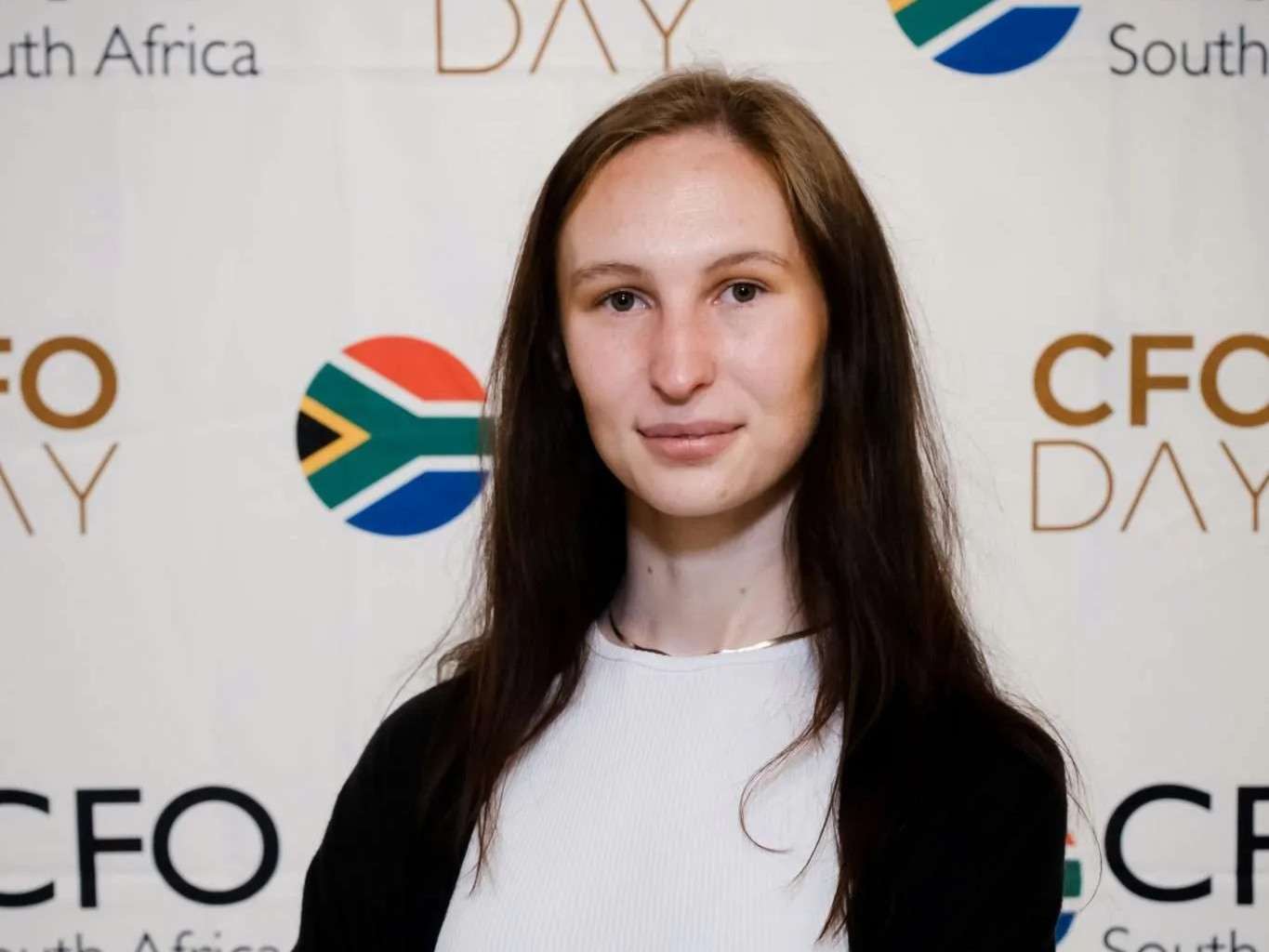


Belief creates belonging, which is the glue that connects you to an organisation and translates directly into performance, LRMG’s Ricky Robinson and conversation strategist Nozipho Tshabalala reveal during an HR Indaba panel discussion.
Belonging plays a critical role in employee performance, retention and overall organisational success. This was revealed during a panel discussion at the 2024 HR Indaba. “The nexus of people’s performance is belonging. It can be the difference between great success and failure. People who feel like they can grow and collaborate with others for impact, will perform,” said panellist Ricky Robinson, founder and CEO of LRMG. Conversely, when they don’t, disengagement and underperformance follow.
To create a sense of belonging among the audience, each received a card with a flower (a “bloom card”) that they could hold up whenever anyone said something that resonated with them.
Ricky then took them through Netflix’s beginning, when its CEO went to a company where employees got everything for free and received lots of incentives (like hot tubs in the office), but its people weren’t really happy.
“People don’t want perks, they want freedom with responsibility,” he added. Bloom cards went up across the room.
The CEO went back to Netflix and came up with a culture document that contained the company’s core beliefs. Ricky explained that they then used this document to measure employees and new hires against. “You need to be clear about what you believe in, because that’s what you will attract when you’re hiring.”
More than that, a common belief creates a sense of belonging, The Conversation Strategists CEO Nozipho Tshabalala said. “Belonging is the glue that connects you to an organisation. Without it, there’s a disconnect to the team, as if we are outsiders to some inside secret that we just don’t know how to crack.”
Again, attendees put their bloom cards in the air.
“When you don’t trust your environment because you don’t belong and can’t be vulnerable, you don’t feel like you can perform, grow or collaborate with others for impact there,” Ricky said, and bloom cards were raised.

The impact of belonging
Nozipho used two examples from her own career to compare what happens when you belong in an organisation, and when you don’t. Starting with the latter, she talked about joining an organisation where she had the qualifications and credentials, but still found herself stuck outside the inner circle. “I should have been able to ask for help with anything I needed, but I couldn’t trust whether that would be interpreted as me not knowing what I’m doing.”
Bloom cards shot up once more, and Nozipho added, “I only stayed for 18 months. “
“When I was an intern in the office of the Deputy President back then, I was reporting to many people. But despite being the youngest, I felt I could collaborate for impact. I did reports and research for everyone and felt my small work mattered in the bigger picture. I felt I could grow there because I could see other people and role models like me. I also had mentors and sponsors – people who were interested in my success,” she explained.
“Because of this early experience of belonging, it’s something I keep chasing over and over again as I go through my career.”
When neuroscientists saw what was happening at Netflix, they came up with the concept of mastery, autonomy and purpose – the “holy grail” over employee belonging. “This means a sense of improvement over what happens, control over what you do, and alignment to the collective vision,” Ricky noted.
“Just because you belong, doesn’t mean that you’re the same as everyone else though,” Nozipho warned. “Sometimes our differences are what makes us belong, because we have something unique and valuable to contribute. Belonging is not assimilation.”
Nozipho then put Ricky on the spot as a fellow leader, asking: “Do you really think CEOs are thinking about belonging as much as they’re thinking about how many sales the company’s made this month, or about strategies to beat the competition?”
He answered no, inviting the HR professionals in attendance to partner with their CEOs and make belonging a strategic conversation, so that it remains at the top of their radar. “Twenty-seven years ago Netflix was listed as an organisation with $3 million. Today they’re worth $250 billion. If they need numbers and performance to convince them, use this panel discussion as an example,” he concluded.