
Measures for employers remain after the lifting of the state of disaster.
Effective from midnight on 5 April, cabinet lifted the National State of Disaster, but some aspects of the regulations passed to mitigate the Covid-19 pandemic will stay in place.
Global Business Solutions HR expert John Botha, says the lifting of the State of Disaster by the president does not mean that employers are off the hook and that there are three core laws that need to be complied with.
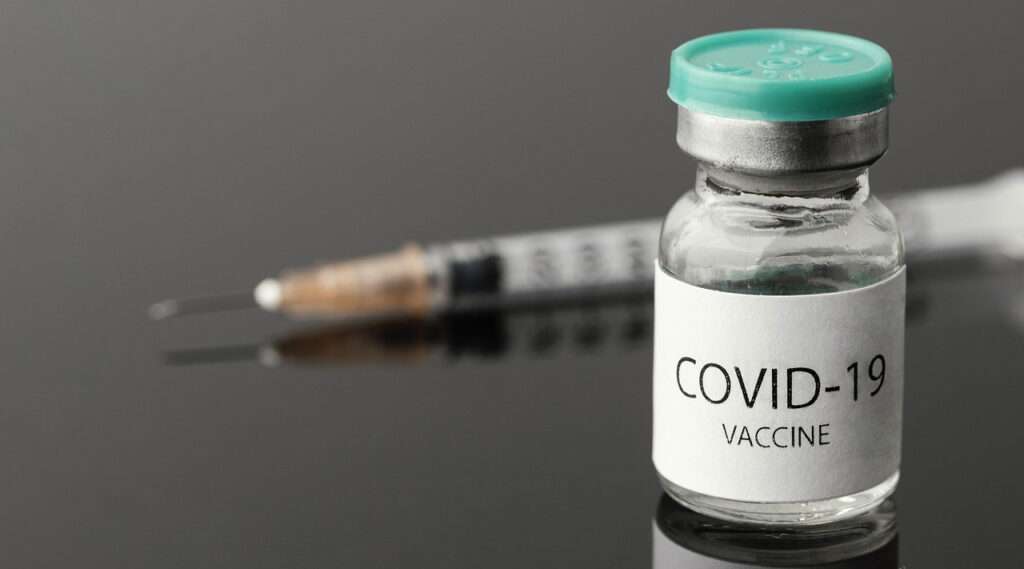
John says the Code of Practice on Managing Covid-19 at the workplace applies immediately and requires employers with more than 20 employees to conduct a risk assessment, design a risk mitigation plan that addresses the potential need for mandatory vaccinations as well as other mitigatory provisions such as sanitation, mask-wearing, social distancing and ventilation, consult on the plan with unions and OHS committees, and implement of the plan.
Further to this, the Hazardous Biological Agents Regulations that have been recently amended need to be integrated into this plan where, for example, the revised definition of “fully vaccinated” now applies. Fully vaccinated now includes the boosters. The third law being finalised is the National Health Act Amendments.
John says, “With the president bringing forward the expected end of the State of Disaster from 15 April 2022 to today (5 April 2022), employers have to take quick action as breaches of these laws hold both potential imprisonment and fines clauses."
In addition, there are significant administrative record-keeping obligations including that Covid-19 records must be kept for 40 years. Employers are now allowed to collect various data fields on their staff including comorbidities and vaccination status, as the code expressly provides for this.
The protections of the POPI Act and the need to secure the data are crucial, John points out: “Given the wording of the law that continues beyond the State of Disaster, there is no doubt that Government views vaccinations as the primary mechanism to protect employees and third parties at the workplace, as employers are required to pursue this if the risk assessment justifies this.”
Despite the lifting of the State of Disaster, masks are still mandatory for indoor public spaces and gatherings are limited to 50 percent of a venue’s capacity provided attendees can show proof of vaccination or a negative Covid-19 test.