


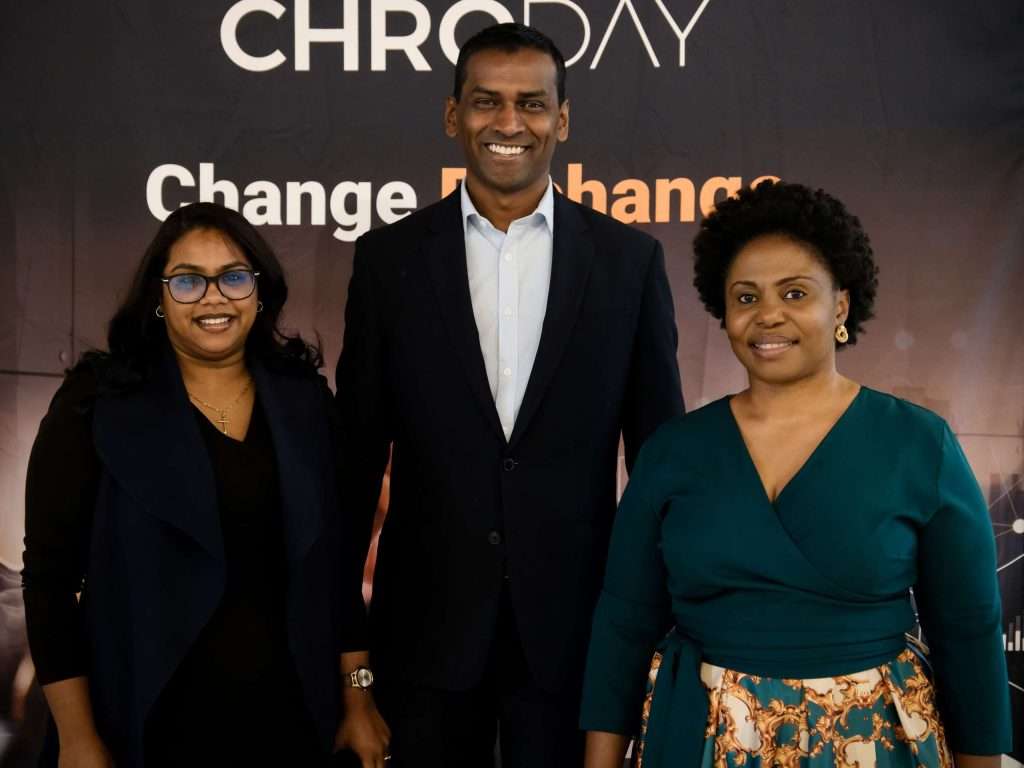
On 28 May HR leaders from across South Africa will gather at the luxurious Marriott Hotel in Melrose Arch for CHRO Day, to share new ideas and talk next-level strategy.
This comes at a time where changing employee expectations, remote work, and AI have become part of everyday vocabulary, so The New Playbook theme couldn’t be more fitting.
Attendees will be treated to a dynamic programme of talks, panels, networking and breakaway sessions.
It will all kick off with Akhona Qengqe, general manager at KFC Africa’s keynote address on exploring the new playbook for breaking barriers, setting the stage for what promises to be an unforgettable event.
Next up is a powerhouse panel featuring Bess Skosana, group HRD and regional talent leader at MTN, S'ne Magagula, CPO at Tiger Brands, and Abdullah Verachia, global strategist, keynote speaker & thought leader.
Breakaway sessions will dive into the most pressing themes shaping the CHRO agenda, such as AI-powered leadership, public-private partnerships, and HR for good.
But this isn’t just a day of listening, but a day for collaboration as well. The day will wrap with brainstorming sessions that will challenge CHROs to reflect on their own leadership playbooks.
After feeding the mind, there will be time to feed your appetite at the Marriott Executive Lunch, as the day will close with drinks and networking opportunities with some of the sharpest people in the industry.














