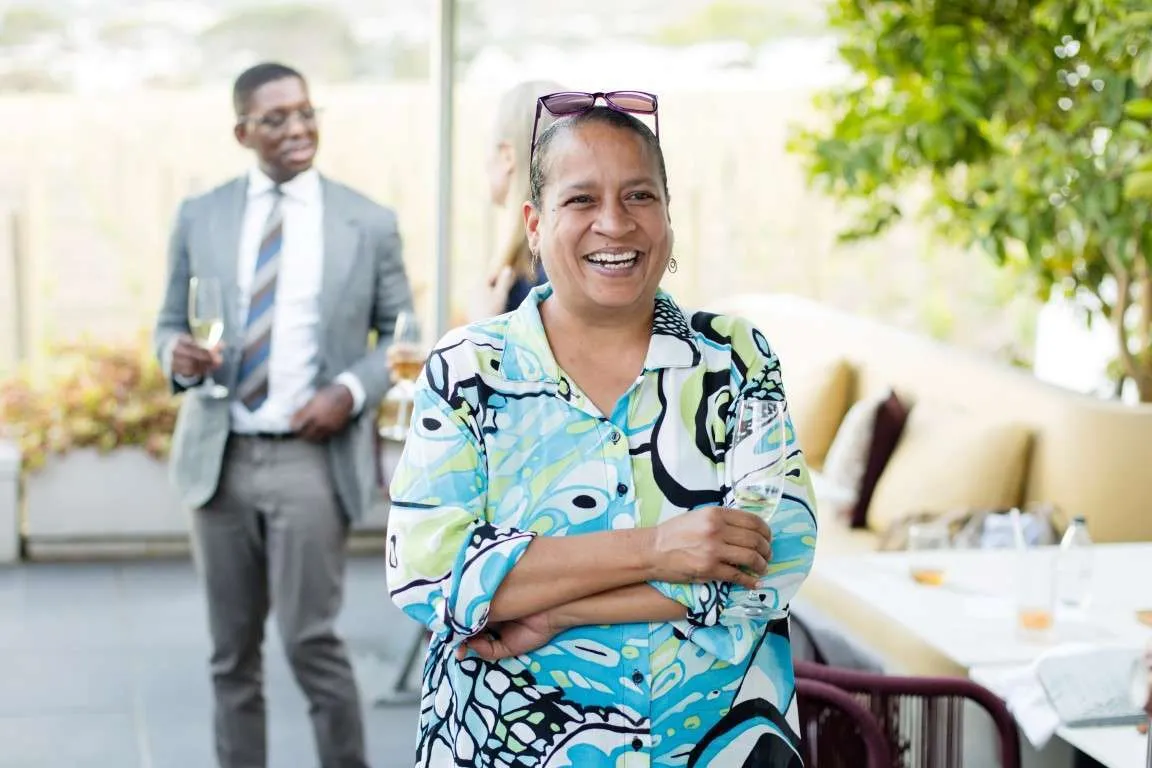

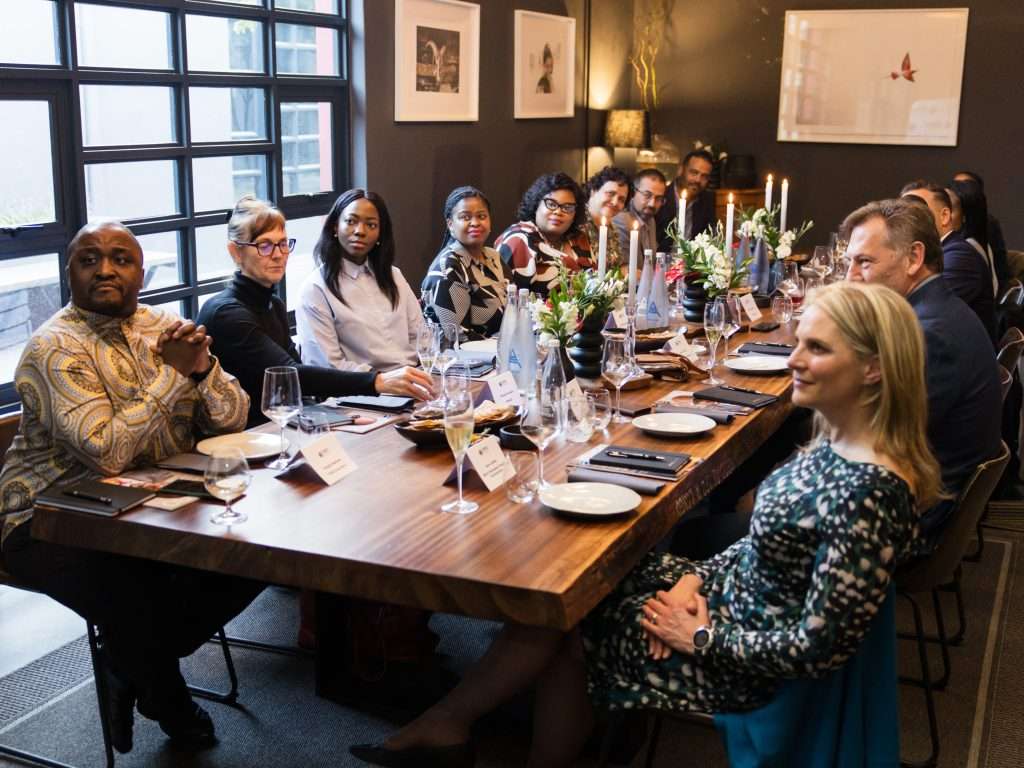
C-suite HR leaders gathered to discuss the profound impact AI and robotics continues to have on HR practices at an exclusive dinner at Table Seven in Cape Town.
Table Seven’s industrial chic venue with its tailor-made menu became a refuge from the Mother City’s blustery conditions on 27 November, where HR executives got into a robust discussion on how AI is and will continue to shape the industry, from talent management to employee experiences and organisational culture.
Hosted in partnership with Workday, the evening kicked off with an ice breaker, asking how attendees would use AI in their own lives. Essentially, if you could have your own AI bot, what would you have it do? The resounding response was to put the bot hard at work, to make more time in the day by sorting daily admin things, such as responding to emails, ensuring meeting schedules are met, disciplining children and even taking over exercise. “I’d duplicate myself … in the form of a hologram,” one quipped. “I’d give my phone to AI, and make it answer every last call,” said another.
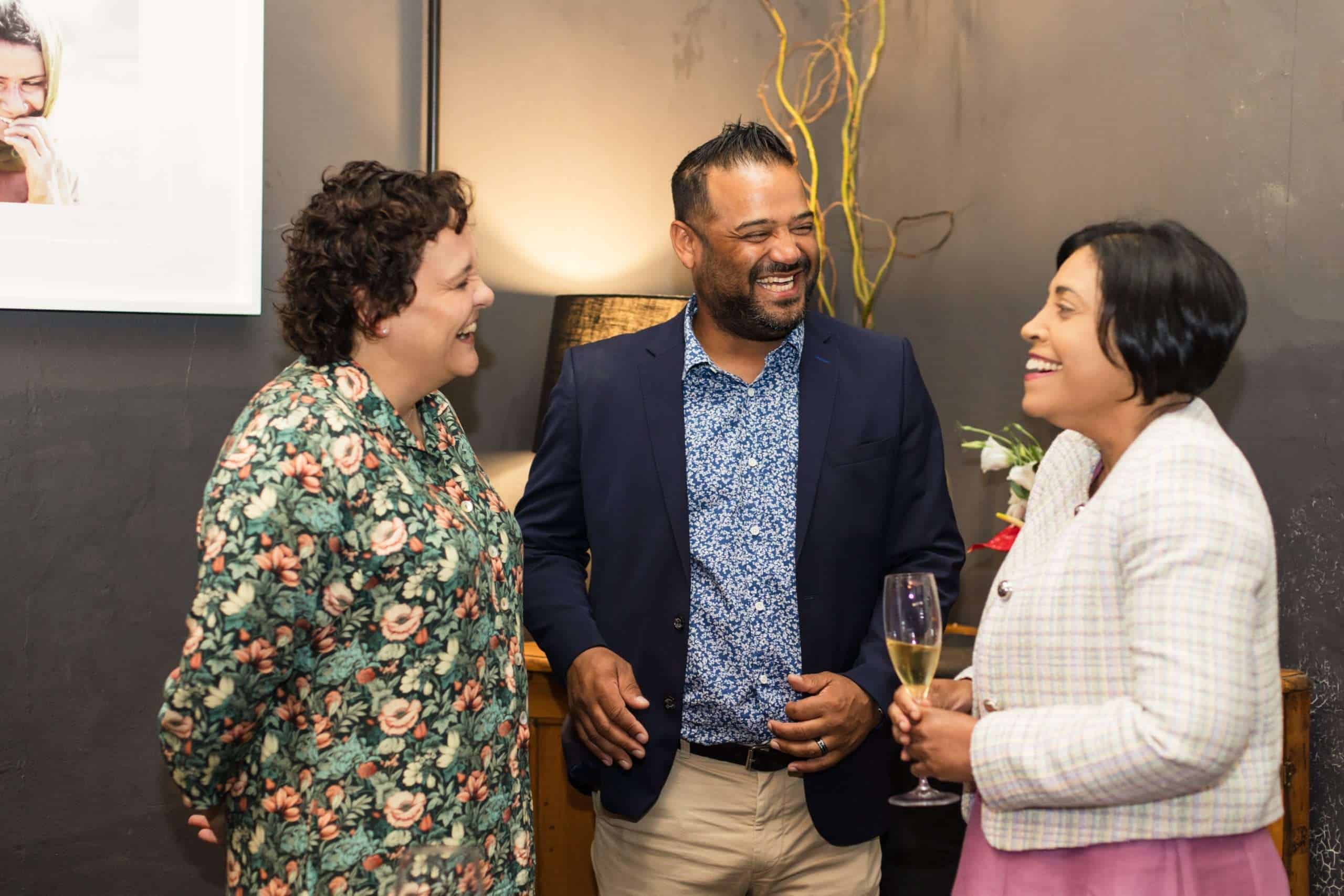
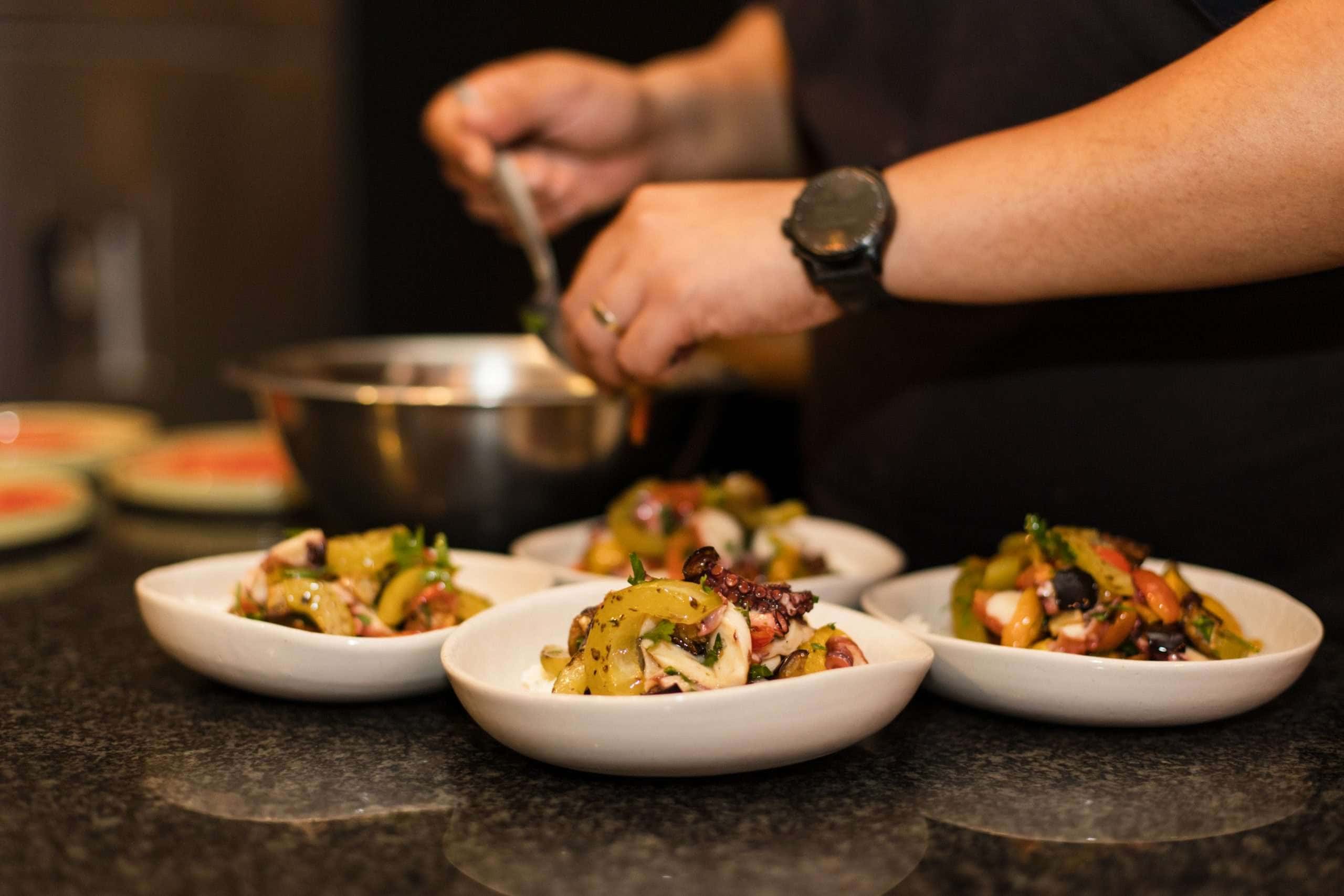
While savouring the delicious starters, the discussion got started in earnest. AI is here to stay and is going nowhere, was the general sentiment in the room, and one’s approach to how it is implemented and making employees comfortable with it remains a challenge for many.
“People experiment and try different things, we let everyone try,” said one attendee, adding that her organisation has built their own AI tool, modelled on ChatGPT “but we think it is better”. She also emphasised that the person in charge is not an engineer, so the language used is one that is simple and easy to understand, and goes some way towards allaying fears that AI will replace people in the workplace.
For some the process has been a mixed bag. “We have been a bit slow in embracing AI data and predictive analytics. We are starting to explore AI in recruitment mostly and we are trying to use it for screening prospective employees.”
There was also a sense that AI should be utilised optimally to take care of the more mundane functions, thereby freeing up employees to do what will stimulate them.
“AI has a place, but that is not to replace the people in the process,” said one of the execs. “We need to reskill our people, give them more purposeful, meaningful work. But this requires support. How do you do that? It is a huge job for HR,” said another. “The humans are struggling with it. They do not want to change their mindset. It is more about human adoption and change management. What are we doing to shift that mindset of holding on?”
Another common thread throughout the discussion was the need to let employees engage and play with AI tools. “Play with it, lean into it. But also allow room for mistakes,” another said, while emphasising that one should not strive for perfection from the get-go.
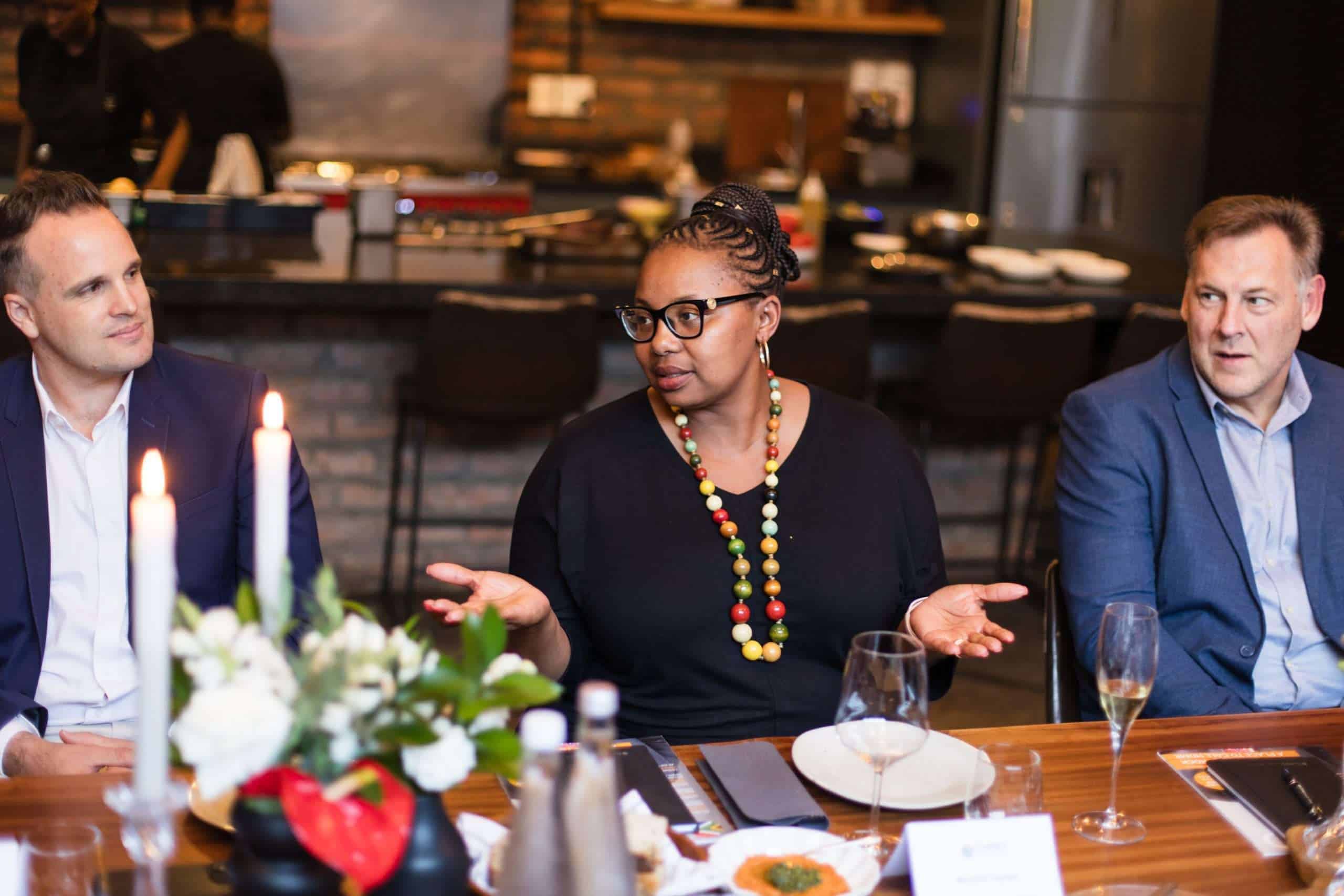
The other question on the table was how to feed the AI beast. “It is important what gets fed into the system,” said one. “We have to teach AI what we want out of it. If we do not teach the model, then how will it learn? Then it is our fault,” another added. “Play with it, do not see it as a threat.”
Another added that while in the long term the use of AI will grow exponentially, companies must be mindful to balance the benefits of machine-learning versus the sometimes prohibitive costs involved. “We will go as far as it is beneficial and cost effective.”
As the evening started to wrap up, the prevailing view was to embrace AI, as it is here to stay. And, also, to be clear and transparent around the message that goes out into the workplace. “It is very early days, and it is really about education and mitigating fears around it. All we can do is try and navigate the space,” was one CHRO’s thought.
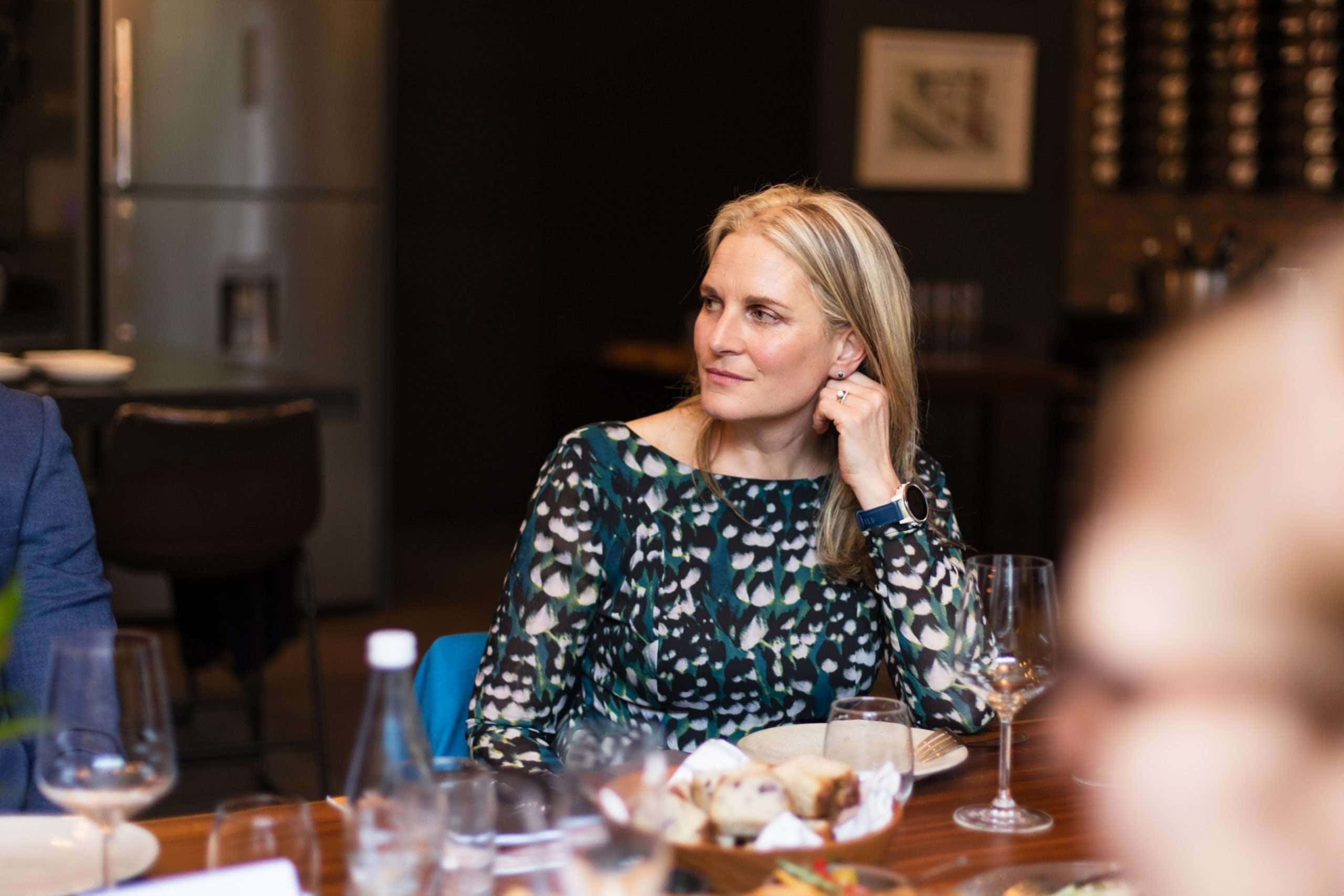
“It is about being authentic and taking the staff on the journey with you. We try and drive consistent messaging. It is about cascading the messaging,” another CHRO added.
The overall message though was one of hope, as well as a sense of community. “A big chunk of the population will benefit from future tech, and there is going to be a beautiful moment when it all comes together,” was one guest’s concluding thought.
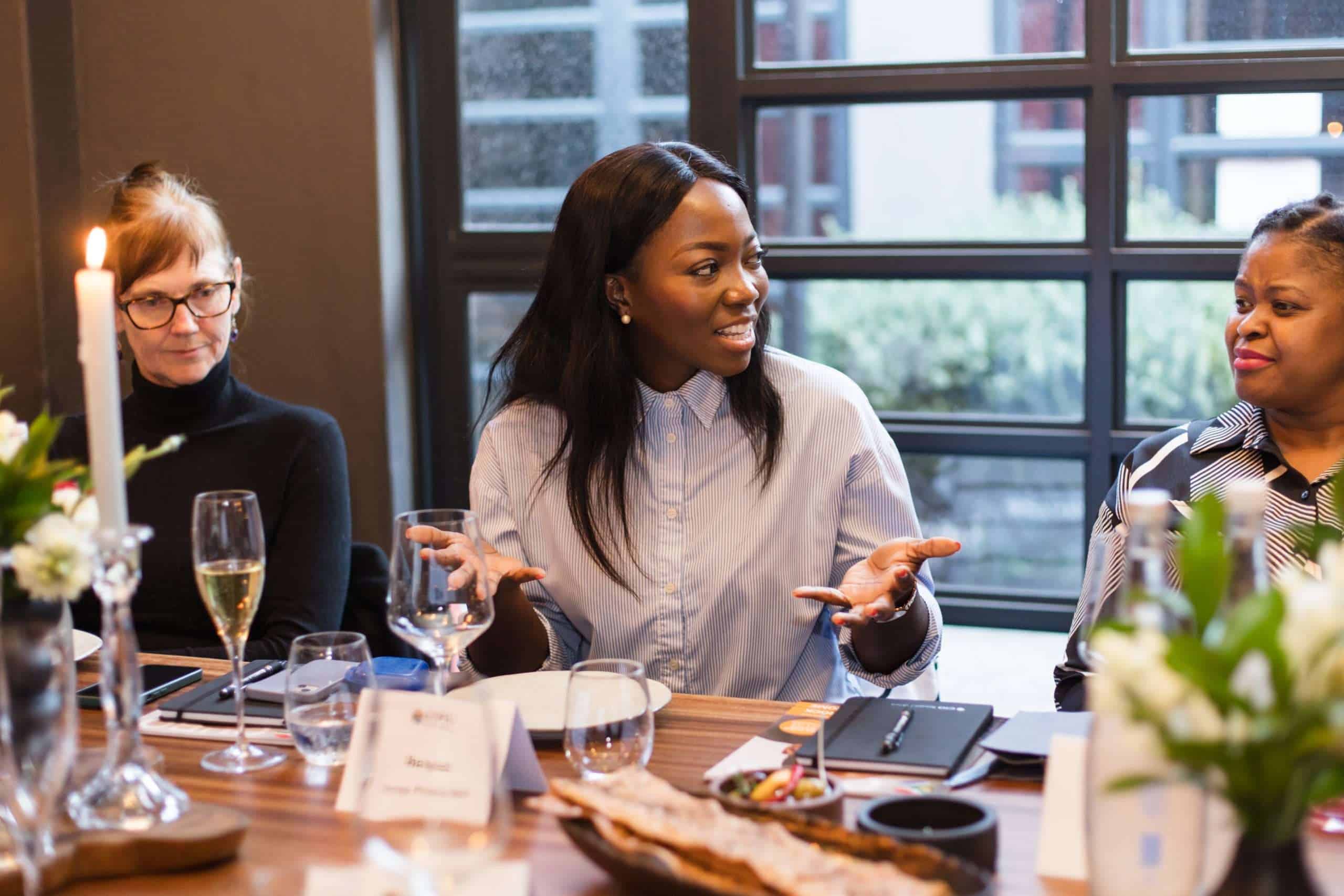
In attendance:
Aba Ayirebi, head of people at Stor-Age Self Storage
Annalize Van Der Waal, vice president of HR, PepsiCo South Africa
Estrelita Moses, senior writer, CHRO South Africa
Gerhard Badenhorst, Principal engagement manager, Workday
Germinah Nyikana, HR executive, Clicks Group
Humsha Ramgobin, group chief HR officer, Mediclinic
Kgaogelo Letsebe, community manager, CHRO South Africa
Laura James, director: people and organisation, Mulilo Renewable Project Developments
Norma Teyise, group human capital executive, Lesaka Technologies
Rea Motshegare, HR director, Scatec
Ryan Rutgers, head of talent, Allan Gray Orbis Foundation
Sana-Ulla Bray, group executive, human capital, Sanlam
Shelagh Goodwin, head of HR, Media24, Naspers and Prosus
Sungula Nkabinde, head of communities, ExecutiveCommunities.Org