
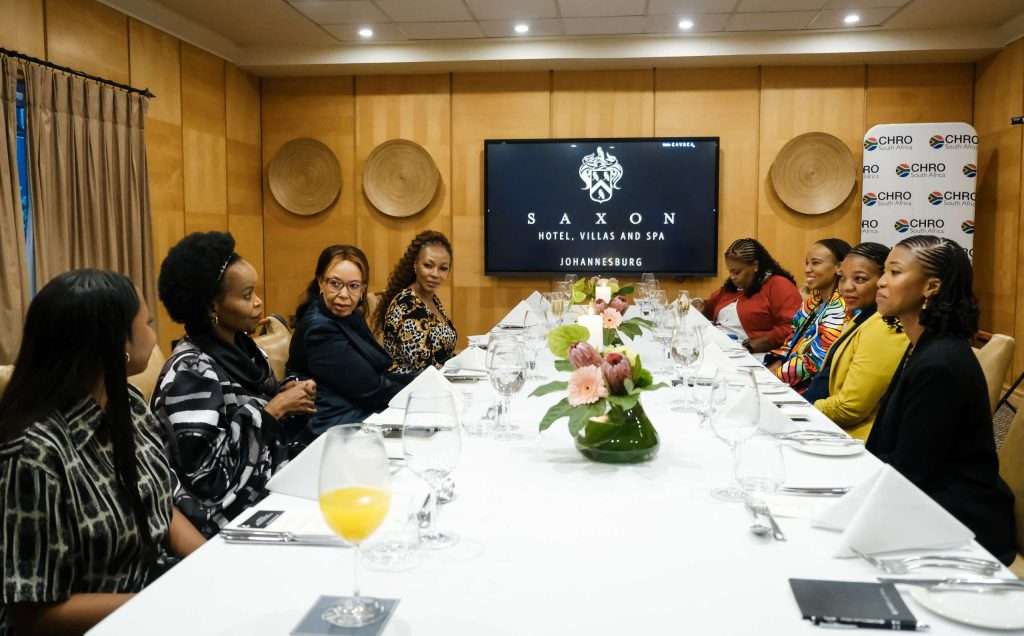
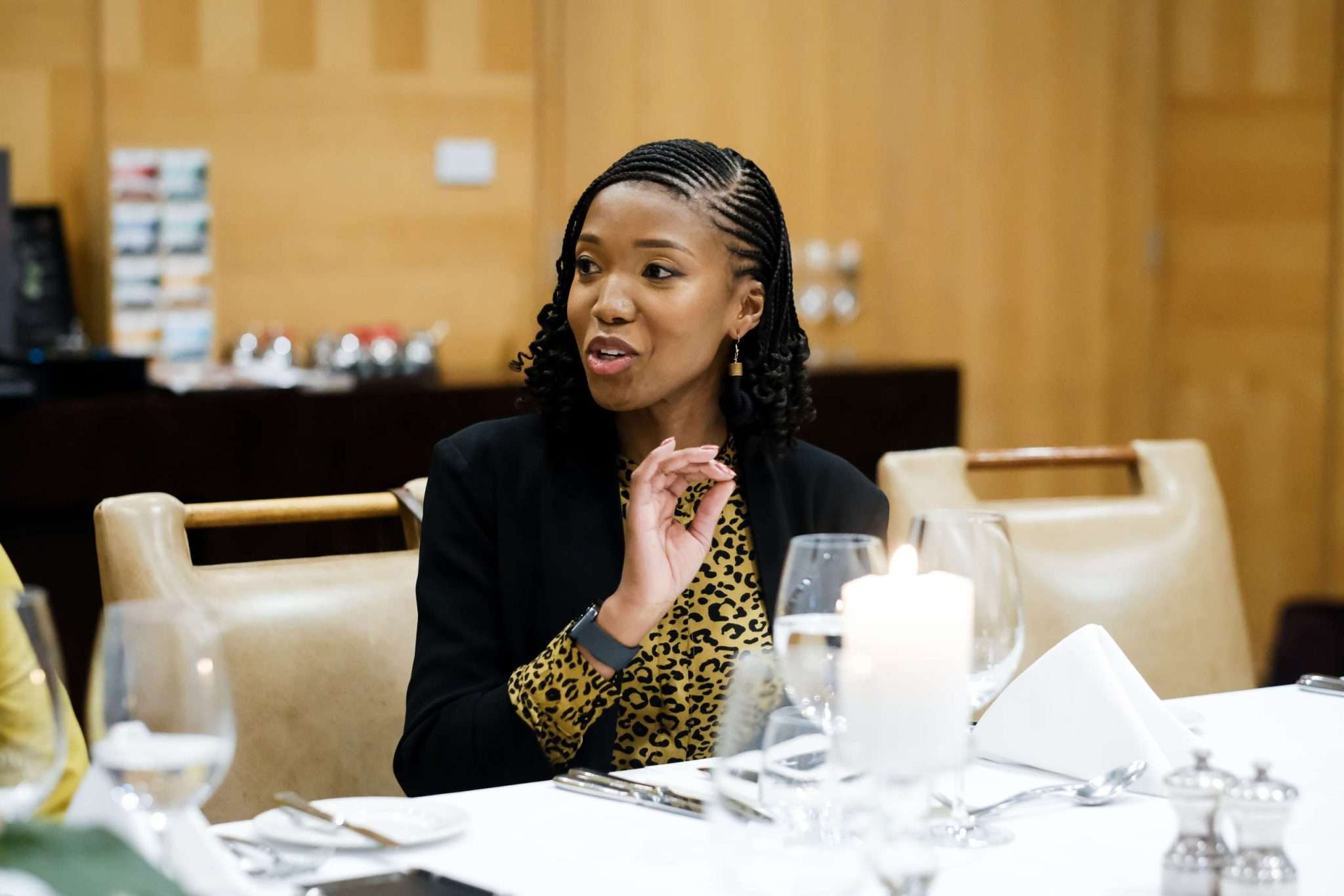
On 19 March, the air at the Saxon Hotel in Sandton was filled with more than just the aroma of a world-class three-course dinner. It was also heavy with the collective wisdom of Mzansi’s top HR minds under one roof.
Hosted in partnership with Old Mutual Corporate, the latest CHRO South Africa dinner brought together HR executives who were ready to peel back the layers of the modern workplace.
The dinner table was set not just with fine cutlery, but also with icebreaker cards with a unique question for each attendee to stir conversation and gently pull them out of their shells.
As napkins were draped across laps, the conversation of the night on wellbeing and the often-overlooked realities of financial pressure, took its seat at the table, revealing how closely these elements are intertwined in the lived experience of employees.
“That’s where we get stuck as HR professionals and managers,” one attendee said. “The trick is empathy, but knowing deep down that you still have to hold the line in such situations.”
Hard to define, harder to solve
That balance between care and accountability became the quiet undercurrent of the evening.
“It’s very tricky,” another HR leader shared. “You see the benefit, the need to collaborate more, create that culture, and be consistent, but now the challenge also includes mental health issues. And what makes it worse is that it’s not always a medical condition you can clearly define.”
The challenge, the group agreed, lies not only in recognising the issue, but in knowing how to respond in real time.
“Managers are not trained to deal with this, but at the same time, we are also not experts, so it becomes very difficult. You see both sides, and you see the effects, but often there are also structural problems sitting at the root of everything,” one attendee noted.
That distinction between individual experience and organisational design lingered as the conversation continued. “I’ve seen people who are genuinely stressed, but it’s also because of not having the right people in the right roles or the right environment. We sit with the tension of asking, is this a wellbeing issue or is this something in the system that we haven’t fixed. At some point, we have to take it back to the human, but also interrogate the environment,” one HR leader said.
“The sad part is that people are resorting to financial behaviours that put them at risk,” another attendee shared. “And it’s not just the individual making that decision in isolation. It affects the family and dependents, while also creating a wider system of pressure around them.”
Another added, “Financial wellness can’t be an event. If you start talking to someone three months before retirement, it’s too late. These conversations have to be ongoing, and they have to start much earlier in a person’s career.”
Appetite for financial literacy
Around the table, there was a quiet recognition that financial stress is no longer something employees leave at home, opening the conversation outward into broader societal realities.
“For every one person affected by financial strain, there are multiple others impacted in that cycle. So when we talk about corporate responsibility, it goes far beyond just the employee sitting in front of you. You’re dealing with families, communities, and broader social dynamics,” an attendee reflected.
There was also growing concern about how easily that strain can be amplified in the current environment. “There are so many ways of bypassing controls,” one HR leader said. “There’s very little regulation in some spaces, access is easy, and before you know it, it becomes a much bigger danger than we think, especially when people are already under pressure.”
As the discussion turned more practical, patterns began to surface, grounded in what HR leaders are seeing inside their organisations. “People’s financial decisions tell you something about the level of pressure people are under, and how they are forced to make decisions in very short windows of time,” one HR leader noted.
Timing is everything
The HR leaders noted that although efforts to respond through financial wellness initiatives are increasing, they are not always landing as intended. What emerged was a clearer understanding that timing matters as much as content.
“If you engage people before they receive the money, you can influence behaviour,” one HR leader explained. “You can help them make better decisions upfront. But once the financial pressure is already there, and the money is already allocated in their minds, it’s much harder to shift behaviour.”
“People are not even budgeting, and part of that is because they don’t see the immediate benefit. It doesn’t feel like it’s helping them in the moment, so we need to rethink how we build financial literacy in a way that actually connects to their reality.”
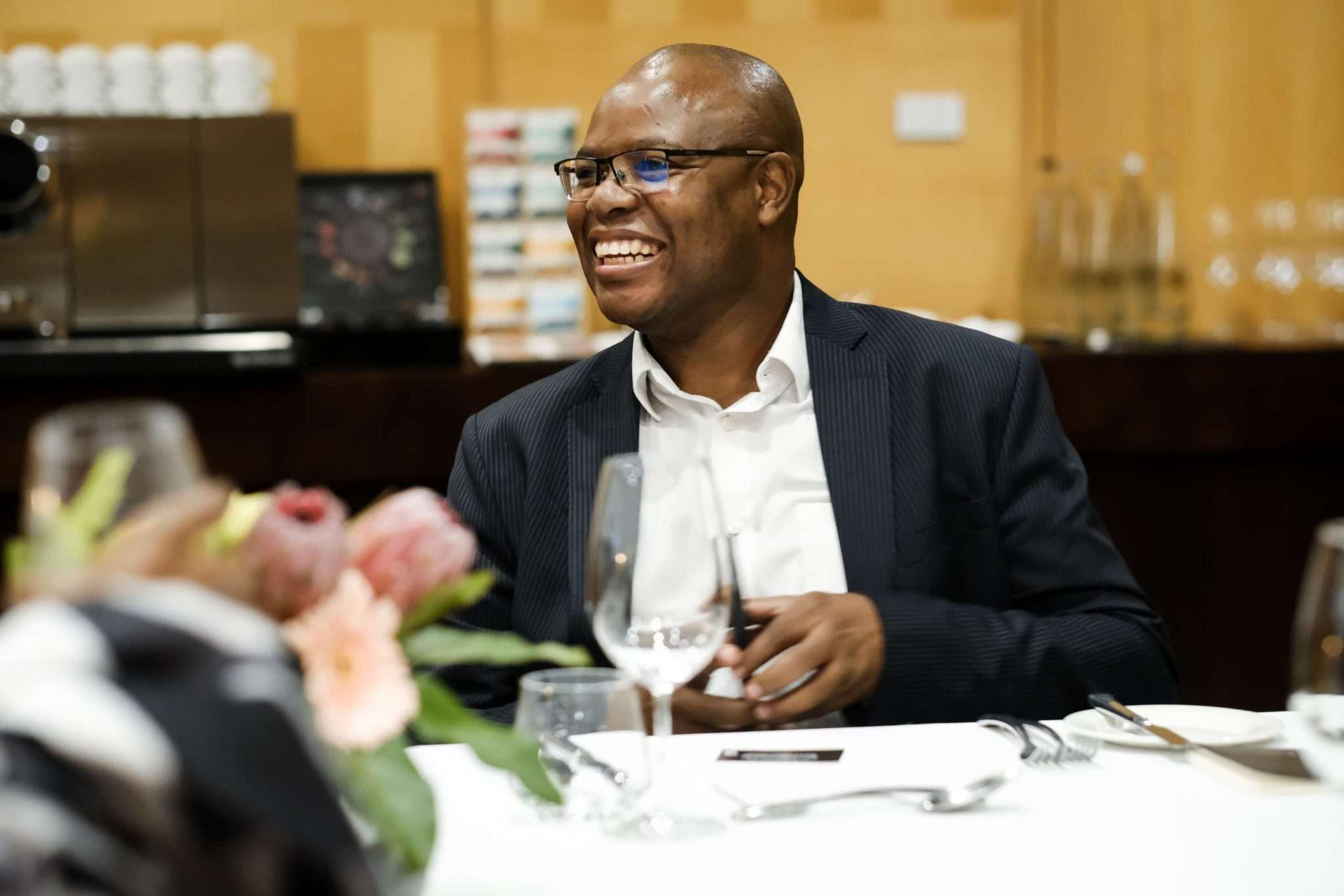
As the evening drew toward a close with dessert, the conversation circled back to where it began, to the tension that sits at the heart of modern HR leadership.
“We want to support people, we want to create an environment where they feel seen and understood, but at the same time we still have to hold them accountable. And sometimes those two things are in direct conflict with each other,” one attendee reflected.
“We have to be more intentional,” one HR leader added. “Not just about what we offer, but how we offer it, when we show up, and how consistent we are in those moments.”
The dinner did not resolve into a single answer. Instead, it recognised that wellness, particularly when intertwined with financial reality, cannot be addressed in isolation, and that meaningful change lies in understanding just how deeply connected these experiences truly are.
Click here to see visuals from the evening and get a glimpse of the elegant setting, engaging conversations, and memorable moments from the dinner.
Those in attendance were:
Blessing Utete, managing executive, Old Mutual Corporate
Kelebogile Dlamini, HR director, SA Weather
KG Bako, managing executive: talent management and transitions, Absa Group
Kgaogelo Letsebe, community manager, CHRO South Africa
Kholo Kunene, Africa HR director, Nissan Africa
Landeka Mashinini, HR director, Isanti Glass
Nikky Bourg, head of people effectiveness and culture, Sibanye StillWater
Sphumelele Khumalo, senior writer, CHRO South Africa
Thabile Makgala, executive vice president: HR and corporate affairs, Sasol
Thakane Mushonga, managing executive, Old Mutual Corporate