
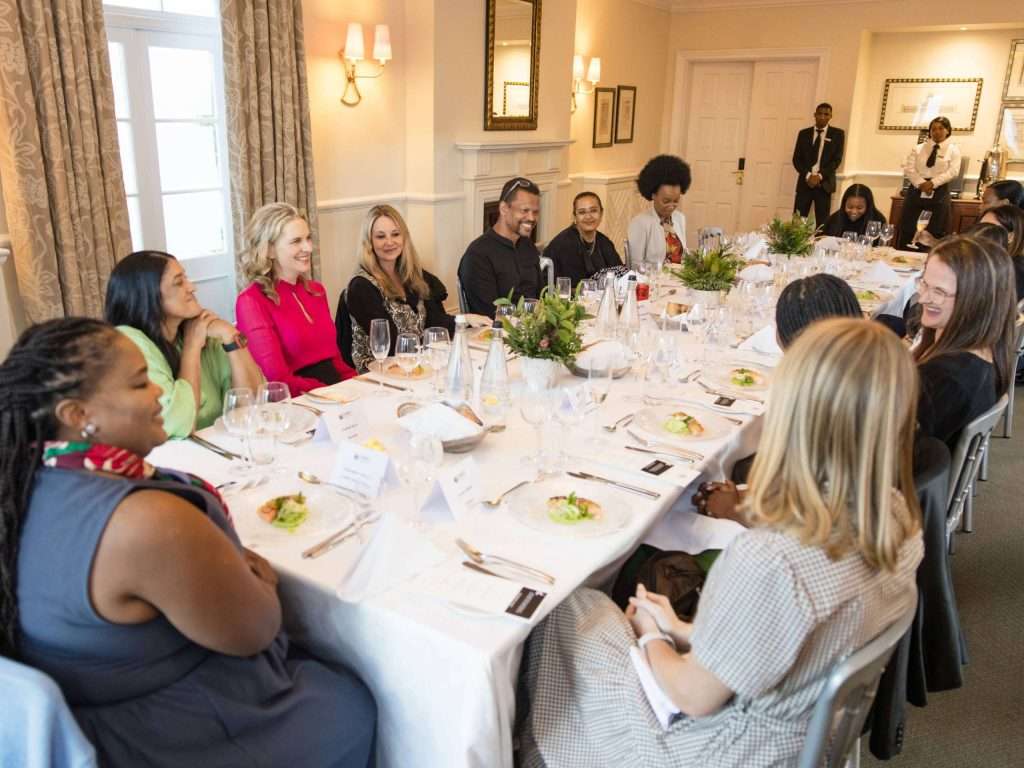
On 26 February, the Mother City played host to HR executives gathered beneath the palm-lined calm and pink facade of the Mount Nelson Hotel for a conversation that unfolded slowly over dinner and lingered long after dessert.
After networking on arrival and clinking glasses, Cape Town’s people leaders took their seats for an evening that blended reflection, challenge and practical problem-solving in equal measure on high unemployment and the skills gap.
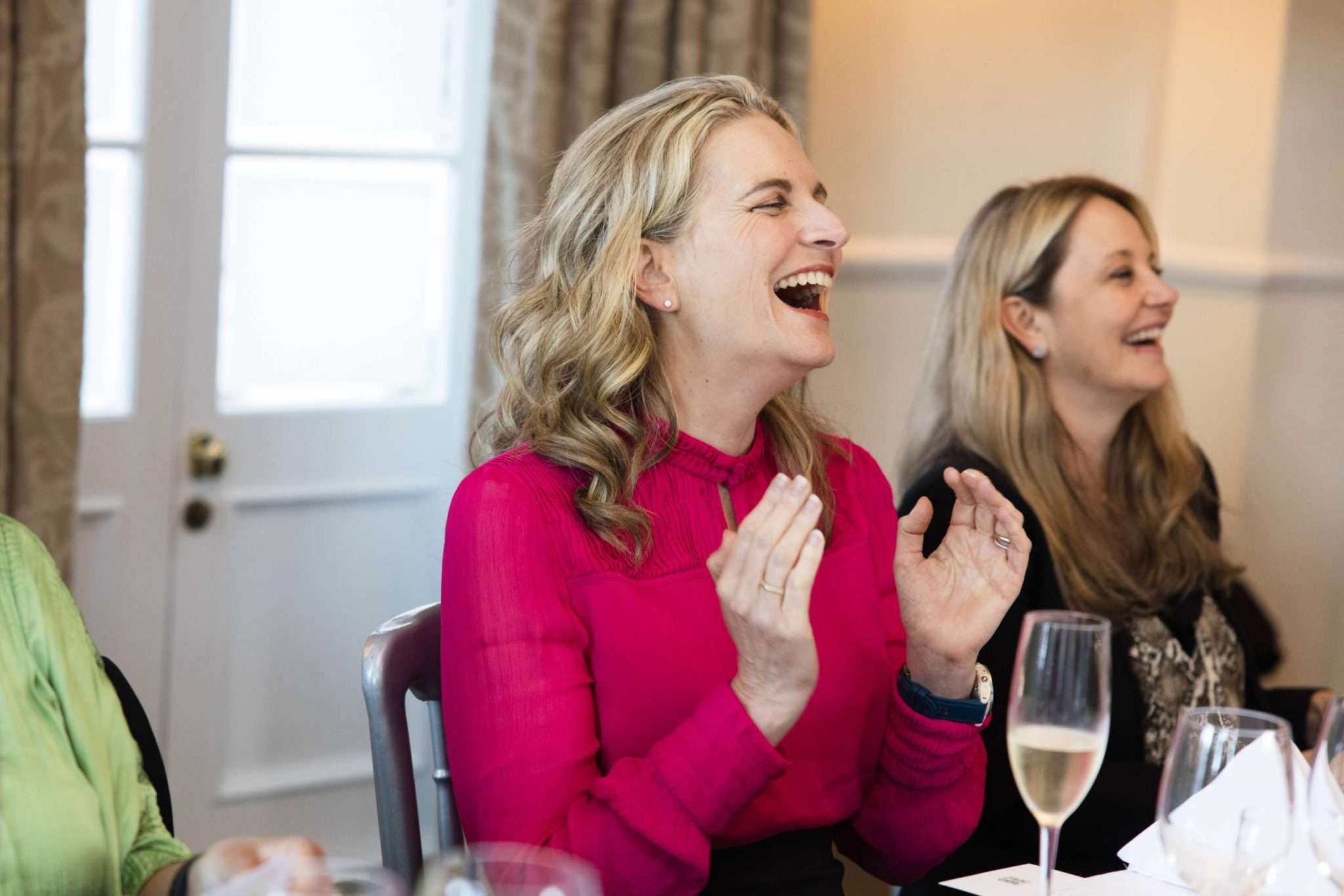
The evening began with a set of icebreaker cards, each bearing a question designed to peel back the professional veneer.
One card asked an HR leader to describe her team as a sport, and the leader chose hiking, which felt particularly fitting for a city defined by its peaks. “We’ve experienced many challenges over the last two years, but what I’ve noticed about our team is that we continue to climb the mountain. Some people fall off the rocks, and some are really strong, but at the end of the day we reach our goal each year.”
As the sun set behind Table Mountain, the conversation shifted to the widening gap between education and employability. “They try so hard,” one HR leader said of graduates. “They go to university and work extremely hard, but by the time they finish and enter the workplace, you ask them a question and they only know the textbook. The curriculum needs to be reviewed to meet the needs and realities of the workplace.”
Skills on trial
Rather than leaving the issue at the doorstep of tertiary institutions, the conversation turned inward, reviewing HR’s responsibility in closing that gap.
“It’s a kind of philosophy that we are the consumers of talent,” one executive said. “All we’re doing is looking at the challenges around skills. That’s all we do. I think the focus of our responsibility year round is that we have to be therapists of that talent, given the South African context. We have to be developers, not just consumers all the time.”
She continued, “We all have graduate programmes and we’re doing internships linked to compliance, so we tick off our SD scores. But don’t just be a consumer. Start being a developer. Be a socially responsible employer. Compliance is important, but it should not be the only driver for the organisation. There needs to be partnerships between universities and different stakeholders to align the curriculums.”
Skills shortages, several HR leaders argued, are not confined to entry-level hiring but are tied to how rapidly industries are evolving. “This is a big issue and it’s not just a human capital issue. Skills shortages are sometimes about looking ahead and asking where we are going. AI and other developments are shaping what needs to happen for the future. It’s not always about graduates, maybe the reskilling needs to focus on the people we currently employ,” one HR leader in attendance shared.
That observation shifted the emphasis from pipeline alone to capability within. It also prompted reflection on hiring expectations around the table.
“As consumers, we want everybody to be ready for tomorrow when they start working, so we reject 99 percent. It’s up to us to change our mindsets around that and start giving inexperienced talent opportunities,” one executive said.
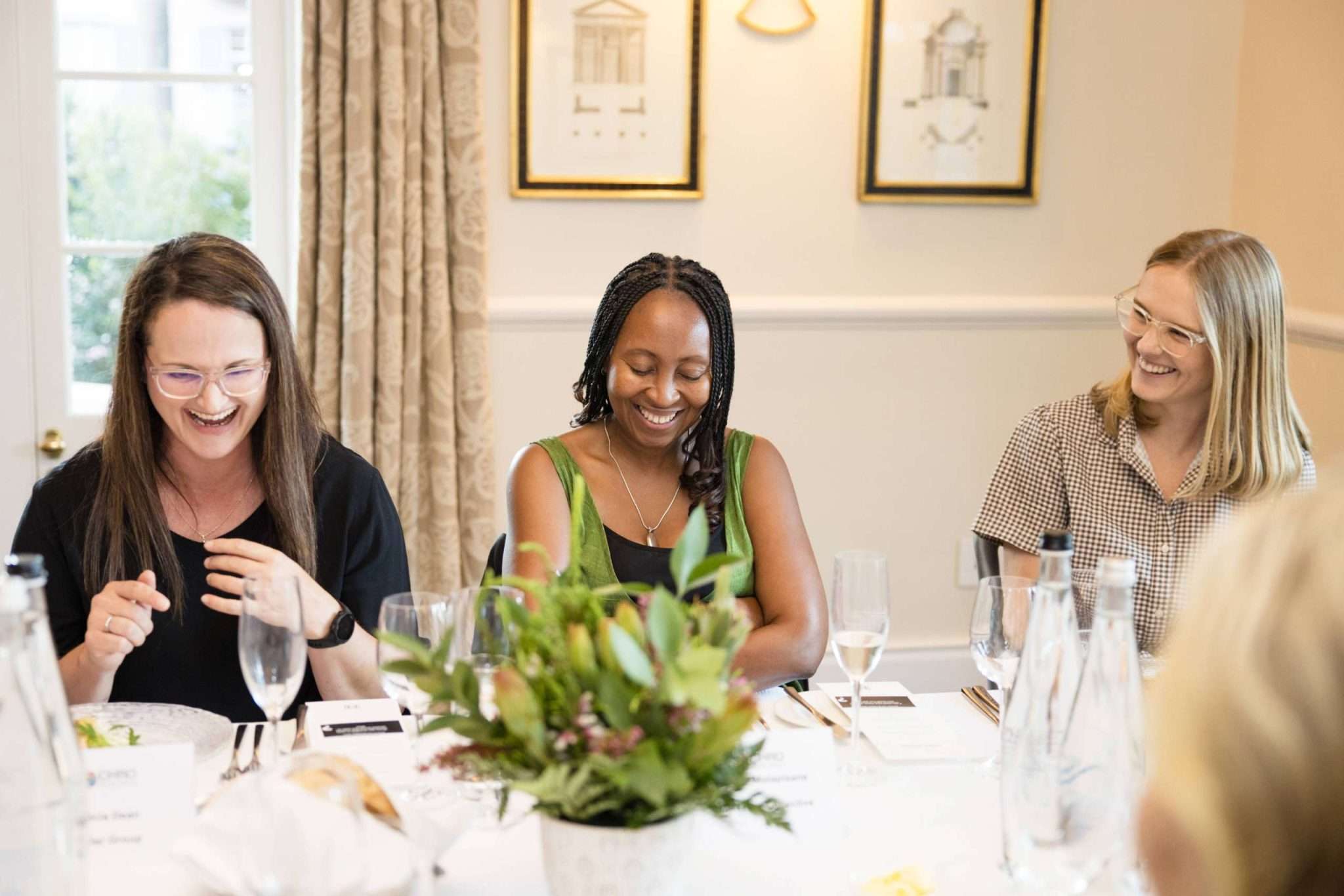
When the conversation moved to TVET colleges and sector-specific training, the critique became more pointed, particularly in industries where curricula have not kept pace with market shifts. “If you look at tourism, local e-hailing is not included. They’re not talking about Airbnbs. The curriculum is outdated.”
Another HR leader interjected stating, “The technical skills are the entry point. The things that make a difference are the non technical skills, in this case entrepreneurial skills. But with the graduates I see, it is the soft skills, grit and communication that are not reflected in the curriculum.”
Moving beyond the textbook
The room nodded as another HR leader reflected on experiential exposure. “In our environment, we support them all the way from primary school through to internship. There is so much potential, so much grit that comes from that, and such a strong hunger to do well. Our job in the system, once they come on board, is to teach the basics they were not taught in school. Our workplace integration programme, which is what we call our internship, is an intimate programme. At the end of it, you feel proud to see that you have contributed to a young person who is then snapped up by Silicon Valley and heads off from a small corner of Atlantis to the world.”
Another leader detailed a structured university-facing initiative aimed at bridging the shock between lecture hall and office floor. “We created a programme called Mind the Gap and opened it up to university students. We use our internal people to offer services. It’s a year-long programme with a detailed schedule. The aim is to expose students to what our workplace is really like, because when they come out of university it can be quite a shock.”
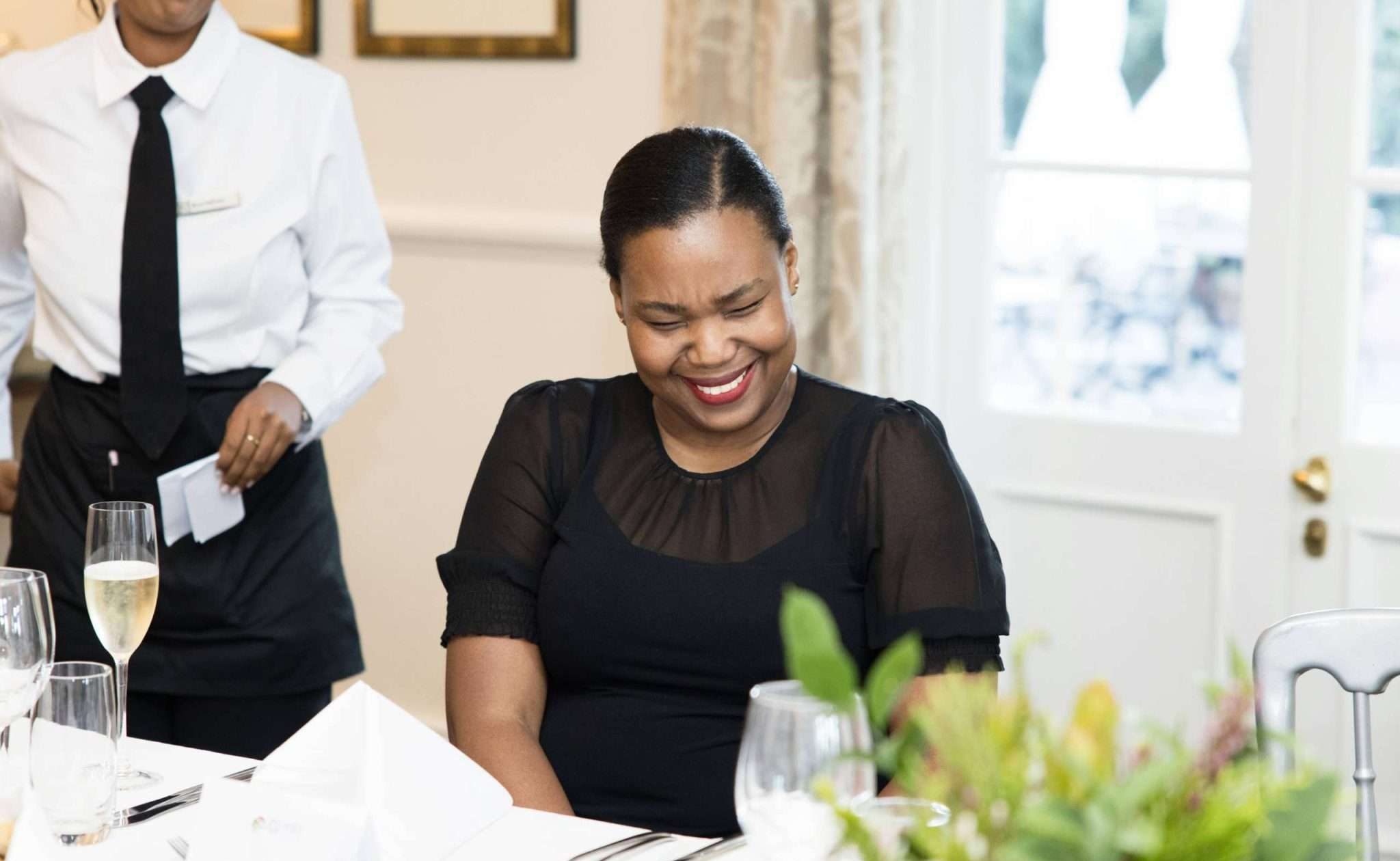
The arc of the evening then bent towards immediate, practical barriers, particularly the challenge of sustaining employment in the first month.”They can only get to work for the first week. After that, they’ve exhausted their network for transport and don’t have a job anymore. I call it the first-month gap. They know they are going to get the job, but they can’t manage because they don’t have enough to keep it,” an HR leader shared.
A possible intervention was shared, grounded in financial flexibility. Employees could receive an advance on the salary they had already earned, taking up to 25 percent, about one week’s pay, to cover transport and make it through the rest of the month. Even so, the room held space for concerns.
Mentorship emerged as one solution as the conversation then flowed into how mentorship and the untapped value of experience within organisations can be beneficial. They emphasised the need to revamp and professionalise the approach, making it almost like coaching. They pointed to those aged 60 to 65 in the workplace as potential mentors, noting that at this stage they are not worried about someone being better than them.
The night also ended with a call for companies to stop working in silos. “Some organisations have been doing certain things for a long time and are very good at them. If they identify a need, we can then scale those programmes and make them bigger,” noted an HR leader.
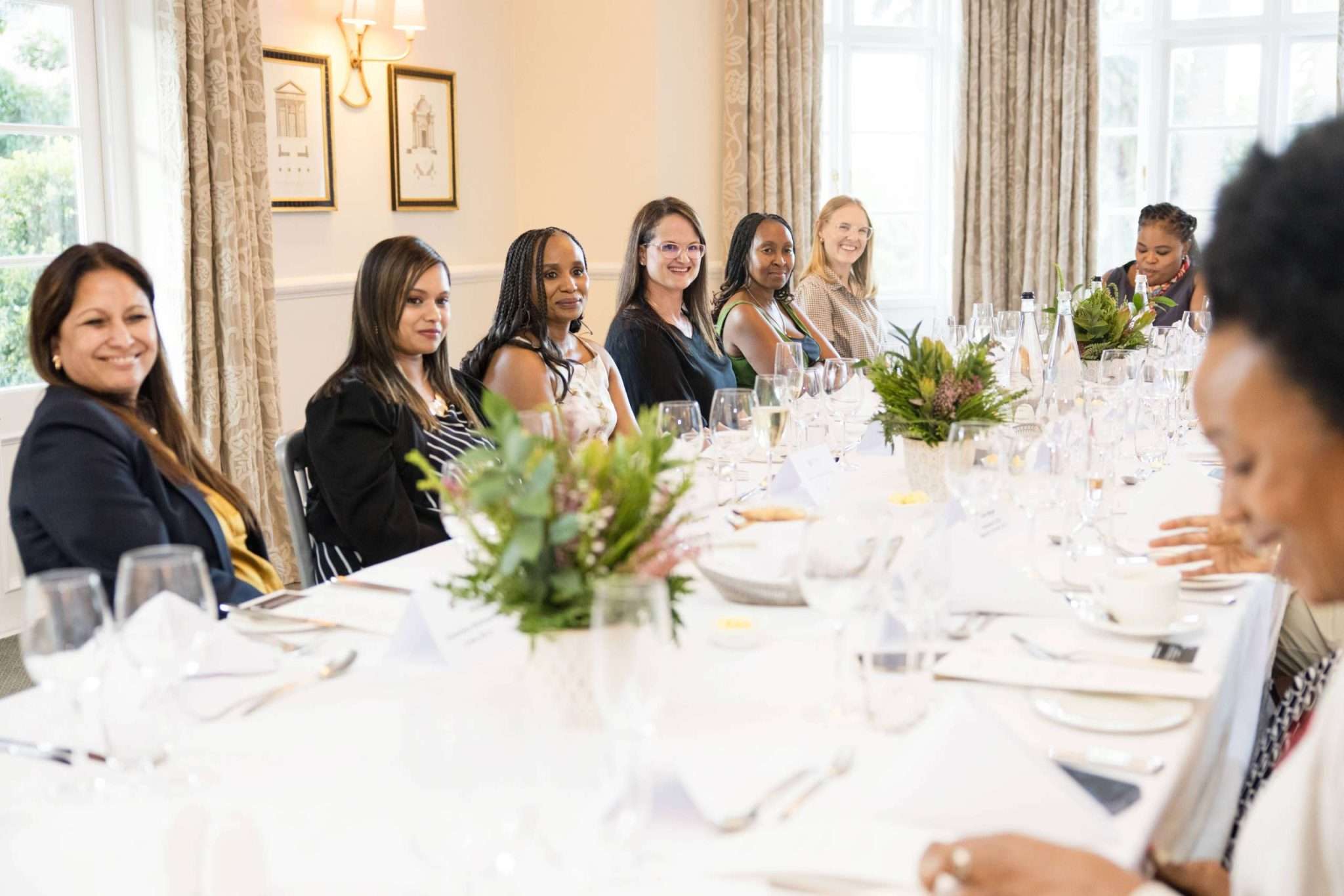
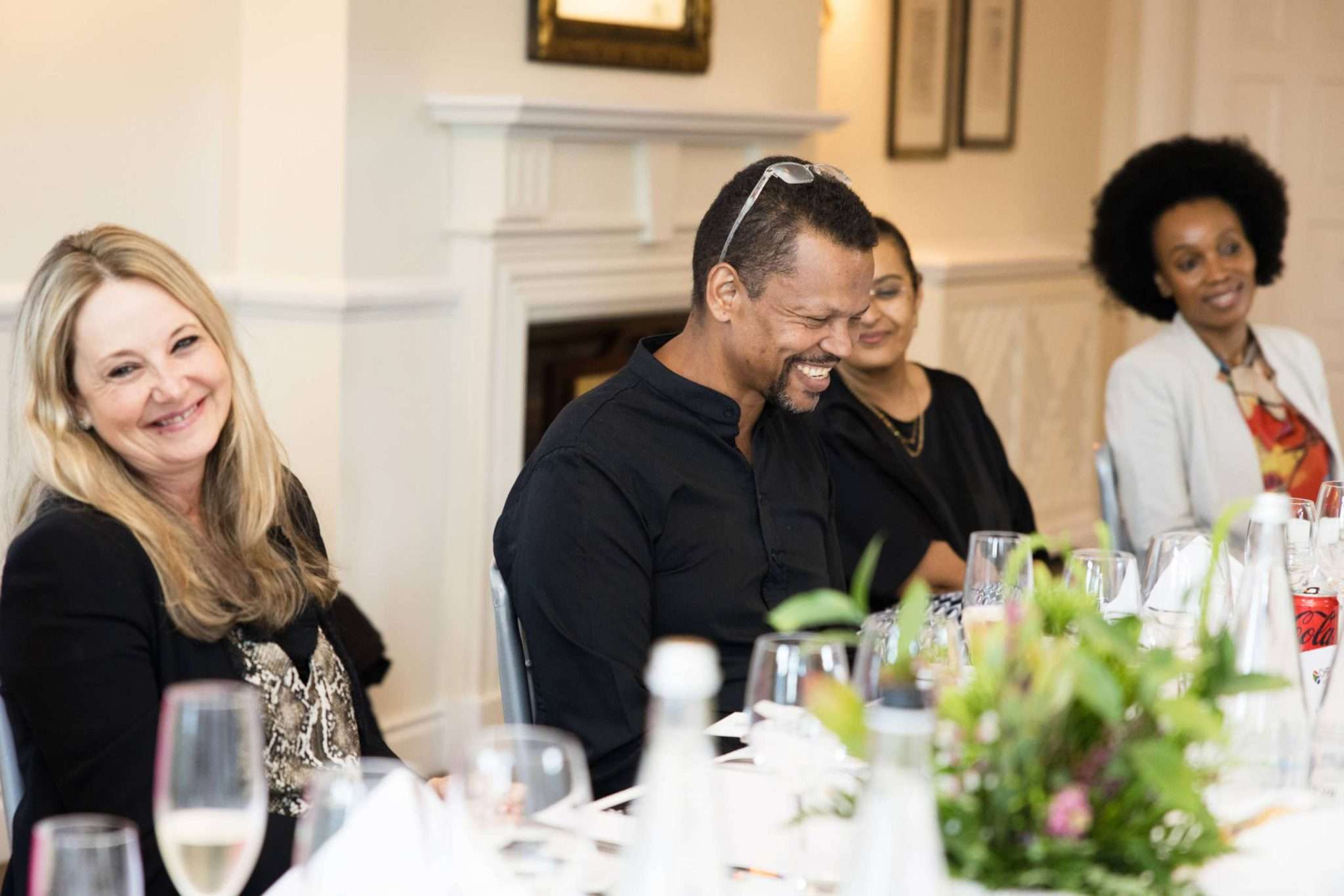
Around the table, heads nodded as the dinner did not just end with dessert and a neat conclusion or a single solution. What it did produce was a room of HR leaders willing to interrogate their own paradigms, question long-held assumptions about degrees and readiness, and admit that while the system is complex, their influence within it is significant.
As one executive put it simply, “While it is not entirely up to us, we have such a huge role to play. I think it’s important that we don’t underestimate the influence that we have.”
Click here to see visuals from the evening and get a glimpse of the elegant setting, engaging conversations, and memorable moments from the dinner.
Those in attendance were:
Alicia Dean, executive head of HR and group services, The SOLA Group
Bridgett Makhura, CPO, Clicks Group
Chantal Syce, head: group talent & people development, Sanlam
Dineo Sekwele, chief people officer, Ninety One
Eswhin Booysen, CHRO, in2food
Kelly April, acting Head of HR, Coronation Fund
K-Lee Jubber, HR and talent lead, Octoco
Kgaogelo Letsebe, community manager, CHRO South Africa
Laura James, director: people & organisation, Mulilo
Leigh Adams, chief people officer, Shoprite Group
Natalie Zschokke, head of recruitment: Africa, Ninety One
Siyasanga Tetyana, HR specialist, Atlantis Special Economic Zone
Sphumelele Khumalo, senior writer, CHRO South Africa
Taruna Ragubir-Gujraj, HR business partner, BAT
Thabile Molapisane, CHRO, Amathuba Collective