
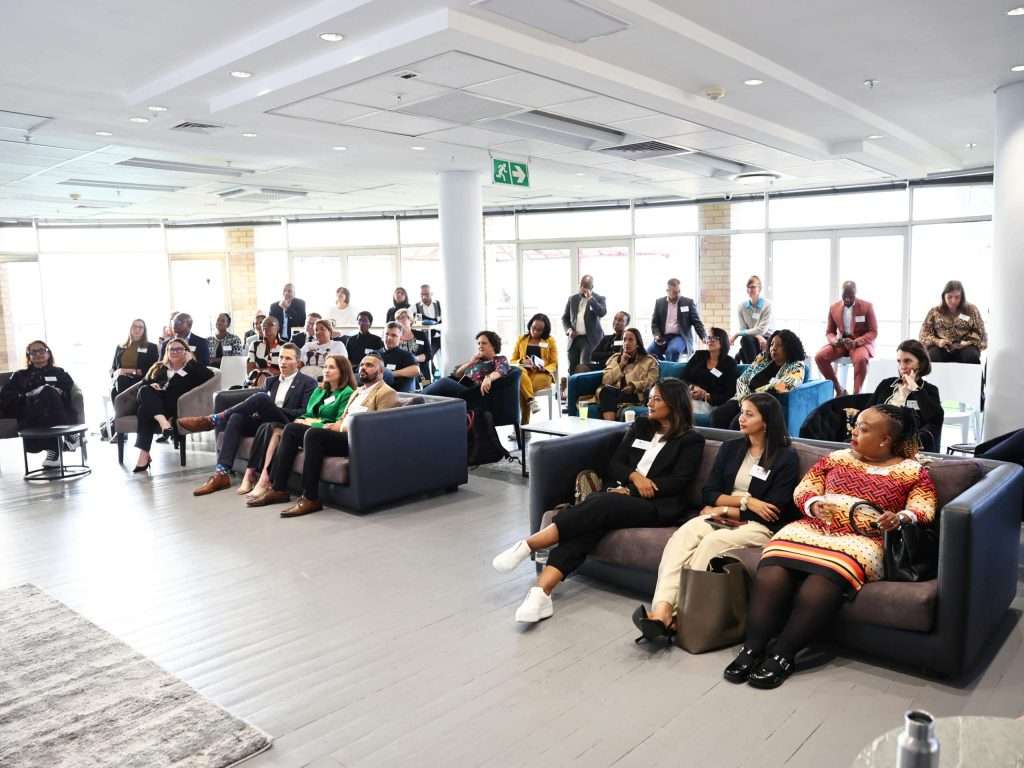
HR leaders gathered at the CHRO Radical Inclusion Summit in Cape Town on 9 April not just to talk about diversity, equity, inclusion and belonging (DEIB), but to explore ways to interrogate its true purpose and impact in the workplace.
Against the breathtaking backdrop of Cape Town, conversations got real and deeply necessary, as HR professionals networked, sharing lessons, failures, and bold strategies for building workplaces where everyone feels seen, heard and valued.
Kicking off the evening was a provocative deep dive and interactive forum led by DEIB expert Roy Gluckman, who wasted no time moving the conversation from the intellectual to the deeply emotional.
His opening words cut straight to the heart of workplace culture today: “Belonging is about breathing. And right now, too many people in our workplaces are holding their breath,” he said.
One of the most profound insights he shared was how performance is not just about technical skills but also about the environment in which people work. According to him, true performance is unlocked when individuals feel safe. “At the end of the day, you want everyone in your organisation to show up and perform at their best. How do we make that happen? By ensuring people feel safe: physically and psychologically safe.”
“Psychological violence creates insecurity: Am I enough? Is my voice valuable? We internalise our own not-enoughness.” This emotional toll, he said, makes it even more difficult for individuals to perform at their best and impacts their ability to thrive in the workplace.

Roy also highlighted the importance of both individual and collective components when it comes to fostering team effectiveness. “Safety is not equally available to all of us, and we need to start to understand that, especially in the organisations we work in. It’s about creating an environment where people can perform at their best, and that requires understanding the deeper, often invisible barriers that prevent people from showing up fully.”
The summit followed with a fireside chat that involved Old Mutual CPO, Anusuya Govender, who unpacked how true DEIB should not exist in isolation but rather be embedded in every human capital process within a business.
“What we’ve done is include DEI as a part of everything we do in human capital, whether it's how we recruit, how we engage with people, how we think about psychological safety, culture, et cetera. Perhaps a more practical way of doing it is making sure that it’s ingrained in how we operate, rather than just focusing on the intention of learning programmes.”
Regenesys CEO of corporate education Nishen Munnisunker, who was part of the fireside chat with her, agreed, highlighting that radical inclusion requires a fundamental shift in behaviour, not just policies or statements.
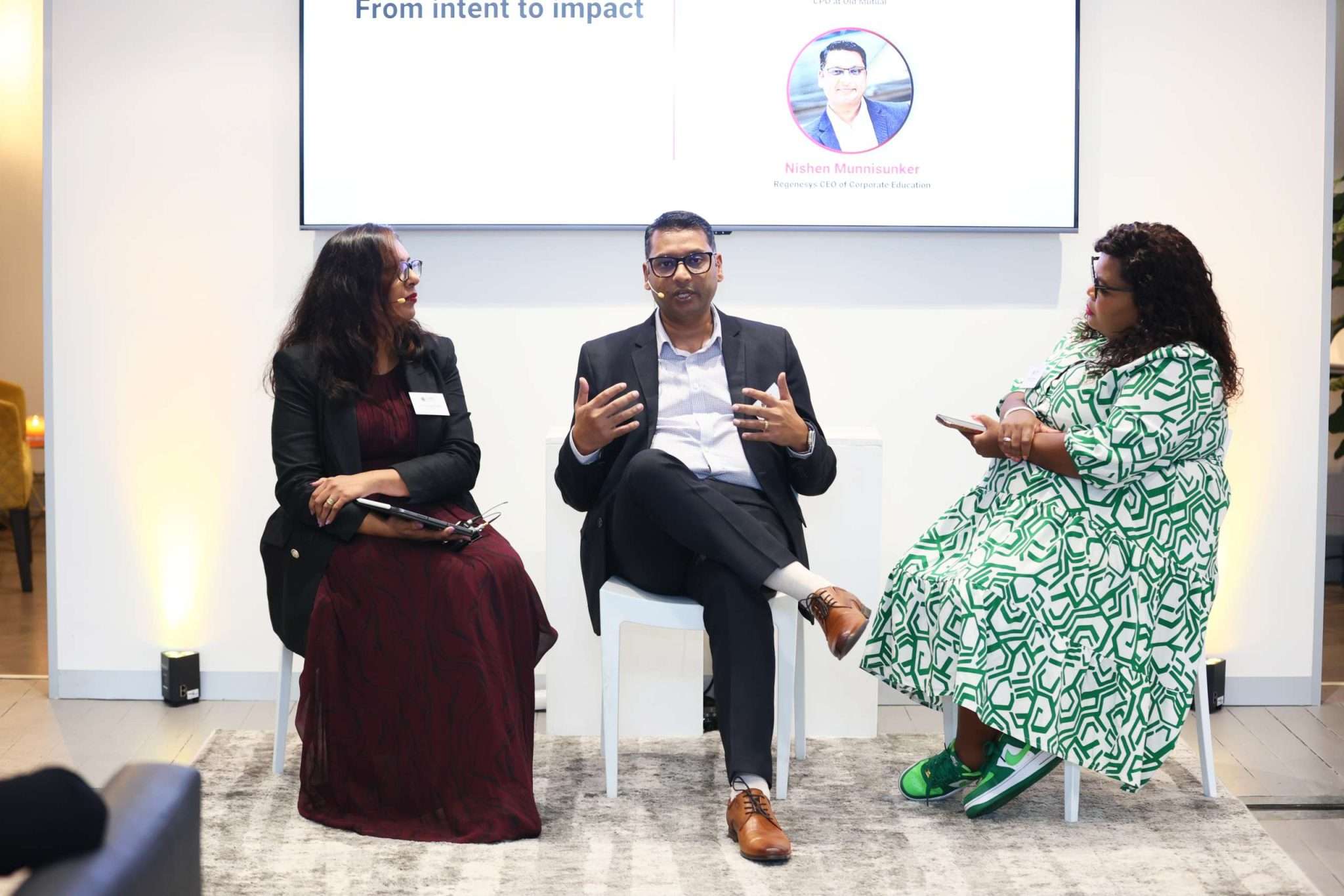
“Radical inclusion is all about changing the behaviour so that it actually becomes part of the behaviour and normalising the new norms. You normalise that it's part of the processes, part of the culture. You wake up and you do it without thinking about it. It's just something that becomes part of the values of the organisation, the strategy of the organisation. It’s the direction that you’re heading in which is then enabled by the entire organisation itself.”
The evening also featured an insightful panel discussion, where Andrew Milson, sustainability & people director at Food Lover’s Market, mentioned how driving DEIB impact requires moving leaders from operating only from their heads, focused on metrics and shareholder return, to leading from their hearts.
“We have to be honest about how sincere we are about values because when values come against investor shareholder return, who’s going to win? So be honest, understand people and then really support the board to move into their hearts and to move from their head into their hearts and speak to their hearts,” he said.
Reabetswe Motshegare, Scatec ASA HR director for sub-Saharan Africa, didn’t hesitate when asked about the importance of measuring belonging in the workplace and why it can’t just be about numbers on a scorecard.
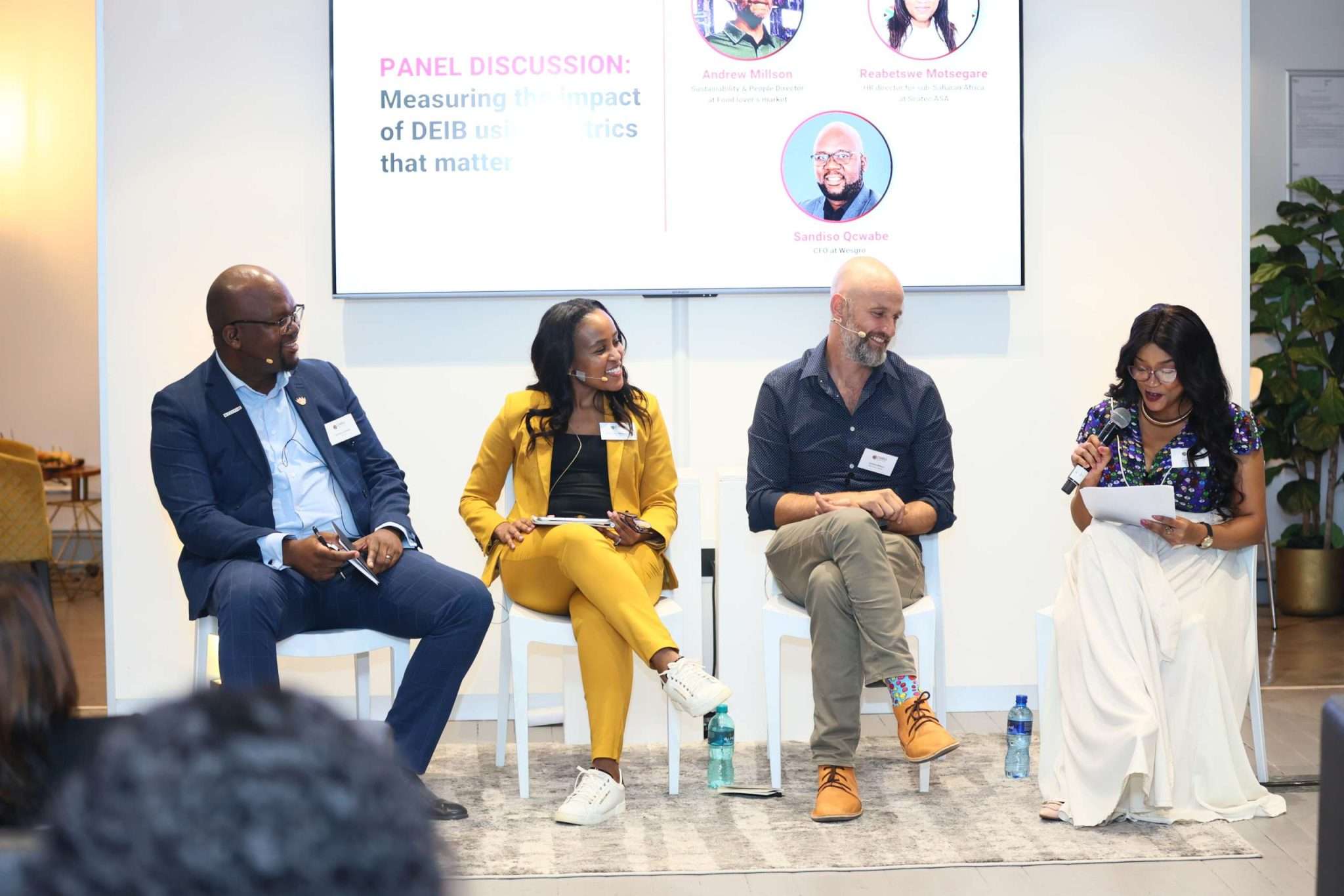
She shared a powerful analogy from one of her mentors to explain the difference between inclusion and belonging. “Being invited to a party and getting an invite is inclusivity because everybody’s coming there. But belonging is getting to the party and dancing like nobody’s watching.”
“One of the challenges we had in the last few years is around retention. They were saying, well, we’re getting good bonuses; the environment is great, so why are we not retaining people? Because people don’t feel like they belong. Up until that time we measure belonging, then maybe the retention will improve. That's why belonging is so important.”
Sandiso Gcwabe, CFO at Wesgro concluded with his commitment to shaping a holistic approach to business, particularly in collaboration with CHROs to drive collective success.
“If we only look at metrics from a numbers perspective, we don’t understand that the true value we create lies in some of these things we want to cut when we look at budgets,” he said.
“You don’t win just by having individuals. It’s how you enhance the connections between the individuals, bring them into a team that’s behind one vision, and make sure that you enhance the connections, the multipliers, which is culture. Thus, it’s important to take into account both the numbers and the people behind the aligned vision.”
The CHRO summit was held in partnership with Old Mutual, Regenesys, Discovery Limited, Jem, LRMG, Workday, Ayanda Mbanga Communications.