
The HR community delves into practical ways to eradicate bullying from the workplaces and how best to create psychologically safe workspaces.
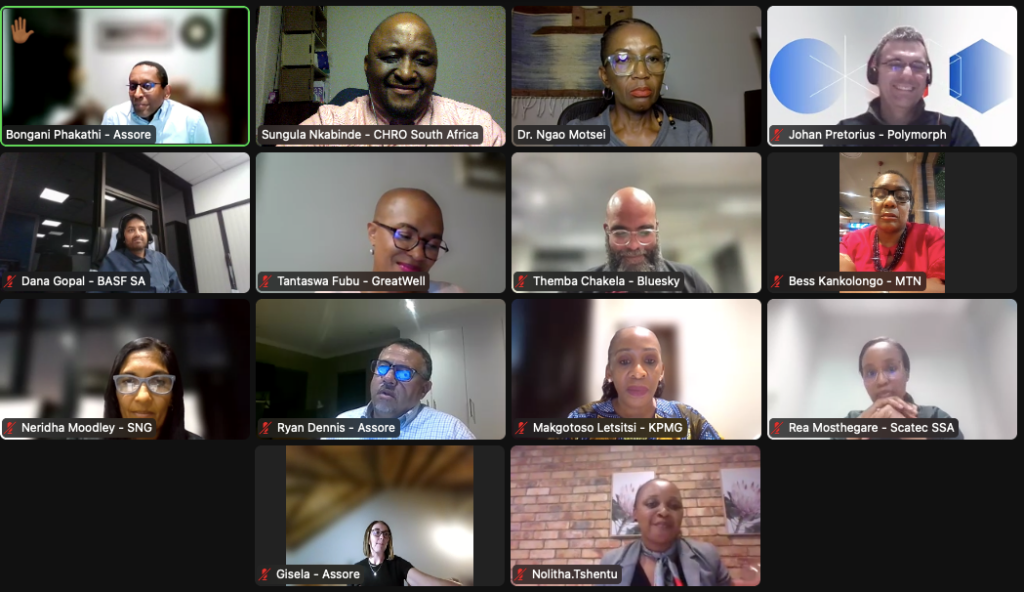
During the recent CHRO Community Conversation, author, thought leader and subject matter expert Dr Ngao Motsei gave HR leaders food for thought as she outlined causes and remedies for workplace bullying.
“First of all, as HR leaders you cannot not know anything about workplace bullying, especially since the promulgation of the Code of Good Practice on the Prevention and Elimination of Harassment in the Workplace. This code aims to eliminate all forms of harassment in the workplace by providing guidance on the policies and procedures to be implemented in the event that harassment occurs in the workplace,” said Ngao in her opening statement.
She explained to the riveted audience that the code of good practice stipulates very clearly what behaviour is considered to be bullying and, moreover, stipulates what employers’ obligations are to create bully-free environments.
“This speaks to the obligation of employers to ensure that you have anti-bullying or anti-harassment policies – and not just policies, but also processes and procedures to address this matter. Employers also need to educate employees, for them to know and understand, first and foremost, what behaviour constitutes bullying, what to do when they see somebody being bullied or suspect that an individual is being bullied, how to report it and so forth.”
In terms of defining and addressing the issue, Ngao said it is important for HR to make it their business to know what is happening in the workplace. “In bullying scenarios, there are three players – the abrasive leaders, the target (not victim) and the bystander who enables bullying by looking and doing nothing, making them complicit.”
She urged the leaders to work towards re-humanising organisations, one leader at a time. “When I say one leader at a time, it’s because many of these abrasive leaders lack self-awareness and do not even have a good sense of the impact that they have on the direct environment.”
This set the scene for attendees to have an engaging and frank discussion on their own roles in bullyproofing work environments.
Tantaswa Fubu, CEO and founder of BetterMe asked, “It is interesting that bullies might not be aware of what they are doing. Are they really unaware or do they pretend they do not know? Don’t we all have a conscience that whispers when you are doing something wrong?”
She added that abrasive leaders also justify their actions by saying that they are showing up authentically, and usually that is met with silence. “Leaders need to hold each other accountable – most are bystanders. As leaders, they need to call out what is right and what is not. It is also interesting when top executives bully each other and manipulate: other leaders say they do not see what they are doing.”
Tantaswa also noted that perhaps what HR leaders can do is be mindful of the language they use to address bullying scenarios. “I believe that one of the things we have at our disposal is the language that we use, and the power that lies within the type of language we use. How best can we use a language that encourages everyone to add meaning to the organisation?”
Bess Kankolongo, regional talent leader at MTN, added, “Bullying is a result of poor leadership style. You need to have a clear policy and procedure to address it. When you lack integrity and a strong value system you bully others and also become a victim of bullying because you are compromised.”
“I find that HR is expected to hold everyone accountable across all levels of HR, to call out the behaviour at all times, instead of a collective responsibility of all leaders in the organisation not to accept bullying or harassment. Sometimes HR themselves are bullied by their leaders,” said Palesa Matoli, Bidvest Bank’s executive head of human capital and transformation.
In summary, both attendees and Ngao agreed that effectively addressing and completely eradicating workplace bullying will necessitate a concerted effort from leaders across various levels of the organisation, as well as collaboration between HR departments,exco, and employees.