
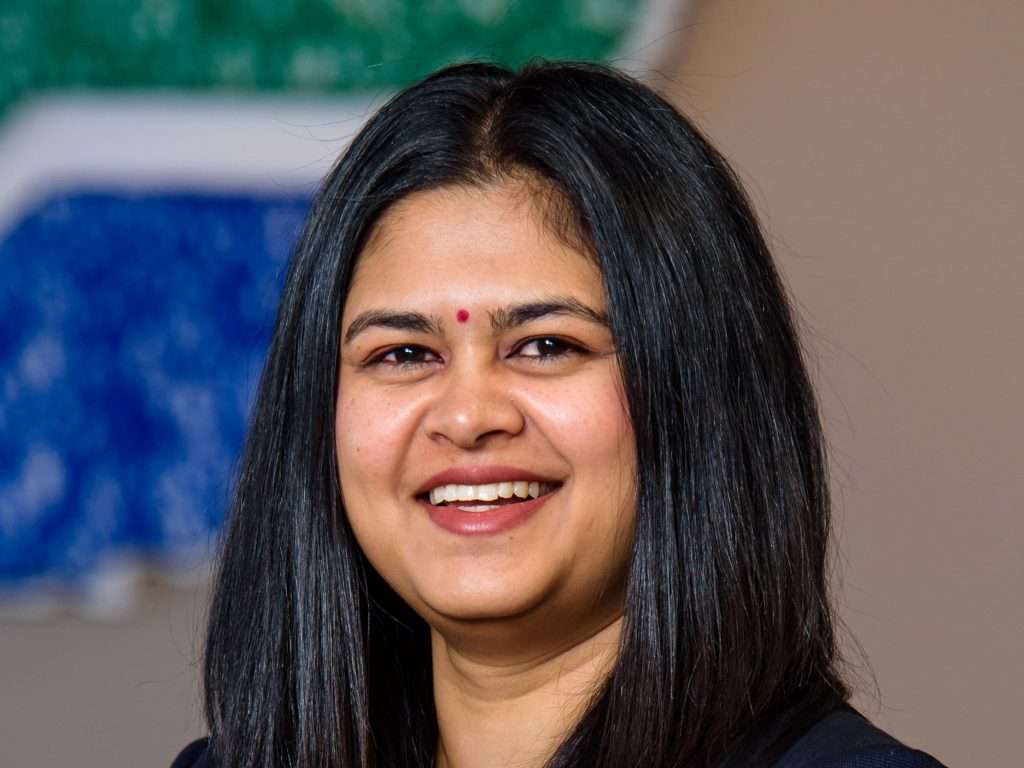
In a time when the lines between personal and professional life can become increasingly blurred, TransUnion GCC Africa HR head Shivani Ramsaroop shares the thinking behind their holistic wellness approach, and why co-creating with employees has made all the difference.
Q: How do you believe corporate wellness should be defined in every organisation?
Corporate wellness should be seen as a strategic priority that encompasses all elements of wellbeing, including mental, physical, financial, social, spiritual, etc. It should be embedded as a cultural norm where employees are free to integrate and bring their whole selves to their workplaces. Involving employees by soliciting their feedback and inviting them to co-create and implement initiatives also enables a sense of belonging.
Q: How do you ensure that wellness is not just a top-down initiative, but one that resonates and is embraced at every level of your organisation?
Having leaders involved in planning and participating in wellness events and programmes enables followership and creates comfort and psychological safety for employees to do the same. Leaders being vulnerable and open to sharing their experiences, including sharing how adversity and challenges can be overcome, creates a supportive culture and environment that inspires all levels of the organisation to relate to one another.
Q: What was the initial motivation behind adopting such a holistic wellness strategy?
The TransUnion GCC Africa is a hybrid business, which means it’s more difficult for team members to separate their workplace from their personal space. This is particularly true for those of our employees who provide support to colleagues and customers in different time zones.
This meant we needed to create support mechanisms and programmes to ensure that our strategic wellness priorities became our people’s daily experiences.
Q: What have you learnt about mental wellness in the workplace that might surprise other HR leaders?
Everyone across all levels of an organisation has to navigate challenges at some point during their career, regardless of function, profession, seniority, etc. Taking a keen interest, and proactive approach, in finding ways to help our people through challenges only highlights the powerful role we as HR professionals play. This is not a surprise but a clarion call to HR leaders to continue the fight for this worthy cause despite having to balance margins, costs and profitability.
Q: Why is financial wellbeing such an important part of your broader wellness strategy?
Financial wellness enables access to all the other wellness elements that are the currency of the world we live in – food, healthcare, fitness, housing, education, etc. It provides more than peace of mind and freedom by giving one the ability to care for their physical, mental and emotional wellbeing, including the ability to give back to those in need, which brings fulfillment and purpose to our lives.
Q: How do you measure the effectiveness of your wellness initiatives and how do you ensure they remain relevant over time?
We constantly solicit feedback from our people via focus groups and surveys, and we measure participation as well as employee engagement or involvement. We maintain relevance by responding to feedback and providing support for employees’ most pressing needs.