
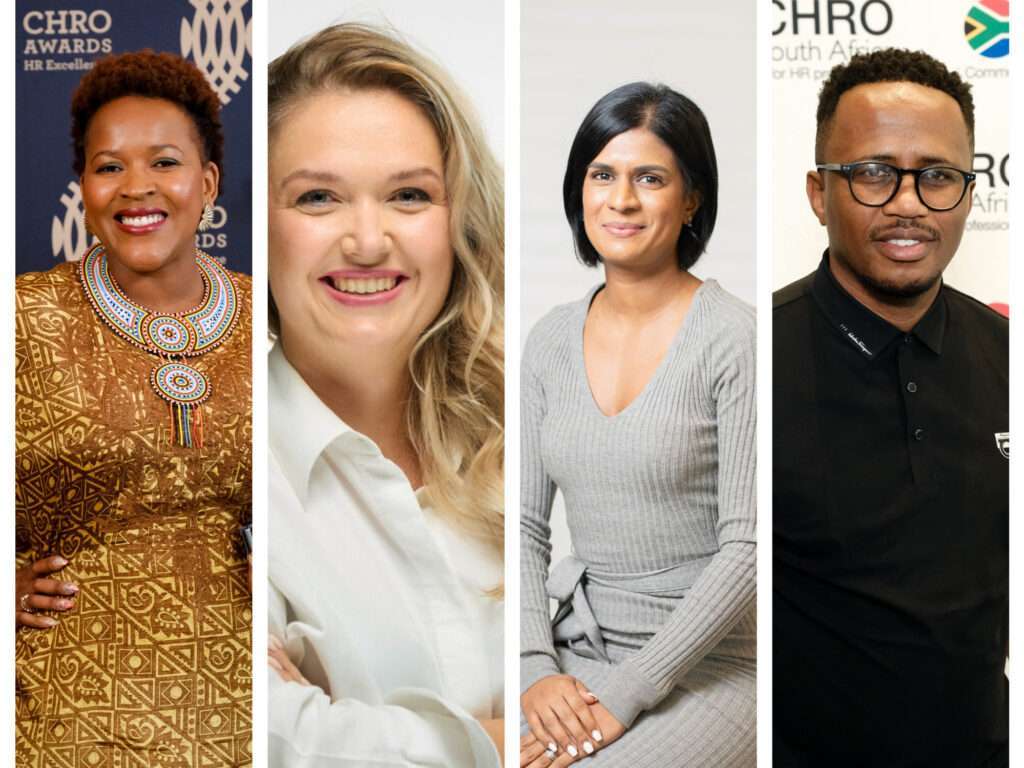
CHRO South Africa asks industry leaders about their most pressing concerns and how they are adapting to this new era of work and preparing organisations for an unpredictable future.
More often than not CHROs find themselves faced with a host of challenges that require fresh, innovative solutions. From hybrid work environments to the rise of diversity, equity, and inclusion (DEI) initiatives, the HR landscape is undergoing a fundamental shift. These changes are prompting HR leaders to rethink traditional practices, while also addressing the increasing need for mental health support and talent retention. CHRO South Africa spoke to industry leaders about their most pressing concerns and how they are adapting to this new era of work and preparing organisations for an unpredictable future.
A common theme among HR leaders is the shift to flexible and hybrid work environments. The Covid-19 pandemic catalysed a transformation in how companies operate, and while many employees have embraced the flexibility, it has created unique challenges for organisations.
Lisa Korol, HR manager at Axis Communications, emphasises how the move to hybrid work has reshaped the way HR departments approach employee engagement and productivity. “One of the biggest challenges facing the HR industry today is adapting to the changing expectations around work. The shift to more flexible and hybrid work models has completely reshaped how we approach employee engagement, productivity, and wellbeing,” she explains. For Lisa, it’s no longer about just where people work, but how they stay connected and motivated in this new, often decentralised, environment.
Similarly, Mahlogonolo Masenya, head of people and culture at MakwaIT, highlights the complexity of employee engagement in a hybrid work set-up. “Actively assisting businesses to keep employees engaged and creating a supportive hybrid work environment is essential for maintaining productivity and employee satisfaction,” he notes, further pointing out that the nature of employee wellbeing programmes can be difficult to implement effectively, adding layers of complexity to achieving real value from these initiatives.
Another significant challenge facing CHROs is the ongoing focus on diversity, equity, and inclusion (DEI). While DEI has been a critical talking point for years, HR leaders are now grappling with how to ensure that it’s not just a box-ticking exercise, but a strategic imperative that fosters lasting change within organisations.
Lisa acknowledges this, stating, “Companies are realising that it’s not enough to just talk about DEI; they need to implement real, actionable strategies that create lasting change.” Many organisations, she notes, are struggling to find the right approach that balances short-term wins with long-term cultural shifts.
Sivena Manikam, HR executive for Talent at RCL Foods, echoes these concerns. She cites DEI as one of the major hurdles for HR leaders. “Implementing effective DEI strategies and ensuring real progress can be difficult, requiring ongoing commitment and action,” she says, underlining the complexity of translating diversity goals into measurable outcomes.
“Mental health has also taken centre stage in the HR landscape with employees’ wellbeing is now a priority as companies realise that mental health challenges, exacerbated by the pandemic, can significantly affect productivity and engagement.”
Sivena emphasises the growing importance of mental health support in the workplace, stating, “Addressing employee mental health and wellbeing has become increasingly important, necessitating more comprehensive support and resources.” This sentiment is widely shared across industries, as HR leaders understand that providing meaningful mental health programmes is essential for building resilient and engaged workforces.
Mahlogonolo also notes the rising importance of wellbeing programmes, pointing out the challenges of designing programmes that deliver genuine value. “Programmes of this nature are complex to implement effectively to a point of deriving true value,” he says, illustrating the intricate balance HR must strike between providing support and measuring its success.
Talent war and future-proofing
The war for talent continues to intensify, especially in industries facing critical skills shortages. HR leaders must find innovative ways to attract and retain top talent, not only offering competitive salaries but also creating environments where employees feel a sense of purpose and connection to the company’s values.
Lisa emphasises the changing nature of employee expectations, pointing out that attracting talent requires more than just offering a paycheck. “Employees are looking for more than just a salary – they want purpose, growth opportunities, and a company culture they can connect with,” she says.
Sivena reinforces this, noting that talent shortages in critical skills areas remain a significant challenge. “Finding and retaining skilled talent remains a major issue, especially in competitive sectors where demand exceeds supply,” she explains, emphasising the need for proactive talent management strategies.
In today’s unpredictable environment, the need for agility and future-proofing has become a pressing concern for HR leaders. Londiwe Mncube, CHRO at the Competition Commission, highlights the importance of embedding agility into the very fabric of an organisation. “The greatest task that human capital has is embedding agility into jobs in such a manner that change does not disrupt the system in the way that it still does,” she says.
Londiwe views HR professionals as strategic change management specialists, constantly preparing for sudden, often unforeseen, challenges.“This need for agility extends to managing future talent pipelines and ensuring that organisations are resilient enough to weather future crises. HR leaders must now plan for the unknown, constantly balancing risk with strategic foresight.”
As the HR industry continues to evolve, CHROs are at the forefront of addressing critical challenges that will shape the future of work. As Lisa succinctly puts it, “It’s no longer just about where people work, but how they stay connected and motivated in this new environment,” a sentiment that will likely define the HR industry for years to come.