
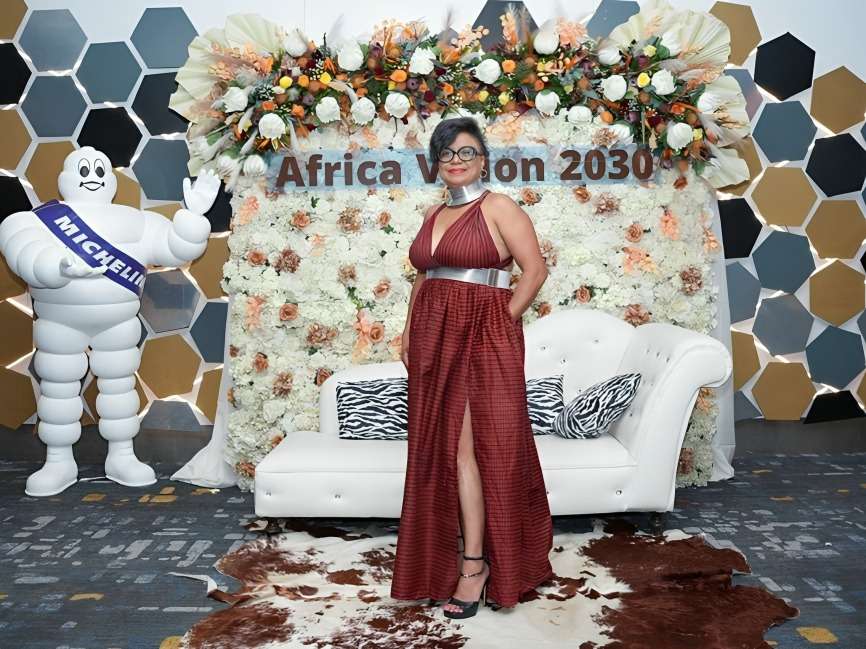
Michelin’s SSA HR director, Elmarie Roberts, highlights how the company is driving sustainable growth and development in Africa through its Vision Africa 2030 strategy.
Rooted in the three pillars of people, planet and profit, Michelin’s vision goes beyond tyres. HR director Elmarie Roberts shares the company’s commitment to empowering women leaders, boosting workplace engagement, halving carbon emissions and investing in African talent through strong partnerships and mobility solutions for the continent’s growing cities.
Q: What inspired Michelin to create Vision Africa 2030, and why is it important?
Michelin is deeply committed to balancing global leadership standards with local empowerment to build a strong, future-ready African leadership pipeline. Our approach is grounded in the I-Care global framework, which initially guided leadership behaviour but has since evolved into a shared set of values for all employees across the organisation.
To ensure relevance and impact, targeted talent development programmes designed at the group level are cascaded globally. These programmes are not applied in a one-size-fits-all manner but are thoughtfully adapted to reflect local realities, challenges and opportunities. This ensures that while we remain aligned with our global vision, we are also responsive to the unique context of each region, particularly in Africa.
Personally, I am passionate about talent and youth development. For me, it is critical that the initiatives we implement are not only aligned with global best practices but also truly fit for purpose within the local landscape. By doing so, we create meaningful opportunities for growth, ensure sustainable leadership development and empower the next generation of leaders across the continent.
Q: How is Michelin identifying, attracting and developing African talent to meet the demands of its Vision Africa strategy?
Recognising the high youth unemployment rate in many African countries, we emphasise youth engagement as a key differentiator in our approach. Our commitment is to help individuals find the job they love, which drives our focus on enabling skills development programmes for youth.
We partner with various learning institutions to provide learnership and internship opportunities, creating pathways for young talent to enter the workforce. We host career days for youth from previously disadvantaged communities. Additionally, we enhance talent development through local and regional initiatives, including development programmes, stretch projects and mentorship opportunities. By investing in these strategies, we strive to empower African talent and contribute positively to the communities we serve.
Q: What practical steps is Michelin taking to achieve 35 percent women in management across its African operations and how are these being adapted to local contexts?
We are enhancing recruitment efforts by targeting female candidates. This includes participating in career fairs and outreach programmes that specifically aim to attract female talent.
The organisation is also committed to creating clear pathways for female employees to advance into management positions. This includes establishing transparent criteria for promotions and providing leadership training programmes specifically designed for women to equip them with the necessary skills and confidence and celebrate the accomplishments of our women.
Michelin has also established women's forums that serve as platforms for networking, mentorship and sharing experiences among female employees. These forums promote discussions on challenges faced by women in the workplace and foster a supportive community that encourages professional growth.
Recognising the diverse cultural and socioeconomic landscapes across Africa, we tailor initiatives to align with local needs. This may involve collaborating with local organisations, understanding regional challenges and implementing culturally relevant programmes that resonate with female employees.
We also offer mentorship opportunities where experienced female leaders mentor younger women, providing guidance and support as they navigate their careers. This helps to build a strong support network and encourages women to aspire to leadership roles.
We support work-life balance through our WFH policy, generous parental leave for all genders and encourage people to take full advantage of vacation leave without stigma. We have a zero tolerance policy on harassment and have safe and confidential channels for our employees to report issues.
Diversity goals and measurable targets are set and reviewed annually at a regional and group level.
Q: How will Michelin ensure high levels of employee engagement (target: 85 percent) in such a culturally diverse and rapidly changing African environment?
We strive for our workforce to feel and experience a caring work environment that challenges our people to achieve their personal and business goals. The below outlines a few key aspects we drive:
Listening to employee feedback: We will actively seek and prioritise the feedback of our employees to understand their concerns and aspirations, allowing us to align our initiatives with their needs.
Fostering operational excellence: By continuously improving our processes and practices, we create an environment where employees feel supported and empowered to perform at their best.
Creating safe spaces: We will implement programmes and workshops that encourage open dialogue, allowing employees to express their thoughts and feelings in a safe and supportive environment.
Developing great leaders: We invest in leadership development programmes to equip our managers with the skills to inspire, engage and support their teams effectively.
Collaborative workstreams: Establishing workstreams that involve both employees and managers will enable us to analyse challenges and co-create tailored solutions that resonate with our workforce.
Q: What role does HR play in aligning people practices with Michelin’s sustainability goals, especially around CO₂ reduction and social impact?
HR plays a crucial role in aligning people practices with Michelin’s sustainability goals, particularly regarding CO₂ reduction and social impact embedding sustainability in culture and partner with the planet committee to integrate sustainability values into the company’s mission, vision and daily operations, ensuring that employees understand and embrace these goals, raise awareness about sustainability among employees, encouraging participation in programmes aimed at CO₂ reduction and social impact. This could involve sustainability workshops, campaigns, and volunteer opportunities.
We also facilitate collaboration between various departments to ensure that sustainability goals are integrated into all aspects of the business, from operations to supply chain management, and lead efforts to engage employees in community volunteering programmes that focus on social impact, promoting initiatives that support local communities and enhance Michelin’s corporate social responsibility.