
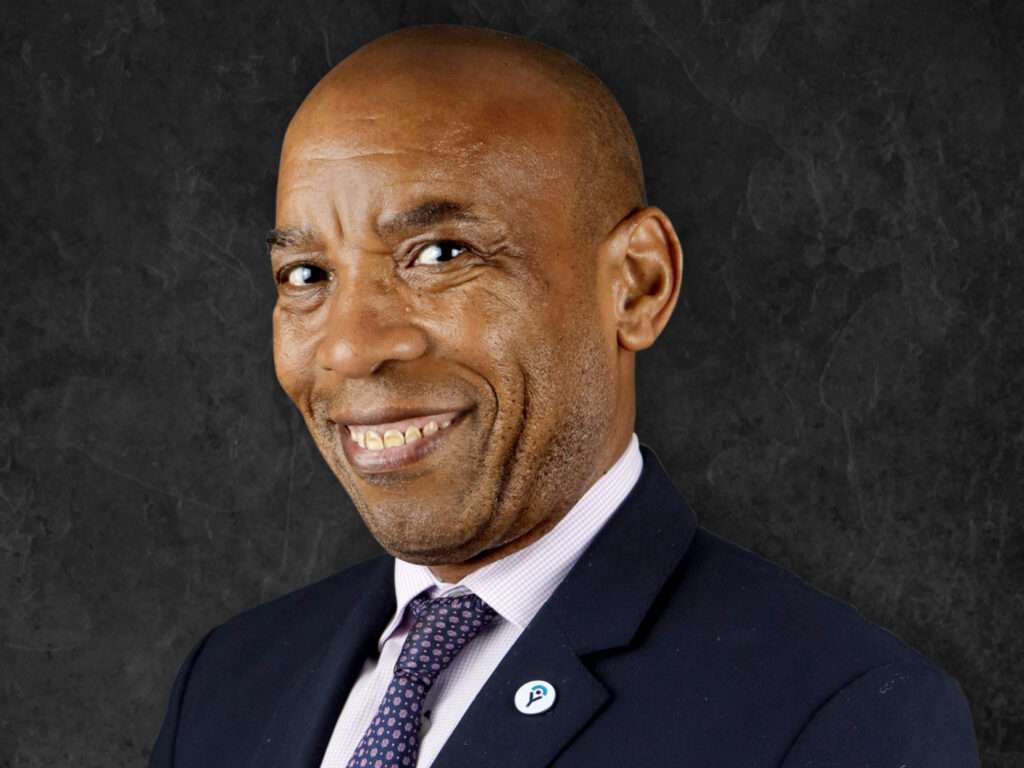
South African over-indebtedness is severe, with quick salary depletion, leading to short-term loans and worsening debt. Bayport's solution offers debt relief and financial education, reducing debt and improving financial stability for employees writes Alfred Ramosedi, CEO of Bayport Financial Services.
In South Africa, over-indebtedness has reached alarming levels. An FNB survey showed it takes an average of just five days for middle-income earners to spend 80 percent of their salary, with 30 percent of their income servicing debt. Many employees in lower income brackets are so burdened that their bank balance is cleaned out within hours of being paid.
Employers also report absenteeism spikes the day after payday as employees scurry to (often unregulated and unscrupulous) short-term lenders, already desperate for funds to see them through to the next payday. Sadly these loans, with their insatiable interest rates, only tighten the noose and trap employees in an ever-worsening cycle of debt.
Raising wages across the board isn’t necessarily the answer – it has implications for inflation increases and not every company is financially able to increase payroll costs. Also, when poor financial habits are at play, a bigger pay packet does not solve all problems.
There is a way
What does go a long way to start resolving the debt crisis is a money management solution that combines the triumvirate of financial services provider, employee and employer.
Bayport developed such a solution in 2019 and in the four years since joining forces with the first employer willing to test a different approach to employee wellness, we have seen remarkable results. Built with rehabilitation as a goal, the programme combines immediate debt relief with a demonstrable financial education that enables employees to manage their finances within their means.
Immediate debt relief is delivered by Bayport taking over the employee’s debt burden through a process of debt consolidation. Central to this process is individually negotiating settlements, sometimes up to 50%, with each creditor. This is a win-win for all parties: the employee’s debt burden can be substantially reduced, while creditors who were unlikely to ever receive anything, get a mutually agreed payment. More affordable monthly instalments give employees more available cash to cover living costs and the opportunity to improve their credit record over time.
The financial education component of the programme is delivered through a variety of channels, ranging from Bayport’s online Bayport Academy to masterclasses, workshops and wellness days hosted at employer sites or online.
The true secret to success, however, lies in embedding the programme within employers' premises. This gives employees direct access to assistance, eliminates barriers and creates a supportive environment where individuals can seek immediate guidance and assistance without having to navigate external channels.
Furthermore, marketing this solution within the employer context ensures that individuals are aware of the support available to them by both financial service experts and the employer.
Bankable results
Empirical evidence demonstrates the effectiveness of this approach, including significant reductions in debt obligations, improvements in credit scores and a decrease in stress and anxiety.
Bayport’s social impact research adds to the picture: on average, employees’ monthly disposable income increases by more than R3 800 per month, and over the past four years, employees who have completed the rehabilitation programme, have entered into home and vehicle financing contracts worth more than R888 million. To us, the latter is the most tangible indicator of long-term, sustainable success.
It may not be an employer imperative to offer financial wellness support to workers. However, we believe that those companies who do, contribute to the overall prosperity of society and long-term economic resilience – while also reaping bottom-line results through improved productivity, employee engagement and workplace relationships.