
Mismatched leadership is a hidden cost in the fiercely competitive world of rapid business expansion, where success is often measured by simple metrics like revenue growth, market share and operational efficiency, attendees at the 2025 HR Indaba heard.
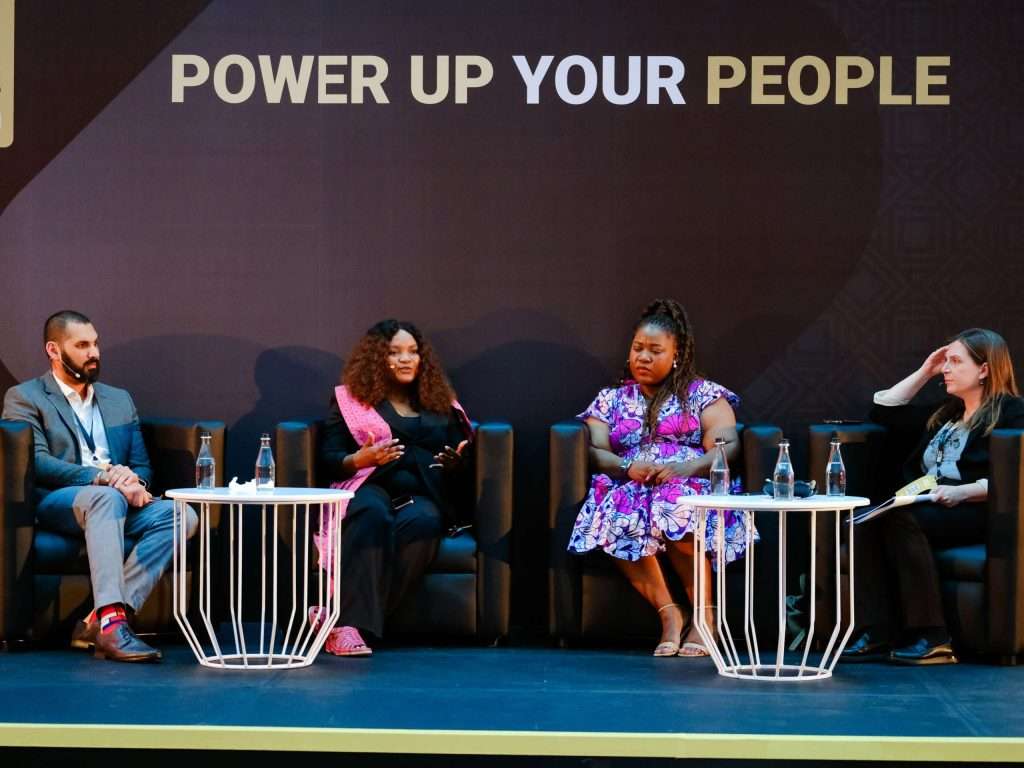
During a panel discussion titled Leaders or label bearers: The true cost of mismatched leadership, senior HR professional, Naeem Timol, HR executive at Pedros Flame Grilled Chicken; Nomvula Nxumalo, head of transformation, people, and culture at MiWay Insurance and Cebile Xulu, HR director at Mondelez International unpacked the critical challenge of preserving organisational culture and integrity when leaders are promoted solely for performance, without regard for their impact on the people they manage.
Naeem spoke candidly about the dizzying pace of their growth and the specific dangers it presents. He said that having been with the brand for over three years, he has witnessed the challenge firsthand.
“The danger when you scale at the pace that we scale at, is that leaders can start hiding behind processes and systems,” Naeem explained. “Our frontline workers are the face of the brand. When you walk into a Pedros you see an employee, they are the brand. They are Pedros”.
To protect this, Naeem insisted on a deliberate, culture-first approach to leadership. He stressed that while operational excellence is important, culture is the ultimate differentiator.
“What we are quite purposeful about is that our leaders need to get out of the boardrooms and spend time on the ground. I’m often asked the question, is it operational excellence or cultural alignment? And for me, both are equally important, but culture always outweighs everything else,” he noted. “This is because operations can be taught, numbers can be understood but culture is internal and needs to be authentic.
For Pedros, which Naeem calls simply a business of people selling chicken to people, that human element is everything.
He challenged the traditional reliance on simple performance metrics for promotion. Naeem added that the focus on culture forces a fundamental reassessment of how leadership talent is identified.
“Do we just promote them based on performance, or do we promote them based on other attributes that they have?” Naeem posed. The repercussions of promoting a high-performer who destroys morale are severe. “If you have a leader who is hitting numbers, but you have a trail of people that are left broken behind it, what is the impact to that?”
Unconscious replication
He indicated that the impact is high turnover, increased training, cost and damage to reputation, which impacts employee value proposition.
While Naeem focused on the internal damage caused by mismatched leaders, Cebile, focused on the damage done to diversity, inclusion and business innovation by outdated hiring and promotion strategies. She criticised the widely used concept of culture fit, arguing that it often amounts to an unconscious replication of the existing demographic.
She argued that this strategy is wholly inadequate for modern organisations striving for diversity of thought. Instead, Cebile advocated for a powerful new concept of culture complementors.
“Typically, you will hire people that look, that sound, that think like you, and we call that fit. You can’t do that. We’re looking for people that complement the existing organisation. Bringing people that will make the team or will make the organisation better than it currently is,” She noted.
Working for a consumer goods giant that makes chocolate, Cebile offered a compelling business case for complementary hiring. She noted that a historically homogeneous team, while brilliant, lacked the lived experience to understand a large segment of their consumer base.
“The team is brilliant. However, they’ve never been to Soweto. They don’t know what the inside of Alexandra looks like.”
Translating culture
This disconnect had serious commercial consequences, particularly when the company tried to develop low unit price product offerings.
“How do we make Oreo accessible to somebody who travels from Soweto to the CBD, who uses three taxis, who only has R5? But they would love to have an Oreo. We didn’t crack it for years,” she pointed out.
She noted that the team failed because they didn’t understand the consumer’s lifestyle, the expense of multiple taxis, the necessity of buying snacks for sustenance to fill a hunger gap. Cebile concluded that promoting fit over complement has a high impact on the bottom line.
The panellists universally agreed that HR’s biggest challenge is translating the subjective pain of a toxic culture into language the C-suite understands: numbers.
Nomvula addressed this noting that all business understands is numbers. She pointed out that if you tell them that something is not a culture fit, or they’re not displaying leadership behaviours, it becomes a problem.
She noted that HR, therefore, must be driven by data to quantify the harm.
“You actually have to tabulate the cost of hire, the cost of the retrenchment, or the cost of the turnover, you have to tabulate the cost of toxic environments,” Nomvula insisted.
Cebile echoed this frustration, particularly with annual engagement surveys that often repeat the same complaints. She noted that employees rarely leave over minor grievances like uncomfortable chairs or a lack of free coffee as these are merely sideshows, while the true elephant in the room is poor leadership.
Starting the conversation
Both Nomvula and Cebile agreed that leadership development is often misapplied, with companies focusing training budgets on junior staff while neglecting the senior executives who are breathing toxicity into the organisation.
“Until we actually call it out, and I know it’s tough, you’re going to annoy a lot of people. Especially when you start saying, let’s have a conversation, because this score or this issue can reflect on yourself as a leader,” said Cebile, challenging the group.
She suggested that many HR professionals lack the courage to have these difficult conversations, often out of fear of losing their job, a fear that needs to be overcome through personal financial freedom and resolve.
On creating a safe environment for feedback, Naeem stressed that this comes down to authentic leadership and psychological safety.
“It comes down again to building trust with their employees that they’re able to express themselves in the most honest way. This requires coaching leaders not just on what to say, but how to receive feedback,” Naeem said.
He linked this back to the core purpose of technology, indicating that AI and tech should be leveraged not just for efficiency, but to free up leaders to become more human and can concentrate on these things more.
The issue of mismatched leadership extended even to career progression. Nomvula addressed the ingrained corporate idea that career growth inherently means managing people.
“Everybody thinks that for them to progress, they need to be a manager of others, and then manager of managers. This is where the mismatching happens,” she observed.
Nomvula said the solution is to change how companies are structured so that specialist roles are treated with the same respect as other roles. She said companies need to create jobs that have value and are not seen as low-status. The jobs should be meaningful and well-paid.
Ultimately, the panellists agreed that HR’s role is to ensure that performance is not taken in isolation. By quantifying the invisible costs of toxic, unaligned leadership and creating structures that prioritise cultural complementarity and psychological safety, HR can transform itself from a mere administrator to the guardian of the organisation’s most vital asset.