
HR executives reflect on the women who became models of impactful leadership, courage and empathy on their journey – leaving behind lessons that still inform how they make decisions today.
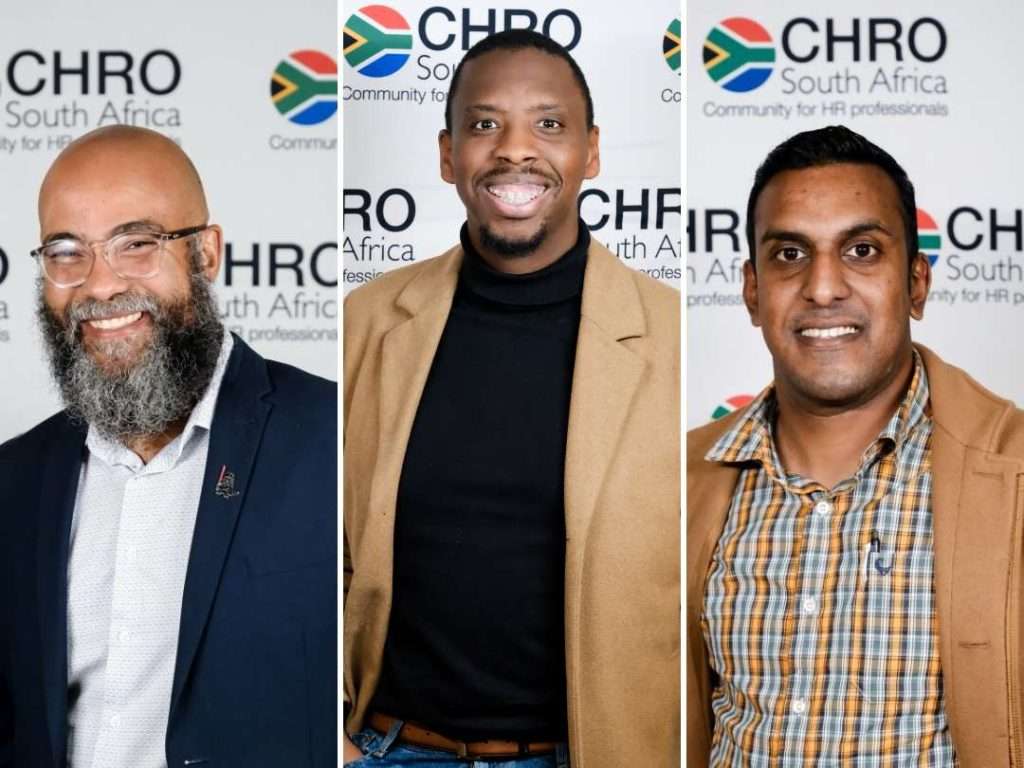
Leadership is rarely a solo journey, and Themba Chakela, head of people culture and change at e-Motion Consulting; Mure Wesigye, people & culture director at The Coca-Cola Company; and Kyle Chetty, head of people at Planet42, confirm this by sharing how some of the most defining principles of their careers weren’t learnt in isolation but from women who have led them.
Themba Chakela, head of people culture and change at e-Motion Consulting recalls a moment early in his career, fresh out of an organisation’s graduate programme, when he complained about being given small jobs with no responsibility.
“My boss told me there’s no such thing as menial tasks, only menial attitudes, when I complained about being given small jobs. That completely flipped my perspective and changed my attitude,” he says.
What impressed him even more was how she lived by her own advice. “Despite being an executive of a large corporate, she’d still get stuck in at the coalface and do the work that we would do, sometimes even better than us.”
Over the years, teachings such as these and working alongside women in HR has added depth to Themba’s leadership style.
“I think I’ve gained an extra thinking hat by working in teams either led by or largely made up of women. I’ve gained an appreciation for the power of the pause and the skill of appreciative inquiry. I often leverage both when having conversations that require full presence and mindfulness.”
“The work rate that the women HR leaders I have been exposed to is an underappreciated quality, both figuratively and literally. The effort, care and intentionality that they deliver at scale should definitely be given more recognition.”
And what he says he admires most about the women he collaborates with in HR leadership is their ability to look at and work on both sides of an issue or a challenge, building balance, impact and outcome into the equation.
Mure Wesigye says some of the lessons he learnt from women leaders continues to guide him in his current role as people & culture director at The Coca-Cola Company.
“I have worked with and for many exceptional women in my journey, and they have taught me, amongst many other lessons, to think and build for the long term, know that true empathy is giving people the feedback they need to hear, compartmentalise and focus in a mindful way on what is truly important, not to be afraid to ask for help, be decisive even in the face of ambiguity, set audacious goals and have big dreams and work diligently to achieve them,” he elaborates.
For Kyle Chetty, the head of people at Planet42, his first experience as an HR manager involved attending a HR info session where he had the honour of listening to Debra Teles, a former HR executive at JD Group.
“She offered a piece of advice that has stuck with me throughout my career: Your role isn't to have all the answers; it's to create an environment where the right questions are asked and the best solutions can come forward,” he recalls.
“This perspective has become a key element of my approach. It shifted my focus from simply solving problems to facilitating discussions. It's about empowering teams, trusting their expertise and cultivating a culture of psychological safety where everyone feels comfortable contributing without fear of judgement. This guidance has been especially important in my role as head of people, where empathy and active listening are more valuable than top-down directives.”
For Kyle, the influence of women leaders has extended far beyond strategy.
“I've been incredibly fortunate to work with many outstanding women in HR, both as mentors and colleagues. Together, they’ve demonstrated the importance of leading with humanity. They openly shared their vulnerability and acknowledged the emotional and personal aspects of work. They showed that empathy, integrity and building authentic relationships are essential to a successful HR department.”
He also notes qualities in women HR leaders that often go unrecognised. Their resilience, adaptability and ability to maintain perspective in the midst of complexity stands out for him.
“Women HR leaders often handle complex and sensitive situations with a wonderful blend of strength and compassion. They are frequently the ones who keep the organisation's moral compass steady, whether during a crisis, restructuring, or cultural change. Another important trait is their ability to see the big picture without missing the individual. They can create a company-wide strategy while also showing genuine care for an employee's specific challenges. This balancing act is a powerful and often overlooked skill.”
“What I admire most is their unwavering commitment to justice and equity. They are often the most vocal advocates for diversity, inclusion and fair treatment. They don’t just see these as buzzwords; they see them as fundamental to a healthy and thriving workplace.”
Reflecting on their broader impact, Kyle states that women leaders have not just guided him, but have set a standard for what leadership should be.
“As we celebrate Women’s Month, it’s a wonderful opportunity to not only honour the incredible achievements of women leaders, but also to work together towards a future where their voices and perspectives are truly at the heart of our organisations. The challenges we navigate in today’s workplace, from promoting wellbeing to boosting engagement, call for the kind of empathetic and inclusive leadership that women in HR have so passionately championed over the years.”
“Let's keep learning from their inspiring example and foster environments where all leaders, no matter their gender, can lead with authenticity, compassion, and humanity,” concludes Kyle.