

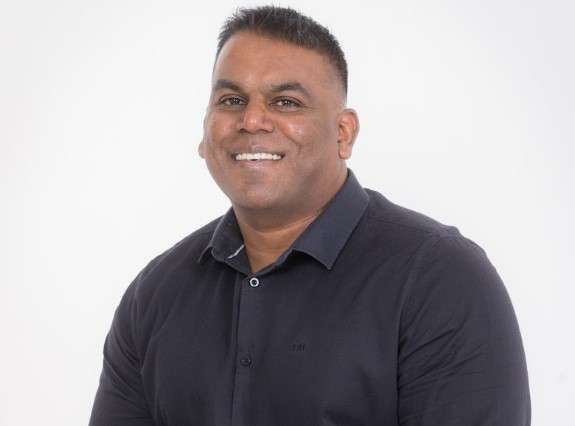
Men’s health awareness month highlights more than physical wellbeing – it’s a reminder to prioritise mental resilience for a balanced, fulfilling life, writes international performance coach Alvin Govender.
As we move firmly into the latter half of November, I’m reminded that Men’s Health Awareness Month is about far more than ‘Mo’ moustaches and fun runs. While physical health issues such as testicular cancer and early detection are central to the month’s message, in my line of work, it is always crucial to recognise the mental resilience that men need to thrive both professionally and personally. Men’s mental health, too often overlooked, is essential for the strength, happiness, and stability we aim for in every area of life.
In South Africa, where suicide rates are alarmingly high among men, the importance of maintaining mental wellness cannot be understated. It is a topic close to my heart, not only as a professional business coach and public speaker, but as someone who has had to navigate my share of challenges that life has thrown at me.
As men, our ability to nurture emotional resilience and self-worth often determines how well we can lead, manage setbacks and build meaningful relationships.
The importance of mental health check-ins
When we talk about men’s health, we often prioritise the physical over the mental. Yet, mental health is foundational; without it, our physical achievements are not always possible. Many men feel pressured to manage challenges without showing signs of vulnerability, and a sure sign of ‘coping’ means not asking for help. But this outlook often leaves us more vulnerable to mental health issues like burnout and depression.
That is why regular mental health check-ins are so essential. Just as we monitor our physical health, keeping track of how we are feeling mentally allows us to catch early signs of stress and anxiety before they become overwhelming. These check-ins do not need to be formal therapy sessions (though I advocate for therapy when needed); sometimes, they are as simple as taking a moment to ask ourselves, “How am I feeling?” Self-awareness is like a muscle that grows stronger with practice. It empowers us to recognise and address our mental and emotional needs before they escalate into issues.
Challenging misconceptions about men’s mental health
There is a longstanding stereotype that men must be indestructibly strong and stoic, like the classic action heroes we see in movies. This “tough guy” image is ingrained in society, but it creates an unrealistic and often damaging model for the men we know and want to support. Vulnerability has mistakenly been portrayed as weakness, but being open about our struggles is a strength that can lead to personal growth and authentic connections with others.
Breaking down these misconceptions means encouraging men to have confidantes – whether they are friends, mentors, or professionals – who they can turn to for support. Opening up does not mean discussing every detail of our lives; it can start with sharing a genuine thought or concern with someone we trust. I have learned that discussing genuine issues – not just padel scores or work promotions – can be effective in how supported we feel.
Finding balance in a high-pressure world
Many men feel a constant pressure to excel in all areas of life – career, family, friendships, and personal goals. However, striving for a perfectly balanced life every day can often lead to feelings of inadequacy when we fall short. A balanced life is not about dividing our time equally across each area; it is about understanding our priorities and creating a sustainable routine. This means some areas get more attention on some days than others.
As a business leader and father, I have had to accept that balance is not a daily accomplishment. The key is recognising what is most important at any given time and homing in on those priorities. For example, I have found that small practices, like taking a day off to do something I enjoy or spending uninterrupted time with my family, can significantly impact my mental wellbeing.
Balance is not about perfection, but rather about resilience. When we learn to adapt to the demands of life without wanting to give up, we are better equipped to manage life's inevitable difficulties. A large part of building mental resilience is realising that tough times do pass. As do the good times; life often feels like a series of ups and downs – sometimes even on the same day!
Building emotional resilience and simplifying life
Resilience is not about how much we can endure but about developing strategies that help us thrive despite life’s challenges. For me, building resilience starts with simplifying life wherever possible. This could mean letting go of toxic relationships, streamlining my routines, or minimising distractions. We often overestimate what we need to feel fulfilled, but a simpler life brings clarity, energy, and room to grow.
One powerful way to strengthen resilience is by creating systems that allow us to manage responsibilities efficiently. For instance, arranging a lift club for school runs or setting aside dedicated “me-time” each week may seem small but can provide enormous relief. Simplifying life also involves releasing the habits that no longer serve us, like excessive screen time or binge-watching shows, which can leave us feeling more drained than rejuvenated.
Finally, developing a growth mindset is key to resilience. Viewing setbacks as opportunities for growth helps us to stay flexible and adaptable. I encourage men to approach life as a journey where learning never stops; every experience, whether positive or negative, can add to our resilience.
Practising mindfulness: a daily exercise for mental strength
Just as we exercise to keep our bodies strong, we need daily practices to keep our minds healthy and robust. Mindfulness has been invaluable for me in managing stress, especially in high-pressure situations. For men, mindfulness is about training the mind to focus on the present rather than dwelling on the past or worrying about the future. This does not mean we ignore our responsibilities, but rather that we face them with a clear and focused mind.
Mindfulness can be as simple as taking a few minutes each day to breathe deeply, go for a quiet walk, or even enjoy a cup of coffee without distraction. When we allow ourselves moments of calm, we become better equipped to manage whatever life throws our way. These moments give us space to process emotions and gain perspective. In my experience, mindfulness is not about escaping reality but rather facing it with clarity and confidence.
Addressing toxic masculinity
Toxic masculinity remains an issue in many work environments, despite the growing awareness around men’s mental health. Although society has become more vocal about supporting men in showing their emotions, the workplace often still demands that men project strength, discouraging emotional openness. This expectation leads many men to feel pressured and alone, as they feel branded as leaders who must consistently solve problems without support.
Social media exacerbates this problem by perpetuating stereotypes, often portraying men in polarising ways. As a result, mental health issues have rapidly increased since the introduction and uptake of social media, driven by a lack of genuine connection and feelings of isolation.
Promoting men’s health without alienating others
It is essential to foster men’s wellbeing in a balanced way that does not alienate others in the workplace. A respectful and professional approach to male health and unity involves recognising men’s specific needs while upholding fairness and equality for everyone. Men should not feel guilty for seeking support or expressing their viewpoints, nor should any other individuals.
Qualities of admirable role models
True role models embody traits that inspire not only men but all individuals. I have had the opportunity to work with some incredible, grounded male leaders. These men have a few traits in common and always place family and their values above status or wealth. Their humility and focus on personal growth are essential qualities that encourage respect and admiration. Rather than being distracted by their achievements, they constantly strive for self-improvement, reflecting a balanced view of success. These leaders demonstrate that their strength comes from authenticity and self-awareness.
As a proud man, business leader, and father, it is vital that we recognise the importance of mental health for long-term resilience and happiness.