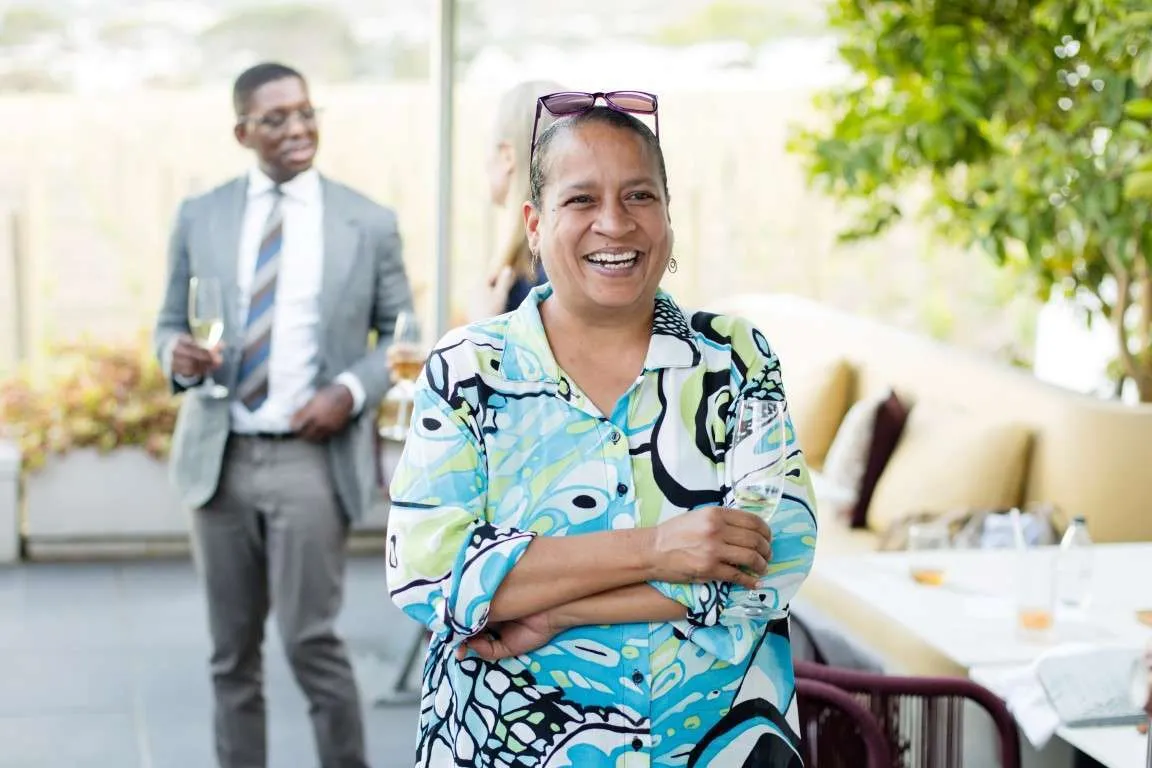

Middle managers play a vital role between decisions taken at executive level and their implementation on the ground, says Dolores S Mashishi, managing director: HR solutions, and advisor and executive coach at DSM Advisory.
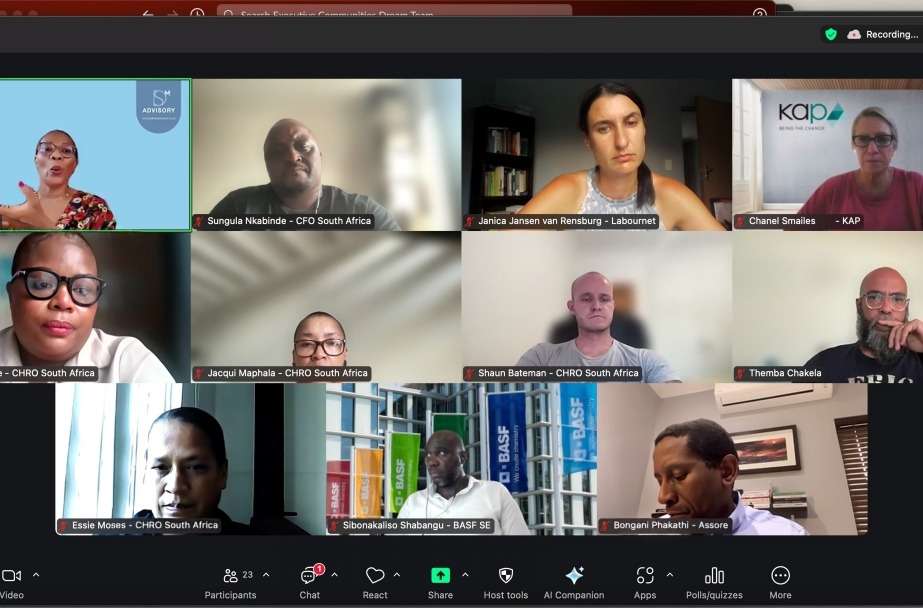
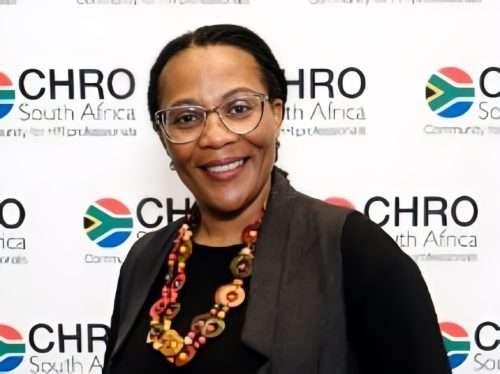
During a recent CHRO South Africa Community Conversation, Dolores S Mashishi of DSM Advisory shared valuable insights on how to better support and use the expertise of line managers to help businesses thrive.
She said that middle managers are tasked with translating high-level goals into actionable plans while managing teams and navigating day-to-day challenges, and while they are pivotal to organisational success, the constant balancing act of managing strategic priorities with operational demands makes their role particularly challenging.
Their plight, Dolores believes, has been written about, but not enough focused conversation is happening around it. They are also stereotyped into what is known as the frozen middle, a phenomenon that came to fore after 2021, Dolores added.
“The middle managers were called the frozen middle, simply because they were seen as the group of people that were stifling change and organisational progress, and that is where the term ‘the frozen middle’ was happening. And as soon as that stereotype happens, you find that not a lot of middle managers are being involved in some of the key decisions in the organisation,” said Dolores.
She went on to add that middle managers can make or break an organisation, and in M&A integration processes, the analogy is used often. She further added that a failure to include middle managers at the beginning of an M&A process could be to an organisation’s peril.
In her presentation, she said that research shows middle management feel they are conduits for top-down decisions, which leads to a sense of disempowerment and a lack of comprehensive leadership development and mentoring.
“The middle management role is almost a bit of a hopeless case. There’s much expected of them and very little given, and yet they are the centre of the success of the organisation. They are really at the coal face. And what has been described just makes that role unattractive. The question is, how do you make it attractive for Gen Z – or for anybody for that matter?” asked Solly Mokgehle, area human resources manager, The Church of Jesus Christ of Latter-day Saints.
For Gen Z, middle management is not a role that is looked upon favourably, Dolores added. “Gen Z is coming with a term they call the ‘unconscious unbossy’. Basically what they mean is they are trying to ‘unboss’ the hierarchy that exists in organisations and therefore are rejecting the middle manager layers. They do not want to assume middle manager roles – they associate the middle manager role with quite a lot of issues around not having power, not having influence, task-driven day-to-day chores. So they really avoid the middle manager position and that becomes a problem in the long run, because our middle manager roles used to be seen as a springboard for succession.”
For Abena Amankwah, regional HR director sub-Saharan Africa for Ipsos, it’s a double-edged sword. “You want people to be lifted up, to help us to achieve our objectives in the business, but how do we train them and empower them to allow them to actually live up to those expectations?”
Dolores believes, however, that the revolution of the middle managers has begun. Middle managers, she maintained, remain linchpins in organisations, despite the challenges they face, and are the axle that keeps the wheel moving.
There is a shift in movement from having traditional corporate ladder hierarchy, to something fluid and collaborative, she added.
On how to support them, Dolores suggested starting by asking the right questions and making data-driven decisions about middle managers in your organisation. She urged execs to tap into their own experiences. Ask the question: What did I need when I was in that position?
She added that offering mental health resources and creating a supportive work environment can help alleviate the stress and isolation that middle managers experience.
“We also don’t talk enough about the liberating impact ‘good management’ has on the function we sit in,” said Themba Chakela, head of people, culture and change, e-motion consulting. “Being deliberate in equipping middle managers from a capability and capacity perspective has a direct and positive impact on what are considered traditional HR metrics – which in turn has a positive impact on the organisation and the people in it.”
Dolores stands firm in her belief that middle managers should be developed as future leaders, building the behaviours of the new economy. “Culture is caught, not taught,” she concluded.