
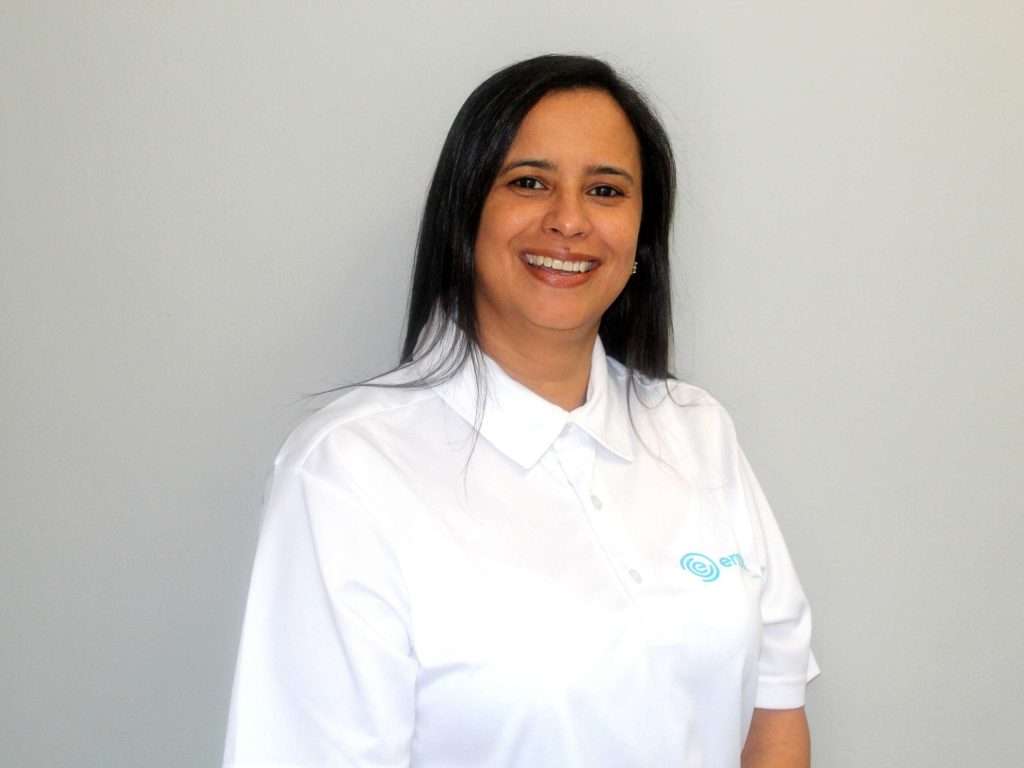
While many organisations wait for end-of-year functions, Mandela Day or Heritage Month to showcase their commitment to inclusion, Salwa Albertyn, group HR executive at Empact Group, believes CHROs should be shaping the language of unity long before the calendar tells them to.
In this conversation with CHRO South Africa, she highlights what everyday inclusion should look like and challenges other HR executives to build cultures that honour people all year round, not just during commemorative months.
Q: From your perspective, what does real, everyday inclusion look like inside an organisation like Empact Group?
Real inclusion is visible in the decisions we make when no one is watching. It shows up in how we structure career conversations, how leadership shows up for our people and whether employees from all backgrounds feel comfortable speaking up in meetings. At Empact, our purpose is “We Care – Doing right by you”, and that means examining every process, from recruitment to promotion, through the lens of accessibility and fairness.
The desired outcome is creating an environment where cleaners feels as valued as an executive, where different communication styles are recognised as strengths rather than deficits, and where psychological safety allows people to bring their whole selves to work. The test isn’t what we post on social media during Heritage Month, it’s whether every single person in our organisation can see themselves reflected in our leadership, our opportunities, value and our daily interactions.
Q: How do you make sure inclusion remains an everyday practice, rather than just during commemorative months?
We’ve shifted from treating diversity as a calendar event to embedding it in our operational DNA. This means regular check-ins on inclusion metrics throughout the year, not just annual diversity reports. It requires leadership accountability; inclusion objectives are part of performance discussions at every level, not reserved for the HR department. The key is building HR reporting that enables us to monitor succession planning, promotions, demographics and ongoing feedback channels that reveal where we’re falling short.
More than that, it means having uncomfortable conversations when they need to happen, not when the calendar tells us it’s time to care. When inclusion becomes part of how we measure success daily, it stops being a campaign and becomes simply how we operate.
Q: What anchors your inclusion strategy, so it survives beyond the calendar awareness days?
Three things keep our commitment from becoming performative: accountability, measurement and honest self-examination. We’ve built inclusion into our strategic objectives with the same rigour we apply to financial targets. This means tracking not just who we hire, but who progresses, who speaks at company events, who gets access to high-visibility projects and who stays with us long-term.
These metrics tell us whether we’re genuinely creating opportunity or just talking about it. We’ve aligned our approach with the UN Sustainable Development Goals, particularly Goal 10 (reducing inequality) and Goal 8 (promoting decent work and inclusive economic growth). These frameworks provide external benchmarks that prevent us from grading our own homework.
Equally important is our willingness to examine uncomfortable truths about our own biases and blind spots. We don’t wait for designated awareness days to ask hard questions about liveable wages, pay gaps, advancement barriers or whether certain groups feel valued. The anchor is treating inclusion as a business imperative that affects our bottom line, our ability to retain talent and our capacity to serve diverse markets, not as something we dust off when the social calendar demands it.
Q: What are some small, everyday leadership behaviours that you believe make the biggest difference in creating an inclusive work environment?
The most powerful behaviours are often the simplest: who you invite to meetings, whose ideas you credit publicly, how you respond when someone struggles to articulate a thought in their second or third language. We’re committed to embedding diversity and inclusivity through three clear goals: improving the holistic wellbeing of our team and their families, creating and maintaining a culture of belonging, and building a diverse team that’s representative of our country’s demographics.
These aren’t just aspirations, they’re translated into daily leadership actions. Leaders create inclusion through deliberate acts of noticing; recognising when one voice dominates a discussion and actively creating space for others or acknowledging when your own perspective might be limited by your experience. It’s knowing when to ask, “whose voice are we missing?” before making decisions and having the humility to admit when you don’t understand someone’s lived experience.
Equally important is how leaders handle mistakes, not just other’s; mistakes, but their own too. When leaders model vulnerability by acknowledging their biases and demonstrating a willingness to learn, they give everyone permission to do the same. These small acts compound over time, creating a culture where people feel genuinely valued rather than merely tolerated.
Q: If you could challenge other CHROs to make one bold move towards authentic inclusion, what would that be?
Stop measuring success by your calendar of diversity events and start measuring it by the lived experience of your most marginalised employees. Have the courage to conduct truly anonymous surveys about who feels heard, who feels valued and who sees a future for themselves in your organisation; then act on what you learn, even when it’s uncomfortable. Better yet, implement exit interviews that specifically probe why diverse talent leaves, and treat those insights as seriously as you would a major financial loss.
The bold move isn’t launching another awareness campaign or posting the right message on social media; but rather committing to transparency about where you’re failing, holding leadership accountable for creating change and accepting that authentic inclusion requires ongoing discomfort. If your inclusion strategy can be summarised in a single presentation or completed within a financial year, you’re not being bold enough. Real transformation takes sustained effort, difficult conversations and the willingness to fundamentally rethink how your organisation operates.