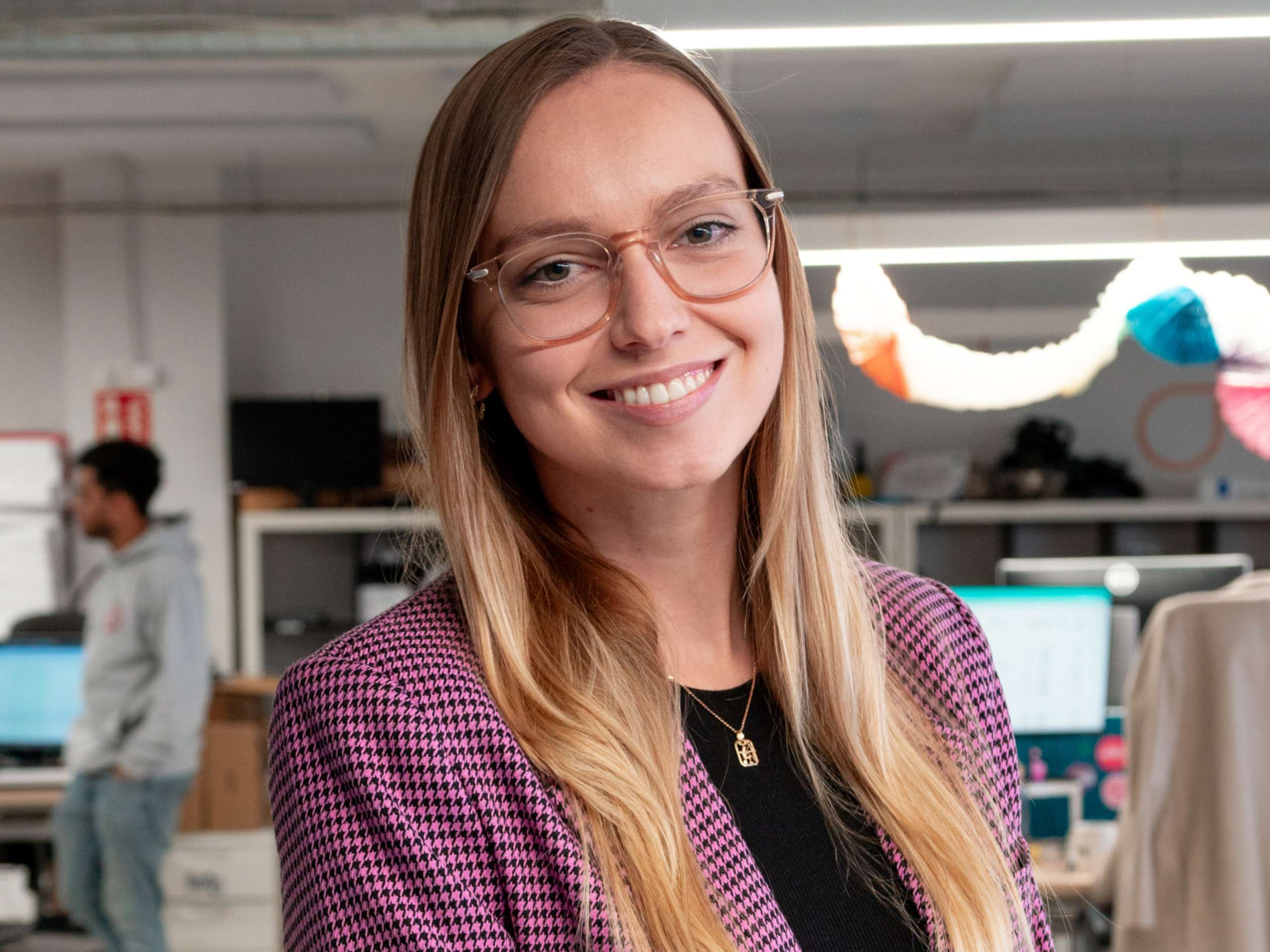

As companies rethink how they attract, hire and retain talent, Agata Lech, the partner marketing manager at Factorial, highlights the importance of creating a seamless employee journey, one where every step from hire to onboarding to development is purposeful.
Recruiting and welcoming a new team member should feel exciting, not exhausting. Yet too often, the process resembles a maze: job postings scattered across platforms, resumes buried in inboxes, interviews tracked in spreadsheets and onboarding slowed by paperwork and compliance checks. The result? HR teams stretched thin, managers frustrated – and new hires starting their journey feeling overwhelmed instead of inspired.
That’s why rethinking the employee journey isn’t just about efficiency, it’s about creating the kind of workplace experience that attracts, engages and retains talent.
Why the employee journey matters
The way a company manages the employee lifecycle directly impacts retention, engagement, and culture. When admin overshadows experience, talent slips away. But with the right tools, HR can shift from firefighting to strategy building a journey where employees feel valued from day one.
Factorial customers report saving up to five days per month by automating repetitive tasks. That time goes back into meaningful work: developing talent, supporting managers and creating cultures where people thrive.
What smarter processes look like with Factorial
Centralised, intuitive workflows: From recruitment to onboarding to performance management, everything happens in one place – reducing errors, cutting back admin and keeping teams aligned.
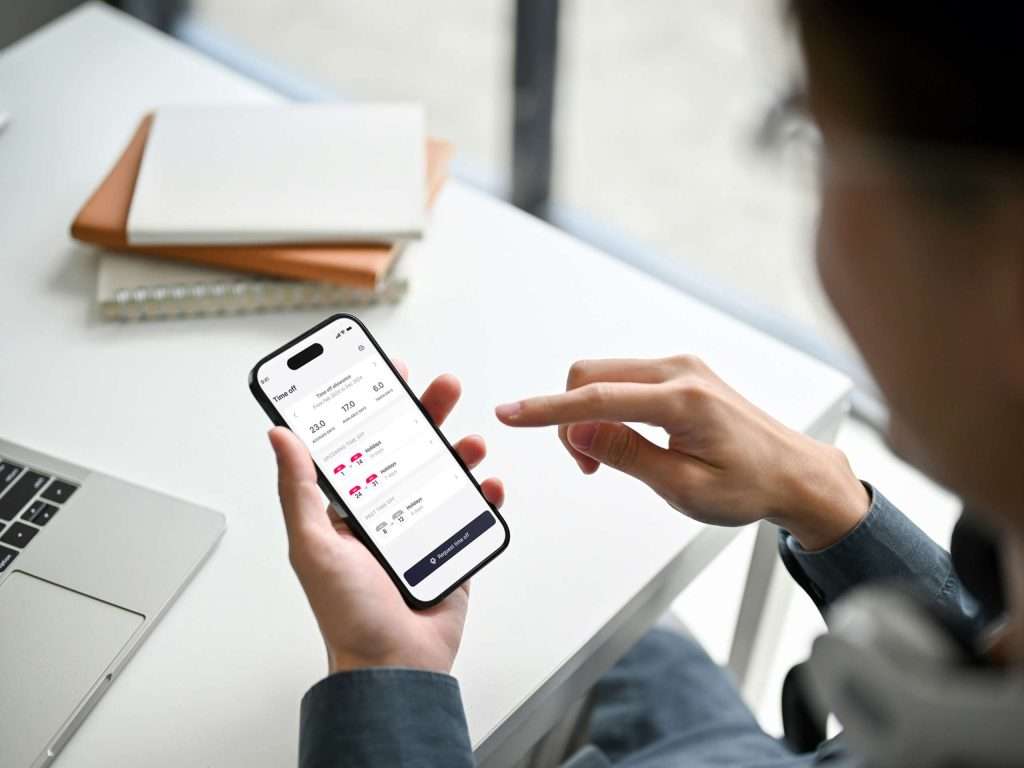
Automation that feels human: AI helps filter resumes, set up onboarding workflows and nudge performance reviews forward. The result? A smoother, more personal experience for every employee.
Scalable for growing teams: Whether expanding across offices or markets, Factorial scales with you keeping data, processes and compliance under control.
Even beyond tech, the change is human. Oliant, an expanding tech firm, felt the pressure of scattered tools across their global offices. Bringing everything into one accessible system gave them breathing room. As their CEO put it: “If Factorial disappeared tomorrow, it would be extremely painful and complicated to operate without them.”
Across the web, HR practitioners echo the same – desire for automation, stories of onboarding slipping through the cracks, tools that promise simplicity.
Fever’s global communications lead was looking for consistency, visibility and less email chaos across teams. By using Factorial, it allowed their HR to store absences, manage documents and share internal communications in one place. Ultimately stating, “It made our day-to-day so much easier.”
These aren’t technologists, they're HR people, asking for smarter, human-centred systems to let people do their best from day one. Real clients, like EG Technology automated their recruitment and onboarding, shifting from manual admin to seamless workflows. Their HR team now focuses on building stronger employee experiences with the help of Factorial.
The human side of HR tech
What unites these stories isn’t technology, it’s impact. When HR teams reclaim time from admin, they can focus on what matters most – listening, coaching and building workplaces where people want to stay.
Automation isn’t about replacing HR. It’s about giving HR professionals the bandwidth to be more human.
From hire to retire, the employee journey can either be a tangle of tasks or a well-designed experience that inspires people to grow with your company. With Factorial, HR professionals have the tools to make that possible, freeing them from spreadsheets so they can focus on people over paperwork.