
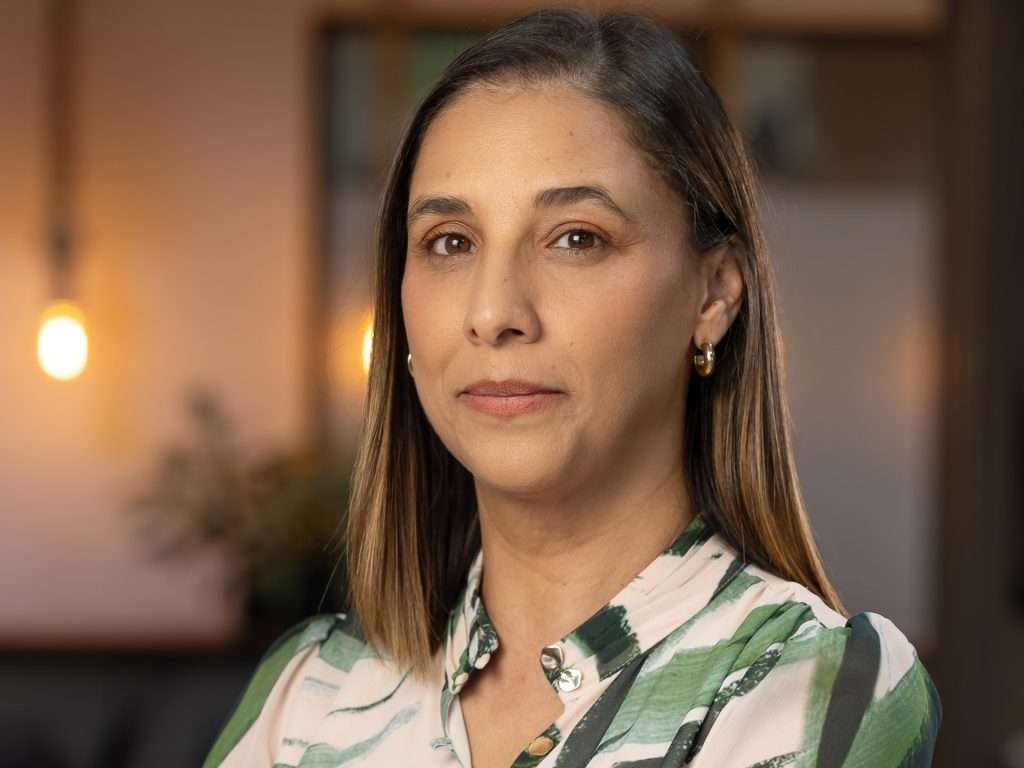
Nerisha Kistan, HR director at Canon South Africa, shares that corporate culture often asks people to leave their personal struggles at the door, but there is a recognition that employees navigate complex socio-economic pressures and family responsibilities every single day.
Through a progressive new wellness framework, Nerisha explains how the organisation has moved beyond listening to taking decisive action by introducing dedicated Mental Health Leave and Feminine Health Leave, so employees are not expected to manage their strain in isolation.
Q: What organisational realities or employee insights convinced Canon South Africa to move from informal support to a structured leave framework?
Over the past few years, we have seen a noticeable increase in employees raising concerns around stress, burnout and emotional fatigue. These were not isolated incidents, they reflected a broader shift in the realities of modern work and life in South Africa.
While managers did their best to offer flexibility informally, it became clear that the organisation needed a consistent, transparent and equitable approach. Employees were often relying on annual or sick leave to cope with mental health challenges, which meant we lacked true visibility into the scale of the need.
Introducing a formal mental health leave framework was a conscious decision to acknowledge these realities openly and to ensure that every employee receives the same level of support, regardless of which team they are in.
Q: What mechanisms are being put in place to ensure the policy translates into real support rather than a line item in HR policy?
A policy has value only if it is lived within the organisation. To ensure this, we are embedding several practical mechanisms:
- Upskilling leaders so they can identify and respond to mental health concerns with confidence and empathy.
- Clear, stigma‑free processes for applying for mental health leave.
- Confidential support structures, including HR, our employee assistance programme, and newly introduced wellness champions.
- Continuous assessment, using utilisation data and employee feedback to refine the framework over time.
Our intention is to build a culture where the policy is experienced as real support, not an administrative formality.
Q: From an HR leadership perspective, why is it important to recognise mental health in a formal workplace policy?
Formalising mental health in policy sends a powerful message: psychological wellbeing is a legitimate and prioritised aspect of employee health.
It creates consistency, removes ambiguity and prevents support from becoming dependent on individual manager discretion. Just as importantly, it helps normalise mental health conversations in the workplace. When an organisation documents, resources and actively champions mental health, employees feel seen, respected and safe to seek help.
Q: How are you making sure employees feel comfortable using the mental health leave?
Comfort is created through culture, not legislation. We are working intentionally to foster an environment where employees feel both supported and respected by:
- Promoting open dialogue about mental health throughout the organisation.
- Encouraging leaders to model vulnerability and balanced wellbeing.
- Ensuring confidentiality in the leave process.
- Training managers to respond with empathy and without judgement.
- Creating multiple entry points for support through HR, wellness champions and formal assistance programmes.
Our aim is for mental health leave to be viewed as a valid and responsible step towards wellbeing, not something an employee feels they must justify.
Q: The company has also introduced Feminine Health Leave. Why was it important to include menstrual health and menopause in workplace policies?
Menstrual health, menopause and reproductive health challenges have a tangible impact on many women’s daily functioning, yet these topics remain underrepresented in workplace frameworks.
By formally recognising feminine health needs, we validate the lived experiences of our female employees and create an environment where they do not feel compelled to work through severe discomfort in silence.
This policy is not only about health, it is about dignity, equity and acknowledging the realities of a diverse workforce.
Q: What capabilities do managers need to handle such wellness issues today that traditional leadership training may not have covered?
Leaders today need a more nuanced, people-centred skill set. Traditional leadership training often focused on performance, planning and technical competence. The modern workplace requires leaders who have:
- Psychological safety skills: Understanding how to create a safe environment for honest conversations.
- Recognising behavioural shifts: Knowing when changes in performance or engagement may signal deeper issues.
- Empathetic communication: Asking supportive questions and responding without judgement.
- Boundary management: Knowing when to help, when to escalate and when to refer.
- Flexible work mindset: Understanding how to adapt expectations and workloads in moments of need.
These capabilities strengthen not only employee wellbeing, but also team cohesion and productivity. These skills aren’t about turning managers into therapists – they’re about strengthening leadership humanity and responsiveness.
Q: For other HR leaders considering similar policies, what lessons have emerged from implementing this framework?
Several key lessons stand out:
- Employee consultation is invaluable. Policies grounded in real experience have far greater impact. As an HR team we find our real-time HR checkins with all our employees an invaluable tool of insight.
- Leadership capability must be developed. A policy cannot thrive if leaders do not know how to support it in practice.
- Simplicity matters. Overly complex procedures discourage utilisation.
- Communication must be ongoing. It takes time for employees to trust and embrace new support mechanisms.
- Culture is the true differentiator. Documentation is important, but the lived experience of support is what employees ultimately value.