
Payroll is often overlooked, yet it forms the backbone of every successful HR strategy.
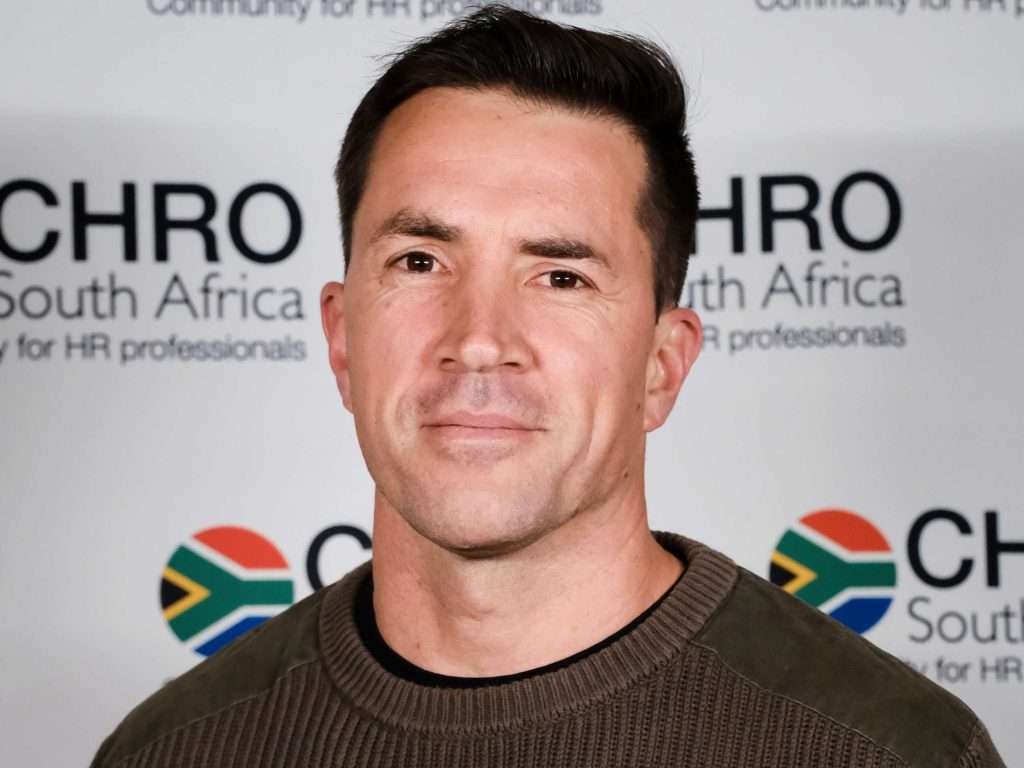
Heinrich Swanepoel, the head of business development at Deel Local Payroll, explains why fixing payroll is essential for organisational efficiency and employee trust, how fragmented systems create challenges for HR teams and why a unified system can transform HR operations at scale.
“We believe that if you fix payroll, you fix everything. Payroll touches every single person in the organisation every month, and more often than not, it’s the weakest link. Every time you ask an HR person and then a finance person, the headcount seems different. That’s a struggle many organisations face. But if you take care of your foundation, if you fix payroll, you don’t just fix the back office – you fix trust and the employee experience at scale.”
The constant juggling between different systems – one for onboarding, another for leave and another for payroll is a pain point for most HR leaders. Heinrich says they address that by creating a seamless connection across every touchpoint in the employee lifecycle.
“There’s a phrase we use: one version of the truth, so everything feeds into a single source of truth. You always get the same answer, no matter where the question comes from. By automating the laborious tasks, we give HR teams control and one employee record for life.”
Hidden power of payroll
For CHROs, the question often comes down to the value of a unified payroll system. Heinrich says it’s not only about time saved, but also the trust and confidence that accurate systems create.
“It’s hard to quantify time, but our customers consistently tell us we’re putting more time back in their pockets. They get accurate information when they need it, and employees gain confidence in what they’re seeing. Everything becomes transparent with no hidden truths or confusion. That sense of confidence becomes even more important as companies grow and expand internationally.”
“For CHROs operating in multi-branch or multi-country environments, a single source of truth is essential. Our mission has always been to provide a global system and multi-tenant setup that ensures compliance wherever you operate. Today, we’re in 42 countries, including across Africa, the UK and Brazil, and we’re growing fast.”
With such reach, Heinrich explains how they help organisations avoid one of the most common pitfalls: being reactive rather than proactive. “When systems are outdated or poorly integrated, HR teams often find themselves chasing errors instead of planning ahead. We often find that organisations think it’s only about the software, but the real difference comes from confidence in the system, strong integration and reliable vendor support,” he says. “If your software doesn’t talk to your other tools, or if your provider can’t respond quickly, the entire process breaks down. That’s why our support has a seven-second call waiting time, a 97.5 NPS rating, and a 14-minute average response on tickets.”
Pain to progress
This combination of responsiveness and simplicity has turned challenges into success stories for many clients as Heinrich reflects on several examples that capture the tangible results of a well-functioning payroll foundation. “We helped one company take control of their own payroll processes. They no longer needed on-site vendor support for backups or updates, which saved both time and consulting costs. Another company saw similar results, reducing their admin workloads by several days each month and ensuring data accuracy through seamless integrations.”
These results, he says, show the difference between a system that merely works and one that empowers. “Deel’s approach allows organisations to evolve at their own pace, using what they need today while being ready for tomorrow. Some customers might only use 50 or 60 percent of the system at first, but we’ve designed it to grow with them. It’s one software for life and fully capable of scaling as they mature. Most teams become self-sufficient within two to three months, experiencing real benefits soon after.”
However, while technology is critical, Heinrich believes mindset matters just as much. “Many HR leaders hesitate to change systems because their current ones still work, even if imperfectly.”
He argues that curiosity and openness to new tools can make all the difference. “Don’t be afraid to change the foundation,” he advises. “Technology is moving incredibly fast and being open-minded helps you stay ahead. Focus on the employee experience as it builds culture. Our software is consumption-based, so you can test it with a small group before scaling. You’re not locked in for years like with many legacy systems.”
That spirit of experimentation, he believes, separates organisations that merely adapt from those that truly evolve.
“Don’t be afraid to modernise and replace legacy systems. Just like we all use Uber and Uber Eats because they make life easier, the same ease of use can exist in payroll and HR. That’s what we’re offering – a better experience, greater confidence, and the freedom for HR to focus on what truly matters.”