
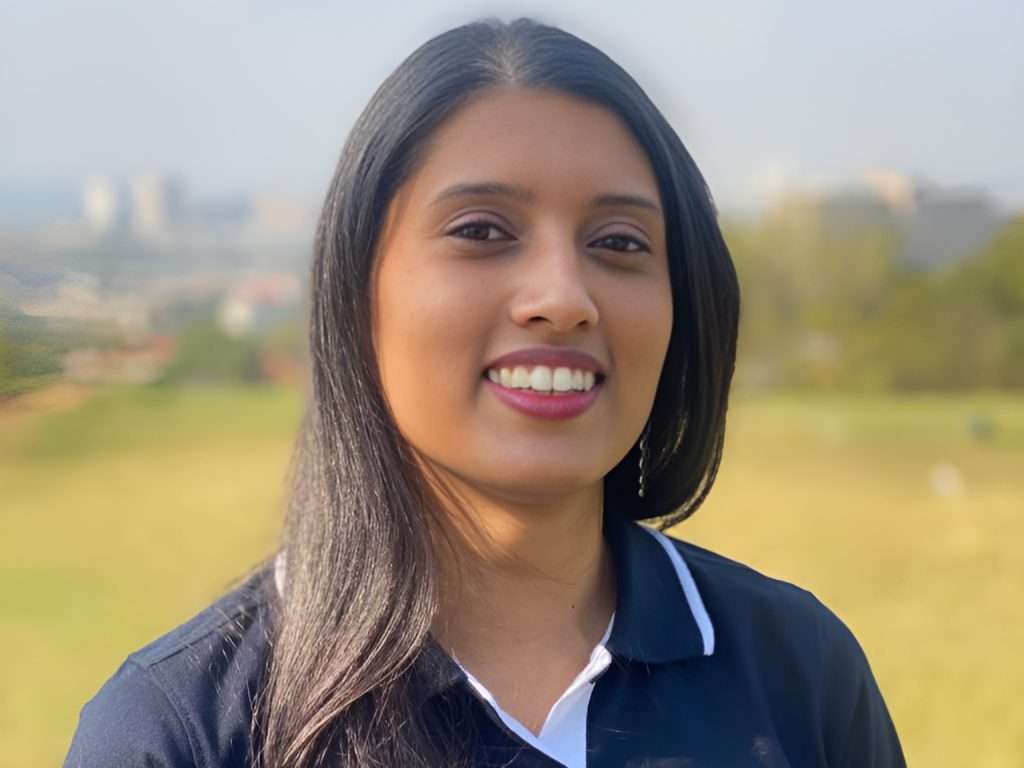
Taegan Devar, an industrial psychologist and the managing director of PeopleSmart, explores why DEIB efforts often fall short. She highlights how organisations can move from just compliance to commitment, and what it takes to embed inclusion at every level.
The disability sector has a powerful saying that encapsulates much of what I believe about diversity, equity, inclusion, and belonging (DEIB): “Nothing about us, without us”.
This phrase comes to mind whenever I hear of yet another racist incident at a school, another marginalised leader whose voice has been diminished, or another conference on inclusion that fails to include diverse speakers. Representation matters. Inclusion matters – not just in words but in meaningful, consistent actions.
DEIB calls for multi-level, structural change across all facets of our lives: schools, workplaces, places of worship and beyond. It’s not enough for schools and businesses to display values of inclusion and equity on its walls. Those values must be embedded in hiring practices and reflected in the composition of leadership and governance.
In the workplace, diversity must be visible and experienced at all levels, not just referenced in monthly newsletters. And a holistic, strategic approach is essential, one that is intentional, implemented and tracked.
Without this, nothing will change. The recently adjusted B-BBEE targets for persons with disabilities (raised from 2 percent to 3 percent across all sectors) illustrate this tension. Organisations aren’t meeting the current goal, so how will they rise to new ones?
Moving beyond compliance
Most organisations today have some form of DEIB initiative. Too often, though, these efforts are driven by compliance rather than commitment. The first step in creating meaningful change is to understand the lived experience of diverse employees within the organisation.
In Inclusion on Purpose (2022), Ruchika Tulshyan offers powerful questions that leaders (or in contexts where people feel unsafe by an outside party), can ask to create this understanding, and to begin developing an “inclusion mindset”.
- Do you feel like you belong here? Why or why not?
- Was there a time when I made you feel included? What did I do to foster that?
- Was there a time when I could have done more to make you feel included? How?
- How can I create a more inclusive environment in this team?
- What would you like to see me commit to in order to create a more inclusive team environment?
Listening to the feedback is only the first step. Action must follow. For example, if women of colour report not being heard in meetings, leaders must actively create space for their voices to be prioritised. Often, the answers are already in the room. Leaders who are brave enough to ask the right questions may discover that small changes can lead to profound impact.
Working at multiple levels for lasting change
Too often, organisations wait for a crisis before acting. The usual response: call in a DEIB consultant (who may or may not be the right fit) or shift the blame to HR for a lack of process or policy. But a true commitment to DEIB requires shared responsibility from leadership down to every team and department. It requires a clear strategy, led from the top, championed at all levels, and consistently tracked throughout the year. As part of any DEIB strategy, organisations must work on multiple levels. This includes:
- Raising awareness by creating opportunities to hear the perspective and story of the other: I often meet South Africans who say they didn’t realise something was offensive, weren’t aware of a particular disability, or were simply afraid to ask. Creating safe spaces for conversations builds empathy and connection and challenges our biases. When convening these conversations, we so often hear that people didn’t realise how many similarities they share, until they heard their colleague’s perspective.
- Modelling for others what inclusion looks like in daily practice: This includes things such as privileging previously marginalised voices in meetings, mentoring young people, using your platform to champion a person of disability or women. When leaders model these behaviours, it signals that inclusion is a real priority.
- Capacitating employees to have tough and uncomfortable conversations: Many small incidents escalate simply because people don’t know how to engage across differences. This can look like supporting and learning about a young person as they are onboarded, acknowledging and learning about different cultures and practices, expressing that you would like to find out more about a person’s background and get to know them better, knowing your team members and their challenges so that you can support them better (e.g. in the case of persons with disabilities that are not visible). How can we create spaces where the other story is heard, where we can have our own biases and assumptions challenged, and work together to find solutions?
- Exploring what structural changes need to take place in your organisation: Examine your data – really examine it. You may have representation, but only in one department or at one level. You may have beautiful values on the wall, but these are not evident in your culture. You may have many persons of disability but no accessible spaces for them. If this is the case, look at small ways in which to actively change this. Set targets and engage with organisations and professionals who have achieved this and learn from their journey.
The more organisations embed DEIB at every level, the more they unlock innovation, trust, engagement, creativity and growth. An inclusive culture doesn’t just make business sense – it’s fundamentally about valuing people.
DEIB empowers individuals and enables organisations to benefit from the full spectrum of human talent and experience. It’s not just about what employees know or who they know – it’s about who they are.