
A new year often means a new start and a new way of doing things. This is as applicable in the C-suite as it is within the rest of the organisation. And, while CHROs often consider EAPs and wellness programmes for their teams and the wider organisation, executive health is also an important focus area.
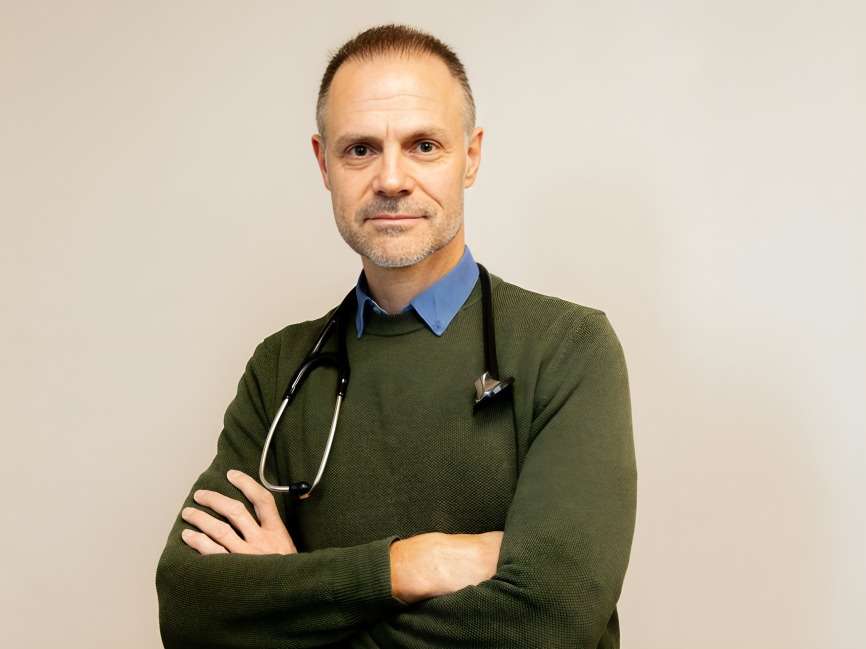
As healthy lifestyle awareness month approaches, CHRO South Africa spoke with Dr David Adler, co-founder and director of Infinity Medical Concierge and specialist physician at Mediclinic Sandton to find out how to keep executive health top of mind during periods of massive change and ever-increasing workloads.
What are the basic preventative checks that every executive should get done as a routine part of their overall health?
Preventative checks are vital for executives who face high-pressure environments daily. Routine health assessments ensure early detection and prevention of serious conditions. In addition to the core preventative checks every executive should consider, like cardiovascular and cancer screenings; lifestyle and body assessment, another important check is neurocognitive function tests. These detect and diagnose Alzheimer’s, dementia and Parkinson’s disease by assessing various aspects of cognitive function, including memory, attention, executive function and motor skills.
Stress, alcohol, smoking, sleep issues, burnout, weight issues and poor exercise are the usual lifestyle suspects. Are there other culprits that are not as obvious?
Busy on-the-go executives may also overlook some less obvious factors such as dehydration, poor posture and musculoskeletal issues, not taking in essential nutrients and digital overload. All of these can affect cognitive performance.
What are the more common excuses executives use as reasons to put their health on the back burner? And how does one foster a healthier culture to try and prevent this?
Common excuses include things like not having time, feeling fine, putting work first, being too busy and getting to it “later”. Executives can help themselves and their teams by starting their own health journey, and normalising discussions around healthcare by prioritising self-care and integrating wellness into the corporate structure. Executives should lead by example, and consider flexible scheduling for health checks.
How do you think corporates could go about going beyond just an annual medical check-up for their executives?
Annual medical check-ups are valuable for busy executives, but they represent only a snapshot in time. Executives can benefit from personalised health and fitness planning and mental wellness support as part of ongoing wellness programmes and executive-focused concierge medical services, which ensure that these leaders have access to immediate, high-quality care any time they need it, whether locally or when travelling.
Why do you believe health is the most overlooked factor when it comes to the performance of executive leaders?
Health is often overlooked because executives are conditioned to prioritise business outcomes over personal wellbeing. However, neglecting health undermines their ability to lead effectively, potentially resulting in chronic stress and untreated health issues. On the other hand, healthy executives are high-performing executives – maintaining good health enables sustained focus, better emotional regulation and stronger leadership.